The Chihuahua: A Pocket-Sized Powerhouse of History and Charm
From the ancient lands of Mexico to the laps of modern-day enthusiasts, the Chihuahua stands as a testament to canine resilience and captivating personality. Often recognized for its diminutive size, this breed harbors a rich history, a complex biology, and a profound impact on human culture. As a zoologist who has ventured into the realm of popular science writing, it is a delight to unravel the fascinating world of the Chihuahua, a creature far more intricate than its small stature might suggest.

Unearthing Ancient Roots: The Chihuahua’s Evolutionary Journey
The story of the Chihuahua is deeply intertwined with the history of Mesoamerica. While the exact lineage remains a subject of ongoing scientific inquiry, prevailing theories suggest a direct link to an ancient breed known as the Techichi. These small, mute dogs were revered by pre-Columbian civilizations, including the Toltec and Aztec peoples, as far back as the 9th century AD.
Archaeological evidence, including ancient carvings and pottery depicting small dogs, supports the presence of Techichi in what is now Mexico. These early canids were believed to have spiritual significance, often buried with their owners to guide them through the afterlife. Over centuries, through natural selection and likely some degree of early human influence, these dogs evolved. The modern Chihuahua, as we know it, is thought to have emerged in the state of Chihuahua, Mexico, in the mid-19th century, hence its name. Genetic studies indicate a complex ancestry, potentially involving European small dogs brought by conquistadors, which may have contributed to the breed’s current diversity in size and coat types.

Physical Marvels: Anatomy of a Tiny Titan
Despite their small size, Chihuahuas possess a robust and distinctive physical structure. They typically weigh between 2 to 6 pounds (0.9 to 2.7 kg) and stand about 6 to 9 inches (15 to 23 cm) tall at the shoulder. Key physical characteristics include:
- Head: Often described as “apple-domed,” a rounded skull is a hallmark of the breed. Some Chihuahuas exhibit a “deer head” shape, which is less rounded.
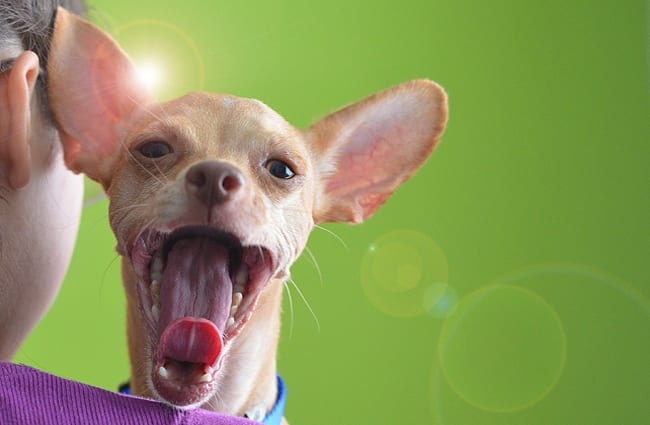
- Ears: Large, erect, and expressive, often flaring out to the sides when alert.
- Eyes: Large, round, and dark, giving them an intelligent and often soulful expression.
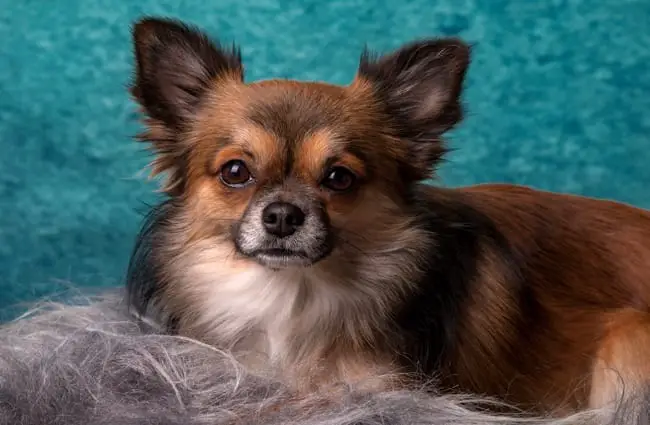
- Coat: Chihuahuas come in two primary coat varieties:
- Smooth Coat: Short, soft, and close-lying.
- Long Coat: Soft, slightly wavy or flat, with feathering on the ears, legs, and tail.
Both coat types come in an astonishing array of colors and patterns, including solid black, white, fawn, chocolate, cream, and various combinations like brindle or merle.
- Tail: Carried high, often curved over the back, or in a sickle shape.
- Fontanel: Many Chihuahua puppies are born with a “molera,” a soft spot on the top of their skull similar to a human baby’s fontanel. While it often closes with age, some adults retain a small one. This requires careful handling.

Temperament and Behavior: A Big Personality in a Small Package
Chihuahuas are renowned for their vibrant and often larger-than-life personalities. They are intelligent, alert, and fiercely loyal to their chosen human companions. Their temperament can be described as:
- Loyal and Affectionate: They form strong bonds with their owners and thrive on companionship, often preferring to be close to their people.
- Brave and Confident: Despite their size, Chihuahuas often possess a fearless demeanor, sometimes challenging much larger dogs or perceived threats. This can lead to what is colloquially known as “small dog syndrome” if not properly socialized.
- Alert and Watchful: Their keen senses and vocal nature make them excellent, albeit sometimes enthusiastic, watchdogs.
- Intelligent and Trainable: Chihuahuas are smart and can learn commands and tricks readily. However, their strong will means consistency and positive reinforcement are key to successful training.
- Can be Reserved with Strangers: Without proper socialization from a young age, Chihuahuas can be wary or even snappy towards unfamiliar people or animals. Early exposure to various sights, sounds, and experiences is crucial.
Habitat and Lifestyle: The Domestic Domain
It is crucial for any aspiring zoologist or animal lover to understand that the Chihuahua is a fully domesticated animal. Unlike wild canids, Chihuahuas do not possess a natural “wild habitat” in the traditional sense. Their habitat is overwhelmingly within human homes and environments. They are not found roaming free in natural ecosystems as a wild species.
Their small size makes them particularly well-suited for apartment living or homes with limited space. However, their preference for warmth means they are not well-adapted to extreme cold. They often seek out sunny spots, blankets, or even burrow under covers to maintain their body temperature. While they enjoy outdoor excursions, they are primarily indoor companions. When outdoors, they require supervision and protection from larger animals and harsh weather conditions.
For the animal lover hoping to find a Chihuahua in the wild: This is a misunderstanding of the breed. If you encounter a Chihuahua outdoors without human supervision, it is almost certainly a lost or abandoned pet. Such an animal would be vulnerable and in need of assistance, not a subject for observation in a natural ecosystem.
Diet and Nutritional Needs: Fueling a Tiny Engine
As omnivores, Chihuahuas thrive on a balanced diet primarily composed of high-quality commercial dog food formulated for small breeds. Their specific dietary needs are influenced by their size and metabolism:
- Portion Control: Due to their small stomachs and propensity for weight gain, precise portion control is vital. Overfeeding can quickly lead to obesity, which exacerbates common breed health issues.
- High-Quality Ingredients: Look for foods with real meat as the first ingredient, avoiding excessive fillers or artificial additives.
- Dental Health: Small breeds are prone to dental problems. Crunchy kibble can help, but regular dental cleanings and dental chews are often necessary.
- Frequency: Adult Chihuahuas typically do well with two meals a day. Puppies require more frequent, smaller meals.
- Avoidances: Certain human foods are toxic to dogs, including chocolate, grapes, raisins, onions, garlic, and xylitol. Bones, especially cooked ones, can splinter and cause internal damage.

Mating and Reproduction: The Delicate Cycle of Life
Chihuahua reproduction requires careful consideration due to the breed’s small size. Sexual maturity typically occurs between 6 to 12 months of age, though responsible breeders usually wait until dogs are fully mature, around 18 months to 2 years, before breeding.
- Estrus Cycle: Females typically come into heat (estrus) twice a year, lasting about 2 to 3 weeks.
- Gestation: The gestation period is approximately 63 days.
- Litter Size: Chihuahuas typically have small litters, often 1 to 3 puppies, though larger litters can occur.
- Birthing Challenges: Due to the relatively large head size of puppies compared to the mother’s small pelvic canal, Chihuahuas are prone to birthing difficulties (dystocia). Cesarean sections are common and often planned in advance to ensure the safety of both mother and puppies.
- Puppy Care: Newborn Chihuahua puppies are incredibly tiny and vulnerable, requiring constant warmth and careful monitoring. The mother’s milk provides essential antibodies, and puppies are typically weaned around 4 to 6 weeks of age.
Ecosystem Contribution and Interactions with Other Animals
Given their domesticated status, Chihuahuas do not play a direct role in wild ecosystems. They are not apex predators, prey animals, or significant contributors to nutrient cycling in natural environments. Their primary “ecosystem” is the human household and community.
- Interaction with Other Domestic Animals: Chihuahuas can coexist peacefully with other dogs and even cats, especially if socialized from a young age. However, their bold nature can sometimes lead them to challenge larger animals, necessitating careful supervision to prevent injury.
- Interaction with Urban Wildlife: In urban or suburban settings, a Chihuahua might encounter squirrels, birds, or other small wildlife. Their instinct might be to chase, but their small size makes them more vulnerable than a threat to most wild animals.
- Indirect Impact: As pets, their waste contributes to local waste management systems, and their food consumption is part of the agricultural supply chain. However, these are indirect impacts mediated by human activity.

Chihuahuas and Human Culture: More Than Just a Pet
The Chihuahua’s contribution to human culture is surprisingly vast and varied:
- Historical Significance: As descendants of the Techichi, they hold a place in the ancient spiritual and cultural practices of Mesoamerican civilizations.
- Companionship: Their primary role today is that of a beloved companion animal. Their loyalty, affection, and portable size make them ideal pets for many lifestyles.
- Pop Culture Icon: Chihuahuas have achieved significant celebrity status, appearing in films, television shows, and advertisements. Their distinctive look and feisty personality make them memorable characters. Think of the Taco Bell dog or Bruiser Woods from “Legally Blonde.”
- Fashion Accessory: For a period, Chihuahuas were popularized as “purse dogs,” carried by celebrities, which unfortunately sometimes led to them being treated more as accessories than living beings.
- Therapy Dogs: Despite their sometimes-feisty reputation, well-socialized Chihuahuas can make excellent therapy dogs, providing comfort and joy to people in hospitals and nursing homes.
Practical Guidance: Living with and Caring for Chihuahuas
Caring for a Chihuahua, whether as a pet owner or a zookeeper, requires specific knowledge and attention to detail.
For the Zookeeper: Optimal Captive Care
While Chihuahuas are rarely found in zoos, should one require captive care, the following tasks and considerations are paramount:
- Environmental Enrichment: Provide a warm, secure enclosure with soft bedding, small toys suitable for their size, and opportunities for mental stimulation through puzzle feeders or interactive play.
- Temperature Regulation: Maintain a consistent ambient temperature, as Chihuahuas are highly susceptible to cold. Provide blankets or heated beds.
- Dietary Management: Strict portion control of high-quality small-breed dog food. Monitor weight closely. Regular dental checks and cleanings are essential to prevent periodontal disease.
- Exercise: Daily short walks and indoor play are sufficient. Avoid strenuous exercise or long periods outdoors in extreme weather.
- Grooming: Smooth-coated Chihuahuas require minimal grooming, while long-coated varieties need regular brushing to prevent mats. Nail trims and ear cleaning are also necessary.
- Socialization: If housed with other compatible small animals, ensure proper introductions and supervision. Provide positive human interaction daily.
- Health Monitoring: Be vigilant for breed-specific health issues:
- Patellar Luxation: Kneecap dislocation.
- Hydrocephalus: Fluid on the brain, especially in puppies with moleras.
- Collapsed Trachea: A common respiratory issue in small breeds.
- Hypoglycemia: Low blood sugar, particularly in puppies.
- Heart Conditions: Mitral valve disease.
- Dental Disease: Very common due to small mouths.
Regular veterinary check-ups are non-negotiable.
- Avoidances:
- Extreme temperatures, both hot and cold.
- Rough handling or play that could lead to injury.
- Isolation or lack of mental stimulation.
- Overfeeding or providing inappropriate human foods.
- Neglecting dental hygiene.
For the Hiker: Encountering a Chihuahua in the “Wild”
As established, Chihuahuas are not wild animals. If you encounter a Chihuahua alone in a natural setting or any public space, it is a lost or abandoned pet. Here is what to do:
- Approach with Caution: A lost dog may be scared, injured, or defensive. Approach slowly, speak softly, and avoid direct eye contact initially. Offer a treat if you have one.
- Check for Identification: Look for a collar with tags, which may include owner contact information or a microchip tag.
- Secure the Animal: If safe to do so, gently secure the Chihuahua. Their small size makes them vulnerable to traffic, predators, or getting lost further.
- Contact Authorities: Immediately contact local animal control, a humane society, or a veterinary clinic. They can scan for a microchip and help locate the owner. Do not assume the dog is feral or wild.
- Provide Temporary Care: If you must temporarily care for the dog, provide warmth, fresh water, and a small amount of appropriate dog food. Keep it separate from your own pets until its health status is known.

Fascinating Facts About Chihuahuas
- The Chihuahua is the smallest dog breed in the world.
- They are known for their “apple head” and “deer head” variations.
- Many Chihuahua puppies are born with a molera, a soft spot on their skull.
- They can shiver not only from cold but also from excitement, fear, or stress.
- Chihuahuas have a surprisingly long lifespan, often living 12 to 20 years.
- Despite their size, they are often excellent watchdogs due to their alert nature and vocal tendencies.
- They are highly intelligent and can be trained for various dog sports, including agility.
- Chihuahuas often bond strongly with one person, becoming intensely loyal and protective.
- Their ancient ancestors, the Techichi, were considered sacred by the Toltec and Aztec civilizations.
- They are adaptable to various living situations, from large homes to small apartments, as long as their needs for warmth and companionship are met.
Conclusion: A Legacy of Loyalty and Life
The Chihuahua, a breed steeped in history and brimming with personality, offers a captivating subject for study and companionship. From its enigmatic origins in ancient Mexico to its status as a global icon, this tiny dog has left an indelible paw print on human hearts and culture. Understanding their unique biology, behavioral traits, and specific care requirements allows us to appreciate these small canids not just as pets, but as living historical artifacts and vibrant members of our extended families. Whether you are a student researching canine evolution, an aspiring zoologist, or simply an admirer of the animal kingdom, the Chihuahua stands as a remarkable example of nature’s diversity and the enduring bond between humans and their canine companions.




![Closeup of a beautiful Red Angus cowPhoto by: U.S. Department of Agriculture [pubic domain]https://creativecommons.org/licenses/by/2.0/](https://animals.net/wp-content/uploads/2020/03/Red-Angus-4-100x75.jpg "Red Angus")