
The Bluetick Coonhound is a breed steeped in American history, renowned for its distinctive mottled coat and unwavering dedication to the hunt. Beyond its working origins, this breed presents a unique blend of traits that make it a captivating companion for the right owner. Understanding these characteristics is crucial before welcoming a Bluetick into your life.
A History Rooted in the American Landscape
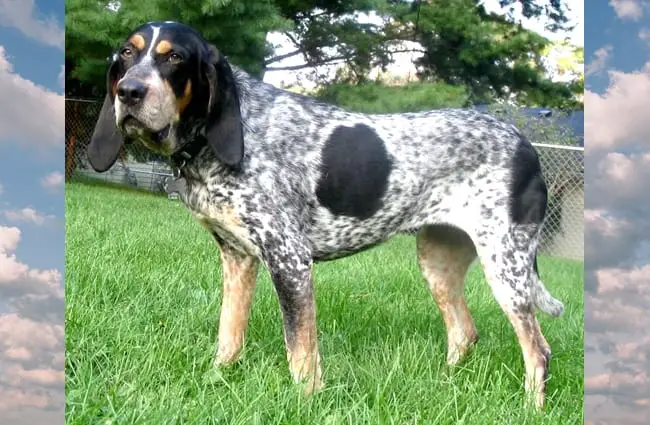
The Bluetick Coonhound’s story begins with the early European settlers who brought their foxhounds and other scent hounds to America. These dogs were crossed with the Black and Tan Virginia Hounds, resulting in a versatile hunting dog capable of tracking raccoon, opossum, and even larger game. The breed’s name comes from the striking “ticking” pattern, small, isolated dark spots on its coat, a trait that became increasingly prominent through selective breeding. Originating primarily in Southern states, the Bluetick quickly established itself as a favorite among raccoon hunters, valued for its speed, endurance, and melodious bay.
Physical Characteristics: A Striking Appearance
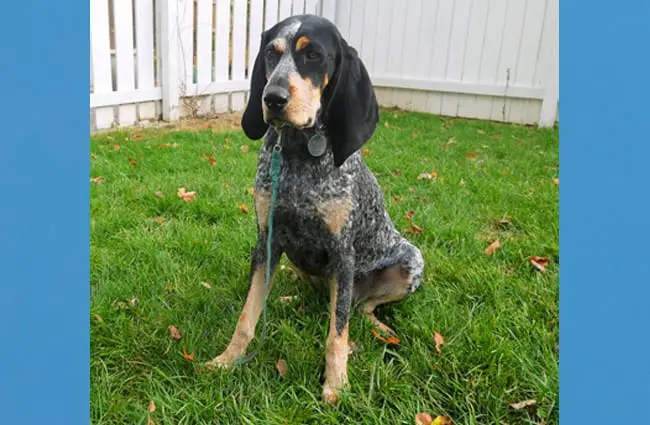
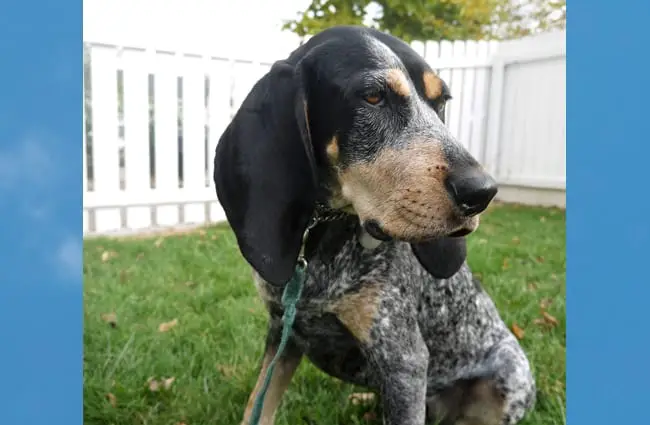
The Bluetick Coonhound is a powerfully built, athletic dog. Males typically stand between 22 and 27 inches tall and weigh 50 to 75 pounds. Females are slightly smaller, ranging from 21 to 25 inches in height and 40 to 60 pounds in weight. The most defining characteristic is the coat. It’s short, dense, and typically a combination of white with black or dark grey ticking. Some dogs may display a solid color on the head and ears. Their eyes are typically brown, though variations occur, and they possess long, floppy ears that contribute to their expressive appearance.
Temperament and Behavioral Traits
Blueticks are known for their amiable and often goofy personalities. They’re typically friendly towards people, though they can be reserved with strangers initially. Their hunting background means they possess a strong prey drive and an independent streak. This isn’t to say they’re difficult to train, but rather that consistency and positive reinforcement are essential. Early socialization is absolutely vital, exposing the puppy to a variety of sights, sounds, people, and other animals. They thrive on companionship and can become destructive or vocal if left alone for extended periods. A bored Bluetick is a mischievous Bluetick.
The Bay: A Signature Sound
One of the most distinctive features of the Bluetick Coonhound is its unique “bay”, a drawn-out, melodious howl used to signal its location and the presence of game. While charming to some, it’s important to consider this vocalization before bringing a Bluetick into a suburban or apartment setting. The bay is ingrained in their nature and very difficult to suppress, so potential owners need to be prepared for a vocal companion.
Care Requirements: Keeping Your Bluetick Happy and Healthy
Blueticks are relatively low maintenance in terms of grooming. Their short coat requires only occasional brushing to remove loose hair. However, their ears require regular cleaning to prevent infections, a common issue due to their long, floppy shape. Diet is crucial; a high quality dog food formulated for large breeds is recommended. Exercise is paramount. These dogs were bred to run for miles, so daily long walks, hikes, or a securely fenced yard where they can roam are essential. Without sufficient exercise, they can become restless and destructive.
Exercise Needs in Detail
Think of a Bluetick’s exercise needs as a minimum of 60 to 90 minutes of vigorous activity per day. This could include brisk walking, jogging, running, hiking, or playing fetch. Puzzle toys and interactive games are also excellent for mental stimulation, preventing boredom and channeling their intelligence. Allowing them opportunities to use their nose for scent work and tracking is particularly rewarding for this scent hound.
Health Considerations
Like all breeds, Bluetick Coonhounds are prone to certain health issues. Hip dysplasia is a common concern, so responsible breeders will screen their dogs for this condition. Progressive Retinal Atrophy (PRA) and cataracts are also potential eye problems. Bloat, a life threatening condition affecting deep chested breeds, is a risk. Regular veterinary checkups, a healthy diet, and maintaining a lean body condition can help mitigate these risks. Ear infections, due to their ear shape, require prompt attention.
Is a Bluetick Coonhound Right for You?
The Bluetick Coonhound is a wonderful breed, but it’s not for everyone. They thrive in active households with owners who can provide plenty of exercise, mental stimulation, and patient training. They do best in homes with securely fenced yards and are not well suited to apartment living. Their strong prey drive requires careful management around smaller animals. If you’re looking for a devoted, energetic, and often comical companion, and you’re prepared to meet their unique needs, the Bluetick Coonhound could be the perfect breed for you. However, honest self assessment is crucial to ensure a harmonious match.
Advanced Considerations for Serious Owners
For those considering engaging in scent work or tracking activities with their Bluetick, understanding the nuances of canine olfaction is essential. These dogs possess an extraordinary sense of smell, but unlocking their potential requires specialized training techniques. Furthermore, understanding the breed’s historical drive to “tree” game can be channeled constructively into competitive tracking or trailing events. Responsible breeding practices are also crucial; seeking out breeders who prioritize health, temperament, and conformation ensures a healthier and more well adjusted companion.



![Closeup of a beautiful Red Angus cowPhoto by: U.S. Department of Agriculture [pubic domain]https://creativecommons.org/licenses/by/2.0/](https://animals.net/wp-content/uploads/2020/03/Red-Angus-4-100x75.jpg "Red Angus")