The Weasel: A Master of Stealth and Survival
Among the most captivating creatures of the wild, the weasel stands out as a symbol of agility, ferocity, and cunning. These small, slender carnivores, part of the Mustelidae family, are found across diverse landscapes worldwide, embodying a remarkable blend of adaptability and predatory prowess. Often misunderstood, the weasel’s true nature reveals a complex and vital role within its ecosystem, a story far richer than its diminutive size might suggest.
From their lightning-fast movements to their specialized hunting techniques, weasels offer a fascinating glimpse into the intricate dance of life in the natural world. This comprehensive guide delves into the captivating existence of these remarkable mammals, exploring their biology, behavior, ecological significance, and interactions with both the environment and humanity.

Unveiling the Weasel: Basic Biology and Identification
Weasels are small, carnivorous mammals characterized by their long, slender bodies, short legs, and small heads. While the term “weasel” often refers to the smallest species, such as the least weasel (Mustela nivalis), it also encompasses a broader group within the genus Mustela, including stoats (ermine) and long-tailed weasels. These creatures are built for pursuit, their lithe forms allowing them to navigate tight spaces and follow prey into burrows.
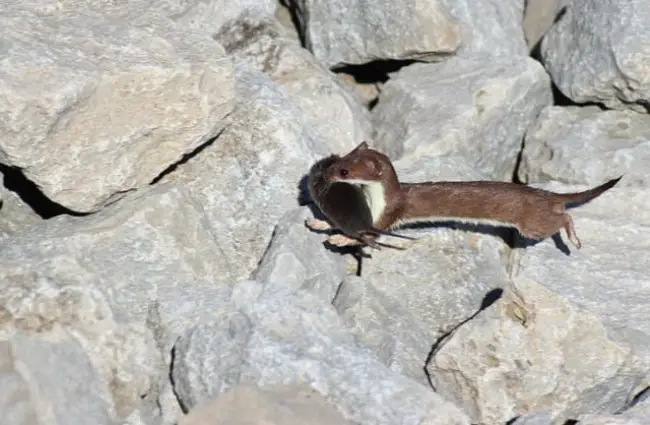
- Size and Appearance: Weasels vary in size depending on the species, but generally range from 6 to 18 inches in length, including their tails. Their fur is typically brown on the back and white or yellowish on the belly, providing excellent camouflage in their natural habitats. Some species, like the stoat, undergo a seasonal molt, turning entirely white in winter in northern regions, a phenomenon known as ermine.
- Distinguishing Features: A key identifier for many weasel species is their tail. The least weasel has a short tail without a black tip, while the stoat (or short-tailed weasel) possesses a longer tail with a distinctive black tip, regardless of its seasonal fur color. Long-tailed weasels have even longer tails, also with a black tip.
Habitat and Distribution: Where to Find These Elusive Hunters
Weasels are incredibly widespread, inhabiting a vast array of environments across North America, Europe, Asia, and parts of North Africa. Their adaptability allows them to thrive in diverse ecosystems, from open grasslands and agricultural fields to dense forests, mountainous regions, and even suburban areas. They are often found near water sources, which provide both prey and cover.
- Preferred Environments: Weasels favor areas with ample cover, such as dense vegetation, rock piles, fallen logs, and abandoned burrows of other animals. This cover is essential for hunting, evading predators, and establishing dens. They are not typically found in arid deserts or extremely cold polar regions, though some species are well-adapted to snowy climates.
- Finding Weasels in the Wild: Spotting a weasel can be challenging due to their small size, speed, and secretive nature. However, certain signs can indicate their presence:
- Tracks: Look for small, paired tracks in mud or snow, often in a bounding pattern.
- Scat: Their droppings are typically thin, twisted, and contain fur or bone fragments.
- Sounds: Weasels are generally quiet, but may emit chirps, trills, or hisses, especially when alarmed or interacting.
- Observation Tips: The best times to observe weasels are at dawn or dusk when they are most active. Patience is key. Focus on areas with high rodent populations, dense undergrowth, or stone walls. Remain still and quiet, and use binoculars for a better view.

Diet and Hunting Strategies: Apex Predators in Miniature
Despite their small stature, weasels are formidable predators with an insatiable appetite. Their diet consists almost exclusively of meat, making them obligate carnivores. They possess a high metabolism, requiring them to hunt frequently and consume a significant portion of their body weight daily.
- Primary Prey: Weasels primarily target small mammals, particularly rodents like mice, voles, and shrews. They are also adept at hunting rabbits, pikas, and even young birds and their eggs. Some larger weasel species may occasionally take on larger prey, such as young hares or ground squirrels.
- Hunting Techniques: Weasels are renowned for their relentless and efficient hunting style.
- Pursuit Hunters: Their slender bodies allow them to pursue prey directly into their burrows, leaving no escape.
- Neck Bite: They typically dispatch prey with a swift, precise bite to the back of the neck or base of the skull, severing the spinal cord or crushing the brain.
- Caching: Weasels often kill more than they can eat in a single sitting, caching excess food in their dens or other hidden spots for later consumption, especially during periods of abundance or before winter.

Evolutionary Journey: A Lineage of Lithe Hunters
The evolutionary history of weasels, and the Mustelidae family as a whole, traces back millions of years. These agile carnivores are believed to have originated in Eurasia, with fossil records indicating their presence as far back as the Oligocene epoch, approximately 30 million years ago. Their success can be attributed to their highly specialized body plan, which has remained largely unchanged over millennia, a testament to its effectiveness for a predatory lifestyle.
- Adaptations for Survival: The characteristic long, slender body and short legs are not merely aesthetic; they are crucial adaptations for navigating dense undergrowth, squeezing into narrow crevices, and pursuing prey into their subterranean tunnels. This body shape, combined with powerful jaws and sharp teeth, has allowed weasels to exploit a niche as efficient small-mammal predators.
- Diversification: Over time, various weasel species diversified, adapting to specific local conditions and prey availability. This led to the range of sizes and subtle morphological differences observed today, from the tiny least weasel to the slightly larger long-tailed weasel and stoat, each a finely tuned predator in its own right.
Social Structure and Behavior: Solitary Lives of Stealth
Weasels are largely solitary animals, preferring to live and hunt alone. Their social interactions are typically limited to mating and the raising of young. Each weasel maintains a territory, which it defends against rivals, primarily through scent marking.
- Territoriality: Weasels mark their territories using scent glands located near their anus, leaving olfactory signals that communicate their presence and reproductive status to other weasels. The size of a territory varies depending on the availability of food and the density of the weasel population.
- Communication: While not highly vocal, weasels do communicate through a range of sounds, including chirps, trills, hisses, and screeches, especially during aggressive encounters or when kits are calling for their mother. Body language, such as arching the back or fluffing the tail, also plays a role in their interactions.
- Activity Patterns: Weasels can be active at any time of day or night, but they often exhibit crepuscular or nocturnal tendencies, particularly in areas with high human activity or during warmer months. Their high metabolism necessitates frequent hunting, making them seem perpetually busy.

Reproduction and Life Cycle: A Swift Generation
Weasel reproduction is a fascinating process, characterized by specific mating rituals and rapid development of the young. The timing and details can vary slightly between species, but a general pattern emerges.
- Mating Season: Mating typically occurs in late spring or early summer. Males will seek out females, and courtship can involve a degree of chasing and playful interaction.
- Gestation and Delayed Implantation: Many weasel species exhibit delayed implantation, a remarkable reproductive strategy where the fertilized eggs do not immediately implant in the uterine wall. Instead, they remain dormant for several months. This allows the actual embryonic development to occur at a time when environmental conditions are most favorable for raising young, usually in the spring. The active gestation period after implantation is relatively short, around 30 days.
- Kits and Parental Care: A litter typically consists of 4 to 9 kits, born blind, deaf, and helpless in a den lined with grass and fur. The mother weasel is solely responsible for their care, nursing them and bringing them solid food as they grow. Kits develop rapidly, opening their eyes and ears within a few weeks. They are weaned and begin to hunt with their mother around 6 to 8 weeks of age, becoming independent shortly thereafter.
- Lifespan: In the wild, weasels typically live for 1 to 2 years, though some individuals may survive up to 5 years. In captivity, with proper care, their lifespan can extend significantly.
Ecological Role: Keystone Predators of Small Mammals
Weasels play a crucial role in maintaining the health and balance of their ecosystems. As efficient predators of small mammals, they exert significant control over rodent populations, preventing overgrazing and the spread of diseases that rodents can carry.
- Pest Control: Their voracious appetite for rodents makes them natural pest controllers in agricultural areas, where they help protect crops from damage. This natural service is often overlooked but is vital for ecological stability.
- Food Chain Dynamics: Weasels themselves serve as a food source for larger predators, including birds of prey (hawks, owls), foxes, and larger mustelids. Their presence contributes to the intricate web of life, influencing the populations of both their prey and their own predators.
- Indicator Species: A healthy weasel population can often indicate a healthy ecosystem with a robust prey base. Declines in weasel numbers can signal broader environmental issues, such as habitat loss or pesticide use affecting their food supply.
Interaction with Humans: From Folklore to Conservation
Human interactions with weasels are complex, ranging from ancient folklore to modern conservation efforts. Historically, weasels have often been viewed with a mix of awe, suspicion, and sometimes disdain.
- Cultural Significance: In various cultures, weasels have been depicted as symbols of stealth, cunning, and sometimes treachery. In some European traditions, they were associated with witchcraft or bad omens, while in others, they were seen as protectors against rodents. Their winter white fur (ermine) has long been a symbol of royalty and purity.
- Agricultural Impact: Farmers have historically held mixed feelings about weasels. While they are beneficial in controlling rodent pests, they can occasionally prey on poultry, leading to conflict. Education about their primary diet and the benefits they provide is crucial for fostering coexistence.
- Conservation Status: Most weasel species are not currently considered endangered, but local populations can be threatened by habitat loss, fragmentation, and the use of rodenticides, which can secondarily poison weasels that consume affected prey. Conservation efforts focus on preserving their habitats and promoting sustainable land management practices.
Encountering a Weasel in the Wild: What to Do
Spotting a weasel in its natural habitat is a rare and exciting experience. If you are fortunate enough to encounter one, here is how to react responsibly:
- Observe from a Distance: Weasels are wild animals. Maintain a respectful distance to avoid disturbing them. They are generally not aggressive towards humans unless cornered or protecting their young.
- Do Not Approach or Feed: Never attempt to approach, touch, or feed a wild weasel. Feeding wild animals can alter their natural behaviors, make them dependent on humans, and can lead to habituation, which can be dangerous for both the animal and people.
- Enjoy the Moment: Take a moment to appreciate the animal’s agility and natural behavior. If you have binoculars, use them for a closer look without intrusion.
- If a Weasel Appears Aggressive: While rare, if a weasel seems to be acting aggressively (hissing, lunging), it is likely feeling threatened. Slowly back away and give it space. This behavior is usually a defensive display.
Caring for Weasels in Captivity: A Zookeeper’s Guide
Caring for weasels in a captive environment, such as a zoo or rehabilitation center, requires specialized knowledge and dedication to replicate their natural needs as closely as possible.
- Enclosure Design:
- Space: Weasels are highly active and require spacious enclosures that allow for extensive exploration, running, and climbing.
- Security: Enclosures must be escape-proof, with fine mesh and secure locks, given their ability to squeeze through tiny openings.
- Enrichment: Provide a variety of enrichment items such as logs, branches, tunnels, rock piles, and substrate for digging. Hiding spots and multiple den boxes are essential for their comfort and sense of security.
- Substrate: A deep substrate of soil, sand, or wood chips allows for natural digging behaviors.
- Diet:
- Carnivorous Diet: A captive weasel’s diet must mimic its natural carnivorous intake. This typically includes whole prey items like mice, rats, chicks, and quail.
- Variety: Offer a variety of prey to ensure a balanced nutritional intake.
- Frequency: Due to their high metabolism, weasels require frequent feeding, often multiple times a day.
- Health Monitoring:
- Veterinary Care: Regular veterinary check-ups are crucial. Weasels can be susceptible to parasites, dental issues, and respiratory infections.
- Behavioral Observation: Zookeepers must be vigilant in observing changes in appetite, activity levels, coat condition, and behavior, as these can be early indicators of health problems.
- Socialization and Handling:
- Solitary Nature: Remember their solitary nature. Weasels are generally housed individually unless for breeding purposes under strict supervision.
- Minimal Handling: Handling should be minimized and only performed when necessary for veterinary care or enclosure maintenance, as it can be stressful for them.
- Things to Avoid:
- Inadequate Space: Small, barren enclosures lead to stress and abnormal behaviors.
- Improper Diet: Feeding processed foods or an unbalanced diet can lead to severe health issues.
- Lack of Enrichment: Without mental and physical stimulation, weasels can become lethargic or develop stereotypic behaviors.
- Loud Noises and Sudden Movements: These can cause significant stress to a naturally wary animal.
A Huge List of Interesting Weasel Facts
- Weasels are the smallest true carnivores in the world.
- Their scientific name, Mustela, comes from the Latin word for “weasel.”
- A group of weasels is sometimes called a “boogle,” “colony,” “gang,” or “pack.”
- The least weasel can squeeze through an opening as small as a wedding ring.
- Weasels have an incredibly high metabolism, meaning they must eat frequently to survive.
- Some species, like the stoat, change their fur color to white in winter, a process called molting, to camouflage in snow. This white fur is known as ermine.
- Weasels are known for their “weasel war dance,” a series of erratic jumps and twists believed to disorient prey.
- They can kill prey much larger than themselves, including rabbits.
- Weasels are primarily solitary animals, except during the breeding season.
- Female weasels are generally smaller than males, a phenomenon known as sexual dimorphism.
- They use scent marking extensively to communicate and define their territories.
- Weasels have excellent senses of smell and hearing, which they use to locate prey.
- Their dens are often found in abandoned burrows of rodents or rabbits, rock crevices, or hollow logs.
- Weasels can climb trees and are also capable swimmers.
- In some cultures, weasels are considered symbols of good luck, while in others, they are seen as mischievous or even evil.
- The term “weasel word” refers to words used to evade or equivocate, reflecting the animal’s perceived cunning.
- Weasels are vital for controlling rodent populations, acting as natural pest control.
- They can consume up to 40% of their body weight in food each day.
- Many weasel species exhibit delayed implantation, allowing them to time the birth of their young with optimal environmental conditions.
- The average lifespan of a wild weasel is only 1-2 years, but they can live longer in captivity.
Conclusion: The Enduring Legacy of the Weasel
The weasel, in all its varied forms, is a testament to nature’s ingenuity. From its perfectly adapted physique for hunting to its crucial role in maintaining ecological balance, this small carnivore embodies resilience and predatory excellence. Understanding the weasel not only enriches our appreciation for biodiversity but also highlights the interconnectedness of all life within an ecosystem.
Whether you are a student researching their evolutionary path, an animal lover hoping for a glimpse in the wild, or a zookeeper dedicated to their welfare, the weasel offers endless opportunities for learning and wonder. Their story reminds us that even the smallest creatures can hold immense significance, urging us to protect the wild spaces they call home and to appreciate the intricate beauty of the natural world.
![Closeup of a beautiful Red Angus cowPhoto by: U.S. Department of Agriculture [pubic domain]https://creativecommons.org/licenses/by/2.0/](https://animals.net/wp-content/uploads/2020/03/Red-Angus-4-238x178.jpg "Red Angus")

![Curious Black Angus steerPhoto by: U.S. Department of Agriculture [public domain]https://creativecommons.org/licenses/by/2.0/](https://animals.net/wp-content/uploads/2020/03/Black-Angus-4-238x178.jpg "Black Angus")
![A small flock of Merinos in the sunsetPhoto by: Michael Chaberski [public domain]https://creativecommons.org/licenses/by-nd/2.0/](https://animals.net/wp-content/uploads/2020/03/Merino-6-238x178.jpg "Merino Sheep")

![Closeup of a beautiful Red Angus cowPhoto by: U.S. Department of Agriculture [pubic domain]https://creativecommons.org/licenses/by/2.0/](https://animals.net/wp-content/uploads/2020/03/Red-Angus-4-100x75.jpg "Red Angus")