The Ocean’s Master of Disguise: Unveiling the Secrets of the Sole
Beneath the shimmering surface of our oceans lies a creature of remarkable adaptation and subtle beauty: the Sole. Often overlooked for its more flamboyant marine counterparts, this fascinating flatfish embodies an evolutionary success story, a testament to nature’s ingenuity. From its distinctive flattened body to its incredible camouflage abilities, the Sole is far more than just a culinary delight; it is a vital component of marine ecosystems and a subject of endless intrigue for naturalists and scientists alike.
This article delves into the captivating world of the Sole, exploring its life from the sandy seabed to its interactions with humans. Prepare to discover the hidden depths of this extraordinary fish.
Where Do Soles Call Home? Habitat and Distribution
Soles are predominantly bottom-dwelling marine fish, preferring the soft, sandy, or muddy substrates of coastal waters, estuaries, and continental shelves. Their distribution is widespread, with various species inhabiting temperate and tropical seas across the globe. From the European Atlantic to the Indo-Pacific, different Sole species have carved out their niches.
Typically found in relatively shallow waters, ranging from a few meters to several hundred meters deep, their preferred habitat provides ample opportunities for camouflage and foraging. These environments are rich in the small invertebrates that form the bulk of their diet. For the aspiring animal lover hoping to spot a Sole in its natural environment, the best approach involves observing calm, clear coastal waters with sandy or silty bottoms. Patience is key, as their camouflage is exceptionally effective, often requiring a keen eye to distinguish them from the seabed itself.
A Master of Disguise: Sole’s Physical Characteristics
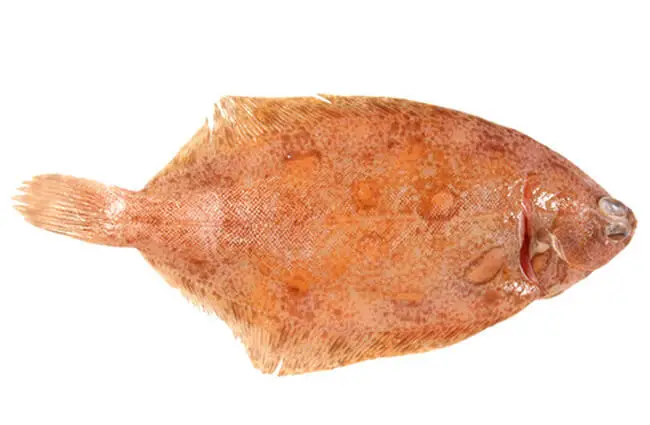
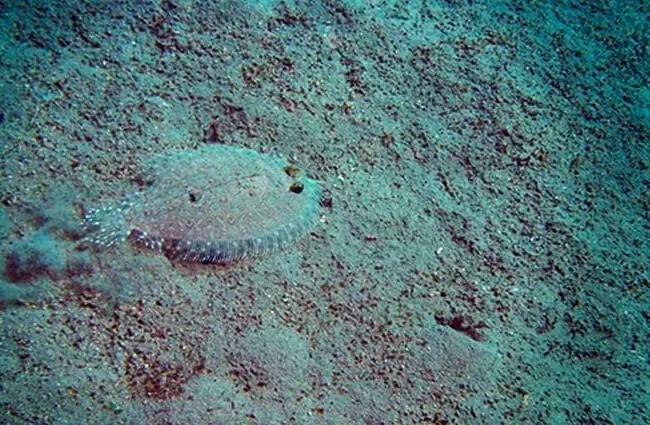
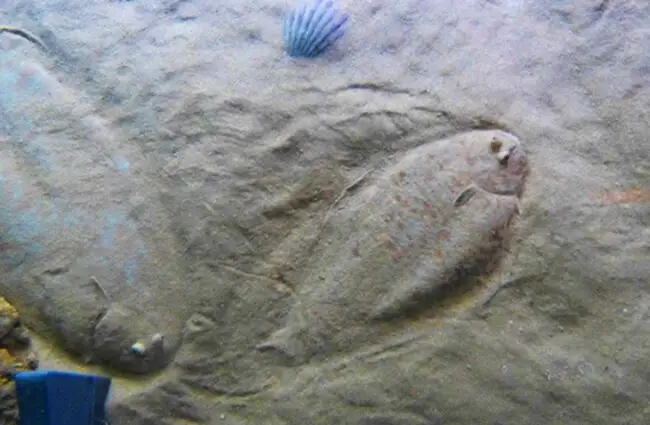
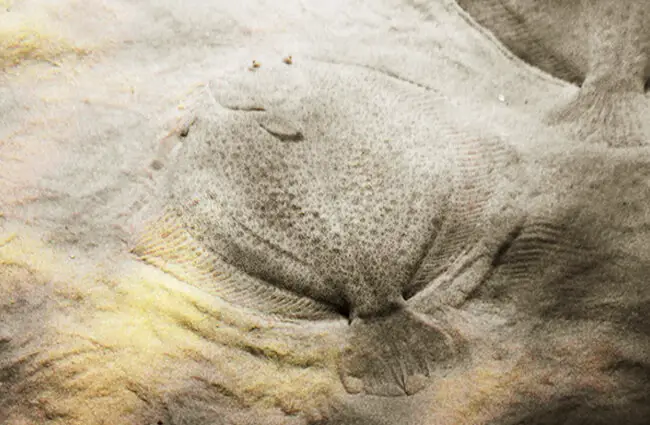
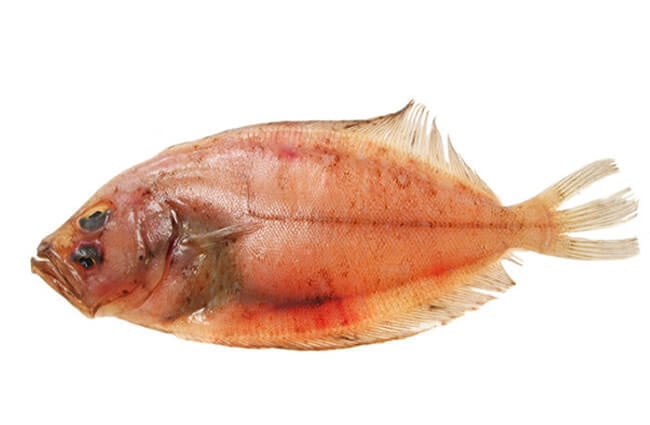
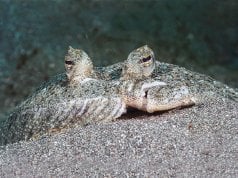
The most striking feature of the Sole is its highly compressed, oval-shaped body, which is flattened laterally. Unlike most fish, both of its eyes are located on one side of its head, a unique adaptation that allows it to lie flat on the seabed while still maintaining a wide field of vision. The upper, eyed side is typically dark and mottled, perfectly blending with the seafloor, while the underside is pale or white. This remarkable camouflage is further enhanced by their ability to change skin coloration to match their immediate surroundings.
Soles possess small mouths, often asymmetrical, suited for their bottom-feeding lifestyle. Their dorsal and anal fins are long and continuous, running almost the entire length of their body, providing subtle propulsion and stability as they glide across the seabed. Size varies significantly between species, with some reaching only a few centimeters in length, while others, like the Common Sole, can grow up to 70 centimeters.
What’s on the Menu? The Sole’s Diet
Soles are opportunistic carnivores, primarily feeding on a variety of small invertebrates found within or on the seabed. Their diet typically consists of:
- Polychaete worms
- Small crustaceans, such as amphipods and copepods
- Mollusks, including small bivalves and gastropods
- Echinoderms, like brittle stars
- Occasionally, small fish or fish larvae
They employ a unique feeding strategy, often using their keen sense of smell and touch to locate prey buried in the sediment. Once prey is detected, they can rapidly engulf it with their small, specialized mouths, sometimes even “sucking” it out of the sand. This selective bottom-feeding plays a crucial role in the turnover of nutrients in marine sediments.
Life’s Journey: Reproduction and Life Cycle
The reproductive cycle of the Sole is a fascinating display of marine life. Spawning typically occurs during specific seasons, often in spring or early summer, when water temperatures are favorable. During this period, adult Soles migrate to designated spawning grounds, which are usually shallower, warmer coastal areas.
Females release numerous pelagic eggs into the water column, which are then fertilized externally by the males. These eggs drift with the currents, developing into larvae. The larval stage is perhaps the most dramatic part of the Sole’s life cycle. Initially, Sole larvae resemble typical fish, swimming upright with an eye on each side of their head. However, as they grow, they undergo a remarkable metamorphosis. One eye migrates across the top of the head to join the other on what will become the upper side of the body. Simultaneously, the body flattens, and the fish begins to adopt its characteristic bottom-dwelling posture. This transformation allows the juvenile Sole to settle onto the seabed, where it continues to grow and mature, eventually reaching sexual maturity within a few years, ready to continue the cycle.
Unveiling the Sole’s Secrets: Deeper Insights
An Evolutionary Marvel: The Sole’s Journey Through Time
The evolution of flatfish, including Soles, represents one of the most extraordinary examples of adaptation in vertebrates. Fossil evidence suggests that the ancestors of flatfish were symmetrical, upright-swimming fish. Over millions of years, selective pressures in benthic environments favored individuals that could lie flat on the seabed, leading to the gradual migration of one eye to the other side of the head. This process, known as eye migration, is a defining characteristic of all flatfish and is a testament to the power of natural selection.
The precise evolutionary pathway is still a subject of ongoing research, but it is clear that this unique body plan allowed flatfish to exploit a previously underutilized ecological niche, providing superior camouflage from predators and an advantageous position for ambushing prey on the seafloor. The Sole’s lineage is a living fossil record of this incredible evolutionary journey.
The Sole’s Role in the Ecosystem: Interactions and Impact
Soles are integral members of their marine communities, playing multiple roles within the food web:
- Predator: As consumers of benthic invertebrates, Soles help regulate populations of worms, crustaceans, and mollusks, preventing any single species from dominating the seabed.
- Prey: Juvenile and adult Soles are a food source for larger predatory fish, sharks, seals, and seabirds. Their camouflage is their primary defense mechanism, but they are still part of the broader trophic cascade.
- Bioturbation: While foraging, Soles disturb the top layers of sediment. This process, known as bioturbation, helps to oxygenate the seabed, release nutrients, and redistribute organic matter, influencing the microbial communities and other benthic organisms.
Their presence and activities contribute to the overall health and biodiversity of coastal and shelf ecosystems.
Sole and Humanity: A Shared History
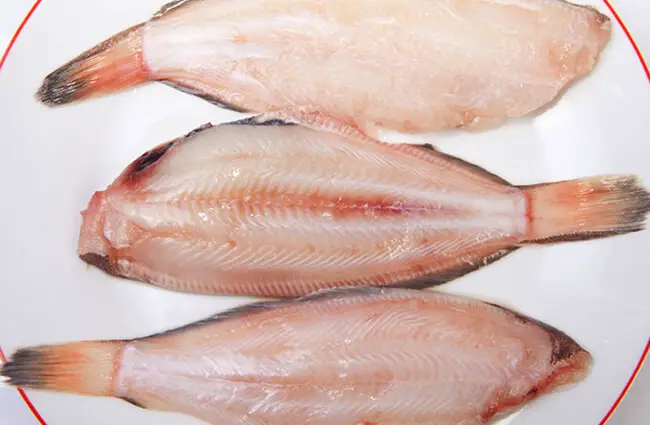
- Culinary Delicacy: Sole species, particularly the Common Sole (Solea solea) and Dover Sole, are highly prized in cuisines worldwide for their delicate flavor and firm, white flesh. They are a significant target for commercial fisheries, contributing substantially to the seafood industry and local economies. This demand has, however, led to concerns about overfishing in some regions.
- Conservation Status: Due to their commercial value, many Sole populations face pressure from fishing. Sustainable fishing practices, quotas, and protected areas are crucial for managing Sole stocks and ensuring their long-term viability. Habitat degradation, pollution, and climate change also pose threats to their sensitive benthic habitats.
- Cultural Significance: While perhaps not as prominent in folklore as some larger, more charismatic marine animals, Sole’s presence in coastal communities is often tied to fishing traditions and local culinary heritage. Its distinctive appearance and delicious taste have secured its place in human culture, particularly in regions with strong maritime traditions.
Encountering Sole in the Wild: What to Do
For the fortunate individual who encounters a Sole in its natural habitat, perhaps while snorkeling, diving, or exploring tidal flats, the best course of action is simply to observe. Soles are masters of camouflage and are generally shy. They pose no threat to humans. If you spot one, appreciate its incredible ability to blend in. Avoid disturbing the fish or its environment. Do not attempt to touch or capture it. Simply watch from a respectful distance, allowing it to continue its natural behaviors undisturbed. This approach ensures both your safety and the well-being of the animal.
Caring for Sole in Captivity: A Zookeeper’s Guide
Maintaining Sole in an aquarium setting, whether for public display or research, requires specialized knowledge and meticulous care. Zookeepers and aquarists must replicate their natural benthic environment as closely as possible.
- Habitat Requirements:
- Tank Size: A spacious tank with a large footprint is essential to accommodate their bottom-dwelling nature and allow for natural movement.
- Substrate: A deep layer of fine, soft sand is critical. Soles love to bury themselves, and an appropriate substrate prevents stress and fin damage.
- Water Quality: Maintain stable marine parameters:
- Salinity: Consistent salinity levels appropriate for the specific Sole species (typically 1.020-1.025 specific gravity).
- Temperature: Species-specific temperature range, often cooler for temperate species.
- pH: Stable pH between 8.0 and 8.4.
- Oxygenation: Excellent aeration and water movement are vital.
- Filtration: Robust biological, mechanical, and chemical filtration systems are necessary to maintain pristine water quality, as Soles can produce a fair amount of waste.
- Diet in Captivity:
- Offer a varied diet of high-quality frozen or live foods, mimicking their natural prey. This includes chopped marine worms, Mysis shrimp, brine shrimp, and small pieces of clam or squid.
- Feed small amounts frequently to prevent water fouling.
- Ensure food reaches the bottom of the tank where the Sole can access it.
- Health Monitoring:
- Regularly inspect for signs of stress or disease, such as lethargy, loss of appetite, frayed fins, skin lesions, or abnormal coloration.
- Maintain excellent water quality to prevent common ailments like bacterial infections.
- Quarantine new arrivals to prevent disease transmission.
- Enrichment:
- Provide varied substrate depths and perhaps some smooth rocks or shells for exploration and hiding.
- Ensure adequate space for burying and moving freely.
- Things to Avoid:
- Overcrowding: Leads to stress, aggression, and poor water quality.
- Aggressive Tank Mates: Soles are peaceful and can be easily stressed or injured by boisterous or predatory fish.
- Poor Water Quality: The most common cause of health issues in captive fish.
- Sudden Changes: Avoid abrupt changes in temperature, salinity, or pH.
- Inadequate Substrate: Lack of suitable sand can cause stress and physical damage.
Beyond the Surface: Intriguing Facts About Sole
- Left-Eyed or Right-Eyed: While most flatfish are either “right-eyed” (dextral) or “left-eyed” (sinistral), Soles are typically right-eyed, meaning their left eye migrates to the right side of their head during metamorphosis.
- Exceptional Camouflage: Soles can change their skin pattern and coloration in mere seconds to perfectly match the texture and hue of the seabed, making them virtually invisible to predators and prey.
- Unique Swimming Style: When they do move, Soles often undulate their long dorsal and anal fins, creating a graceful, wave-like motion that propels them smoothly across the bottom.
- Longevity: Depending on the species, Soles can live for several years, with some larger species reaching ages of 15 years or more in the wild.
- Sensory Prowess: Despite their small eyes, Soles rely heavily on their sense of smell and touch, using specialized sensory pores and barbels around their mouth to detect buried prey.
- No Swim Bladder: Unlike many fish, Soles lack a swim bladder, which is an adaptation for their benthic lifestyle, allowing them to remain firmly on the seabed without expending energy to stay down.
The Enduring Appeal of the Sole
From its humble beginnings as a symmetrical larva to its sophisticated adult form, the Sole stands as a remarkable example of evolutionary adaptation. Its mastery of camouflage, its crucial role in marine food webs, and its delicate flavor have intertwined its fate with both the natural world and human culture. Understanding and appreciating this unique flatfish not only enriches our knowledge of marine biodiversity but also underscores the importance of conserving the delicate ecosystems it calls home. The Sole, truly, is a hidden gem of the ocean, deserving of our continued fascination and respect.
![Closeup of a beautiful Red Angus cowPhoto by: U.S. Department of Agriculture [pubic domain]https://creativecommons.org/licenses/by/2.0/](https://animals.net/wp-content/uploads/2020/03/Red-Angus-4-238x178.jpg "Red Angus")

![Closeup of a beautiful Red Angus cowPhoto by: U.S. Department of Agriculture [pubic domain]https://creativecommons.org/licenses/by/2.0/](https://animals.net/wp-content/uploads/2020/03/Red-Angus-4-100x75.jpg "Red Angus")