The Remarkable World of Shrikes
Shrikes, often called “butcher birds,” are a fascinating group of birds known for their unique hunting and feeding behaviors. These predatory songbirds, belonging to the family Laniidae, possess a combination of traits that set them apart from other avian species. From their striking plumage to their macabre practice of impaling prey, shrikes offer a captivating glimpse into the diverse strategies employed in the natural world. This guide delves into the comprehensive biology, behavior, and ecology of these remarkable birds, offering insights for students, animal enthusiasts, aspiring zoologists, and anyone curious about the intricacies of nature.
What are Shrikes?
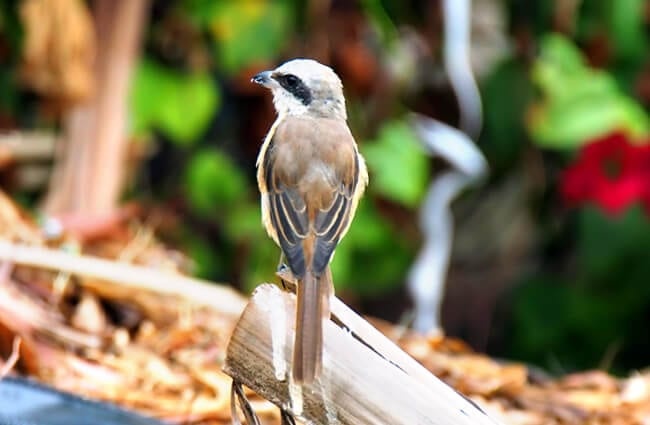
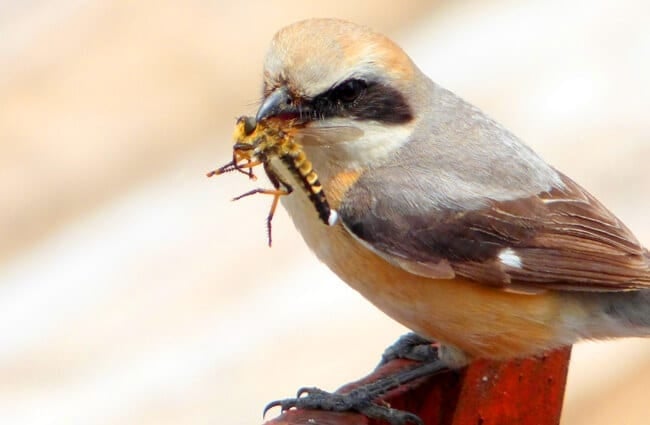
Shrikes are small to medium‑sized passerine birds. They typically range in size from 17 to 26 centimeters in length and weigh between 30 and 80 grams. A key characteristic is their hooked beak, resembling that of a raptor, which is perfectly adapted for catching and tearing into prey. While they possess the beak of a predator, shrikes are genetically songbirds, showcasing an unusual combination of traits. There are over 60 species of shrikes found across the globe, inhabiting a variety of habitats from forests and grasslands to scrublands and urban areas.
Physical Characteristics
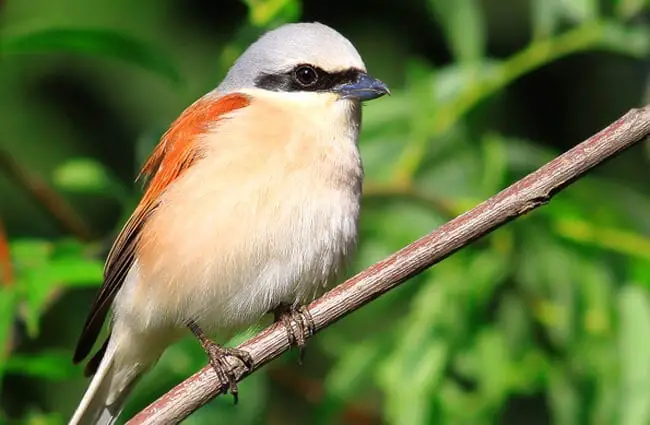
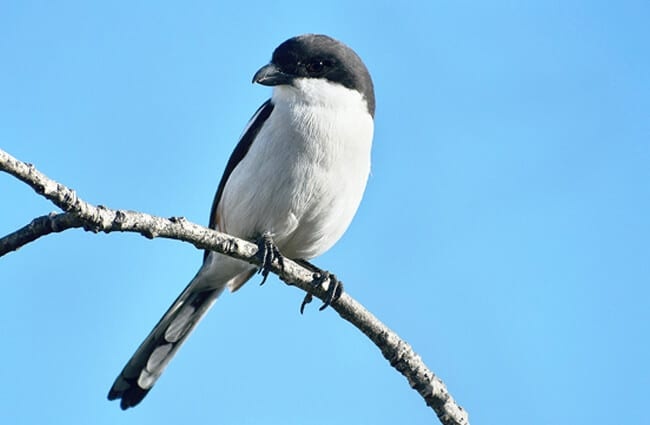
Shrikes exhibit a remarkable diversity in plumage, with coloration varying significantly between species. Many shrikes boast striking patterns of gray, brown, black, and white, often with contrasting masks or wing bars. Some species display vibrant red or chestnut hues. This plumage provides effective camouflage, aiding in both hunting and protection from predators. Sexual dimorphism, where males and females differ in appearance, is common, with males often exhibiting brighter or more conspicuous coloration.
Habitat and Distribution
Shrikes have a broad global distribution, found on every continent except Antarctica. They occupy a variety of habitats, showcasing their adaptability. Species can be found in temperate and tropical forests, open woodlands, grasslands, scrublands, agricultural areas, and even urban environments. The choice of habitat often depends on the specific prey available and the need for suitable nesting sites. For example, the Loggerhead Shrike commonly inhabits grasslands and agricultural fields with scattered trees and shrubs, providing perches for hunting and nesting opportunities. The Red‑backed Shrike favors open woodland and forest edge.
The Hunting Strategy of a “Butcher Bird”
The moniker “butcher bird” originates from the shrike’s unusual feeding behavior. These birds are skilled hunters, preying on a wide variety of invertebrates and vertebrates, including insects, rodents, lizards, snakes, and even smaller birds. They employ a “sit‑and‑wait” hunting strategy, perching on exposed branches or shrubs and patiently scanning for prey. Once a target is located, the shrike swiftly swoops down, capturing it with its hooked beak.
But the hunting doesn’t end with the capture. Shrikes lack the strong feet of raptors for holding onto struggling prey. Instead, they impale their victims on thorns, barbed wire, or sharp branches. This behavior serves multiple purposes. It secures the prey for later consumption, allowing the shrike to continue hunting without needing to hold onto its meal. The impaling also serves as a “pantry,” creating a visible cache of food that can be accessed over several days. This practice is not about preserving the food, but about readily available access to meals.
Dietary Variations
The diet of shrikes varies depending on the species, habitat, and season. Insectivorous shrikes, like the Fiscal Shrike, consume primarily insects, while others, such as the Loggerhead Shrike, have a more diverse diet including small mammals, birds, reptiles, and amphibians. During the breeding season, shrikes increase their consumption of insects to provide protein‑rich food for their growing chicks.
Reproduction and Life Cycle
Shrikes are typically monogamous, forming pair bonds that can last for several years. The breeding season varies depending on the species and geographic location. Most shrikes build open cup‑shaped nests, constructed from twigs, grass, and other plant materials. The nests are typically located in shrubs, trees, or dense vegetation, providing protection from predators.
The female typically lays between four and eight eggs, which are incubated for around twelve to sixteen days. Both parents participate in incubating the eggs and feeding the chicks. The chicks are altricial, meaning they are born helpless and require extensive parental care. They fledge the nest after about eighteen to twenty‑four days, but continue to be fed by their parents for several weeks. Young shrikes typically reach sexual maturity in their first or second year.
Parental Behavior
Shrikes exhibit complex parental behavior. Parents actively defend their nests and young from predators. They also engage in allopreening, grooming each other to strengthen their pair bond. Both parents participate in bringing food to the chicks, ensuring they receive adequate nutrition.
Shrikes and the Ecosystem
Shrikes play an important role in their ecosystems as predators. They help to control populations of insects, rodents, and other small animals. They also serve as prey for larger predators, such as hawks and owls. Their unique hunting and feeding behavior can also influence the distribution and abundance of their prey species.
Interactions with Other Animals
Shrikes can engage in kleptoparasitism, stealing food from other birds. They have also been observed foraging alongside other insectivorous birds, forming mixed‑species foraging groups. Shrikes can also be targeted by parasitic insects, such as fleas and mites.
Shrikes and Human Interactions
Historically, shrikes were often persecuted by humans due to their habit of impaling livestock or game birds. However, in recent years, their conservation status has improved in many areas. Habitat loss and degradation remain the primary threats to shrike populations. Urbanization and agricultural intensification can reduce the availability of suitable hunting and nesting habitat.
Conservation Efforts
Conservation efforts focus on protecting and restoring shrike habitat. This includes maintaining grasslands and shrublands, promoting sustainable agricultural practices, and reducing the use of pesticides. Public education can also play an important role in raising awareness about the importance of shrikes and their conservation.
Fascinating Facts about Shrikes
Here are some interesting tidbits about these remarkable birds:
- Some shrike species are known for their complex vocalizations, including songs, calls, and whistles.
- Shrikes can mimic the calls of other birds and animals.
- The lifespan of shrikes varies depending on the species, but some individuals can live for over ten years.
- Several shrike species are sexually dimorphic, with males and females differing in plumage.
- Shrikes play a role in seed dispersal, consuming fruits and excreting the seeds in different locations.
For the Aspiring Zoologist
Shrikes present a fascinating study subject for aspiring zoologists. Their unique hunting behavior, complex social interactions, and ecological roles provide ample opportunities for research. Areas of interest could include investigating the cognitive abilities of shrikes, studying their foraging strategies, or examining the impact of habitat loss on their populations. The evolution of impaling behavior also offers a unique avenue for research.
Encountering a Shrike in the Wild
If you encounter a shrike in the wild, observe it from a distance and avoid disturbing it. Respect its habitat and refrain from approaching its nest. If you observe any signs of distress, contact a local wildlife rehabilitation center. Reporting sightings to citizen‑science initiatives can help researchers track shrike populations and monitor their conservation status.
Caring for Shrikes in Captivity
Caring for shrikes in captivity requires specialized knowledge and experience. Providing a spacious enclosure with natural perches and vegetation is essential. The diet should consist of a variety of insects, small mammals, and other appropriate foods. Enrichment activities, such as providing puzzle feeders and opportunities for foraging, can help stimulate their natural behaviors. Regular veterinary checkups are crucial for maintaining their health and well‑being.
![Closeup of a beautiful Red Angus cowPhoto by: U.S. Department of Agriculture [pubic domain]https://creativecommons.org/licenses/by/2.0/](https://animals.net/wp-content/uploads/2020/03/Red-Angus-4-238x178.jpg "Red Angus")
![Closeup of a beautiful Red Angus cowPhoto by: U.S. Department of Agriculture [pubic domain]https://creativecommons.org/licenses/by/2.0/](https://animals.net/wp-content/uploads/2020/03/Red-Angus-4-100x75.jpg "Red Angus")