The Ocean’s Acrobats: A Deep Dive into the World of Sea Lions
Graceful, intelligent, and undeniably charismatic, sea lions are among the most beloved inhabitants of our planet’s coastal waters. These magnificent marine mammals captivate observers with their playful antics, powerful swimming, and distinctive vocalizations. Far more than just ocean entertainers, sea lions play vital roles in marine ecosystems and offer a window into the fascinating adaptations of life in the sea. This article explores the intricate world of sea lions, from their evolutionary past to their daily lives, their interactions with humans, and their crucial place in the natural world.
Who Are These Eared Wonders? Understanding Sea Lions
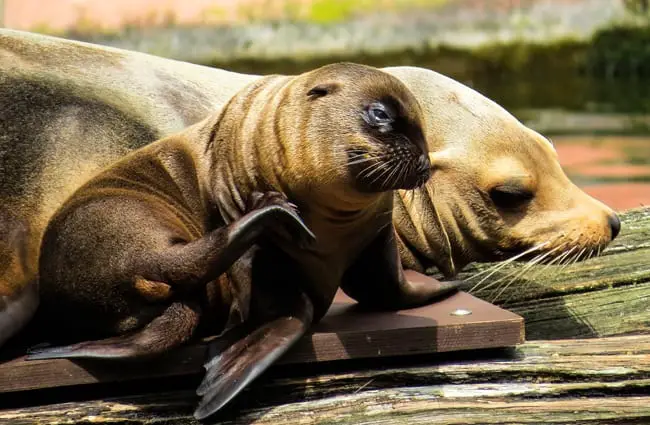
Sea lions belong to the family Otariidae, commonly known as “eared seals.” This classification distinguishes them from “true seals” (Phocidae) by several key features. Unlike true seals, sea lions possess visible external ear flaps, hence their family name. They also have long, strong front flippers that they use for propulsion through the water, allowing for incredible agility and speed. On land, these powerful front flippers, along with their ability to rotate their hind flippers forward, enable them to “walk” or gallop, moving with surprising speed and dexterity across rocky shores and sandy beaches. Their sleek, torpedo-shaped bodies are perfectly adapted for an aquatic existence, while a thick layer of blubber provides insulation in cold ocean waters.
Where to Find These Coastal Charms: Sea Lion Habitats
Sea lions are widely distributed across the globe, inhabiting temperate and tropical waters of both the Northern and Southern Hemispheres. Their preferred habitats are coastal areas, including rocky islands, sandy beaches, and even man-made structures like docks and buoys. They are often found in areas with abundant food sources and safe havens for breeding and resting. Different species occupy distinct geographical ranges:
- California Sea Lion (Zalophus californianus): Dominates the Pacific coast of North America, from British Columbia down to Baja California.
- Steller Sea Lion (Eumetopias jubatus): The largest of the sea lions, found in the colder waters of the North Pacific, from Japan through Alaska and down to central California.
- Galapagos Sea Lion (Zalophus wollebaeki): Endemic to the Galapagos Islands and a small portion of the Ecuadorian coast.
- South American Sea Lion (Otaria flavescens): Inhabits the coasts of South America, from Peru to Brazil.
- Australian Sea Lion (Neophoca cinerea): Found along the southern and western coasts of Australia.
- New Zealand Sea Lion (Phocarctos hookeri): Primarily found around the subantarctic islands of New Zealand.
- Japanese Sea Lion (Zalophus japonicus): Sadly, declared extinct in the 1970s.
For an animal lover hoping to spot a sea lion in the wild, the best places are often coastal national parks, marine sanctuaries, and harbors along their known ranges. Look for rocky outcrops, isolated beaches, or even floating docks where they haul out to rest and bask in the sun. Their distinctive barks often give away their presence before they are seen.
The Menu of a Marine Marvel: Sea Lion Diet
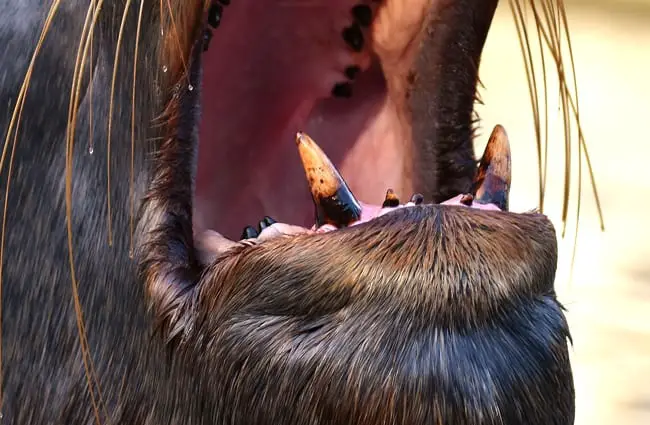
Sea lions are opportunistic carnivores, primarily piscivores, meaning their diet largely consists of fish. However, their menu is quite diverse and varies depending on the species, location, and availability of prey. They are skilled hunters, using their agility and speed to pursue fish, squid, and crustaceans in the water. Their diet typically includes:
- Fish: Sardines, anchovies, herring, mackerel, hake, rockfish, and salmon are common staples.
- Cephalopods: Squid and octopus are frequently consumed, especially by larger species.
- Crustaceans: Crabs and shrimp can also be part of their diet.
- Occasionally: Some larger sea lion species, like the Steller sea lion, may also prey on smaller seals or seabirds, demonstrating their adaptability as apex predators in their local food webs.
Sea lions hunt individually or in small groups, often cooperating to herd schools of fish. They can dive to impressive depths and hold their breath for extended periods, allowing them to access a wide range of prey in the water column.
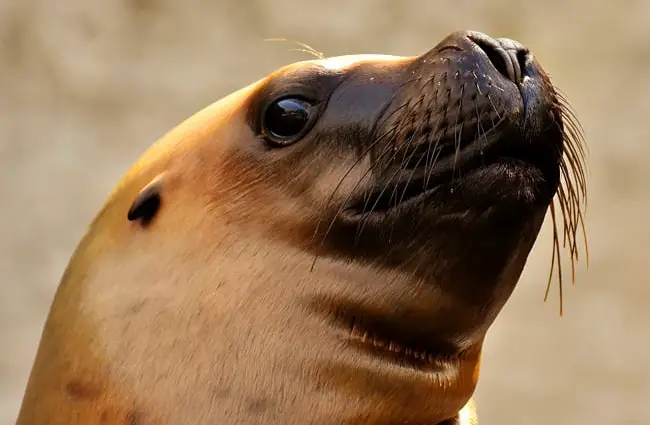
A Journey Through Time: Sea Lion Evolution
The evolutionary history of sea lions, along with all pinnipeds (seals, sea lions, and walruses), is a fascinating tale of adaptation from land to sea. Pinnipeds are believed to have evolved from a common terrestrial ancestor, likely a bear-like or otter-like carnivore, approximately 20-30 million years ago. The earliest known pinniped fossil, Enaliarctos, dating back about 23 million years, already shows many adaptations for an aquatic lifestyle, including powerful flippers. The Otariidae family, which includes sea lions and fur seals, diverged from the Phocidae (true seals) lineage later in their evolutionary journey. This divergence led to the development of distinct anatomical features, such as the external ear flaps and the ability to rotate hind flippers forward, which are characteristic of sea lions today. Their evolution showcases a remarkable transition, highlighting how natural selection can sculpt organisms to thrive in entirely new environments, transforming terrestrial hunters into agile marine predators.
The Cycle of Life: Mating and Reproduction
Sea lion reproduction is a highly synchronized and often dramatic affair, typically occurring in large aggregations known as rookeries. These breeding grounds are usually established on isolated islands or remote stretches of coastline, providing safety from terrestrial predators and human disturbance.
- Breeding Season: Mating usually takes place shortly after the females give birth, often in late spring or early summer.
- Polygynous System: Sea lions exhibit a polygynous mating system, where dominant males, known as “bulls,” establish territories and attempt to mate with multiple females. These bulls are significantly larger than females and engage in fierce, often vocal, contests to defend their territories and harems.
- Gestation and Birth: After a gestation period of approximately 11-12 months, which includes a period of delayed implantation (where the fertilized egg does not immediately implant in the uterine wall), females give birth to a single pup.
- Pup Rearing: Pups are born on land and are initially dependent on their mothers for milk. Mothers typically nurse their pups for several months to over a year, depending on the species, making periodic foraging trips to sea. Pups learn to swim and hunt during this time, gradually becoming more independent.
- Sexual Maturity: Females typically reach sexual maturity around 4-6 years of age, while males mature later, often around 5-8 years, but may not be successful in breeding until they are older and larger, capable of holding a territory.
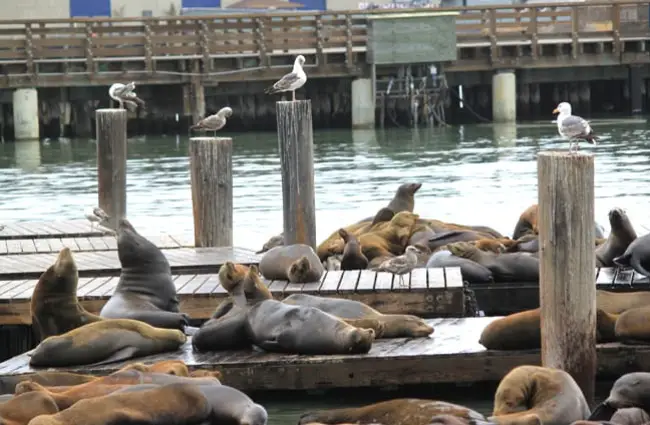
Guardians of the Coast: Sea Lions in the Ecosystem
Sea lions are keystone species in many coastal marine ecosystems, playing a critical role in maintaining ecological balance. As apex predators, they help regulate populations of their prey species, such as fish and squid. This predation can prevent overpopulation of certain species, which in turn helps maintain the health and diversity of the marine environment. Their presence indicates a healthy and productive ecosystem with ample food resources.
Interactions with Other Animals
Sea lions engage in a complex web of interactions with other marine and terrestrial animals:
- Predators: Adult sea lions, particularly the larger species, have few natural predators other than large sharks (like great white sharks) and orcas (killer whales). Pups and juveniles are more vulnerable to these predators, as well as to opportunistic scavengers on land.
- Prey: As discussed, they prey on a wide variety of fish, cephalopods, and crustaceans.
- Competitors: Sea lions compete for food resources with other marine predators, including other pinniped species (like fur seals), seabirds, and even human fisheries.
- Symbiotic Relationships: While not strictly symbiotic, sea lions often share haul-out sites with other marine mammals and seabirds, creating bustling coastal communities.
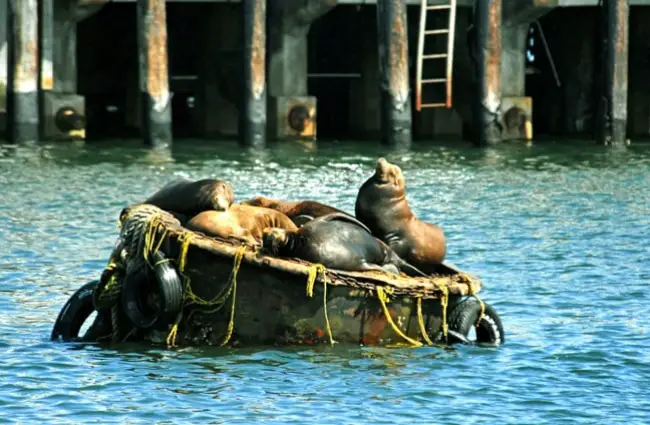
Sea Lions and Humanity: A Shared Coastal Story
The relationship between sea lions and humans is a long and multifaceted one, evolving from ancient cultural reverence to modern conservation challenges.
- Historical and Cultural Significance: Indigenous coastal communities have long interacted with sea lions, often viewing them as powerful spirits or sources of sustenance. Their images appear in ancient art, folklore, and spiritual practices, reflecting their deep cultural importance.
- Human Interaction Today:
- Fisheries Conflict: Sea lions are often seen as competitors by commercial and recreational fishermen, as they consume commercially valuable fish and can damage fishing gear. This can lead to conflict and, unfortunately, sometimes illegal culling.
- Tourism and Wildlife Viewing: Conversely, sea lions are a major draw for ecotourism, providing significant economic benefits to coastal communities. Whale watching and wildlife tours often include sea lion viewing, allowing people to appreciate these animals in their natural habitat.
- Research and Conservation: Scientists study sea lions to understand marine ecosystems, monitor ocean health, and inform conservation strategies. Conservation efforts focus on protecting their habitats, reducing bycatch, and mitigating human-wildlife conflict.
- Marine Mammal Stranding Networks: Organizations worldwide rescue and rehabilitate stranded or injured sea lions, often due to entanglement in fishing gear, illness, or human disturbance.
Encountering Sea Lions in the Wild: What to Do
For hikers, beachgoers, or anyone encountering a sea lion in the wild, responsible behavior is paramount for both human and animal safety. Sea lions are wild animals, and while they may appear docile, they can be unpredictable and powerful. They also carry diseases that can be transmitted to humans.
- Maintain Distance: Always keep a respectful distance, at least 50 yards (about 45 meters). Use binoculars or a telephoto lens for viewing.
- Never Feed Them: Feeding wild animals habituates them to humans, which can lead to aggressive behavior and dependence.
- Do Not Disturb: Avoid making loud noises, sudden movements, or approaching them, especially if they are resting, nursing pups, or appear stressed.
- Observe for Distress: If a sea lion appears injured, entangled, or unusually lethargic, do not approach it. Contact local wildlife authorities or a marine mammal stranding network.
- Keep Dogs Leashed: Dogs can disturb or provoke sea lions, leading to dangerous encounters for both animals.
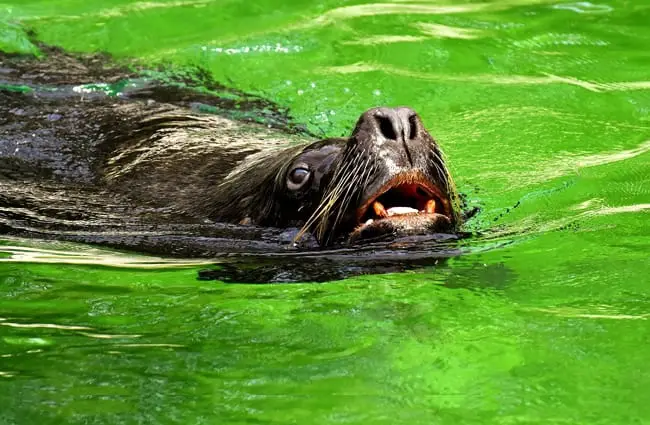
Caring for Sea Lions in Captivity: A Zookeeper’s Role
Zookeepers caring for sea lions in accredited facilities play a crucial role in animal welfare, education, and conservation. Their tasks are diverse and demanding:
- Daily Care and Feeding: Providing a meticulously balanced diet of fresh fish, often supplemented with vitamins, and ensuring proper hydration.
- Habitat Maintenance: Regularly cleaning and maintaining their aquatic and terrestrial enclosures, ensuring water quality, and providing enrichment items.
- Health Monitoring: Observing behavior for any signs of illness or injury, assisting veterinarians with medical procedures, and administering medications.
- Training and Enrichment: Engaging sea lions in positive reinforcement training for husbandry behaviors (e.g., presenting a flipper for examination) and providing environmental enrichment to stimulate their minds and bodies. This includes toys, varied feeding methods, and opportunities for social interaction.
- Public Education: Participating in educational presentations to inform visitors about sea lion biology, conservation status, and the importance of protecting marine environments.
What to Avoid: Zookeepers must avoid practices that cause stress, fear, or harm to the animals. This includes avoiding punitive training methods, overcrowding enclosures, providing inadequate nutrition, or failing to provide sufficient mental and physical stimulation. Maintaining a safe and stimulating environment is paramount.
A Plethora of Pinniped Peculiarities: Interesting Sea Lion Facts
Sea lions are full of surprises. Here is a collection of intriguing facts that highlight their unique adaptations and behaviors:
- Vocal Virtuosos: Sea lions are incredibly vocal, known for their loud barks, growls, and roars, especially during breeding season. Each individual has a unique “voice.”
- Underwater Acrobats: They can reach speeds of up to 25 miles per hour (40 km/h) in the water and dive to depths of several hundred feet, holding their breath for up to 10 minutes.
- Walking on Flippers: Unlike true seals, sea lions can rotate their hind flippers forward, allowing them to “walk” on all fours on land, sometimes even galloping.
- Whisker Wonders: Their sensitive whiskers, or vibrissae, are crucial for detecting prey in murky waters by sensing vibrations.
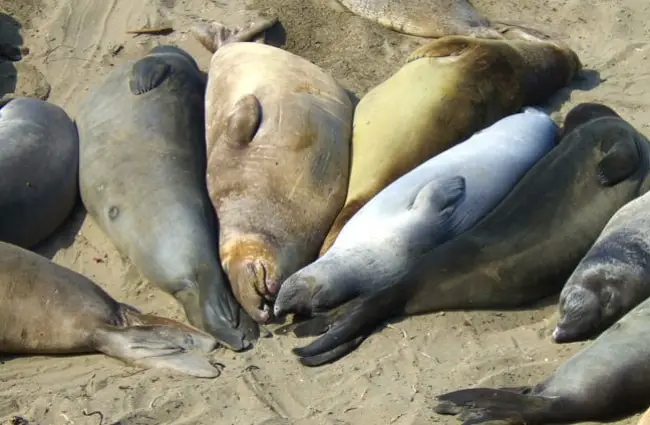
- Sleepy Swimmers: Sea lions can sleep both on land and in the water. When sleeping at sea, they often float on their backs, sometimes holding a flipper out of the water to regulate body temperature.
- Intelligent Individuals: Their intelligence makes them highly trainable, often seen performing complex behaviors in marine parks, which has also made them valuable in military applications for detecting underwater objects.
- Sexual Dimorphism: Males are significantly larger and heavier than females, a characteristic known as sexual dimorphism, which is particularly pronounced in species like the Steller sea lion.
- Delayed Implantation: Females exhibit delayed implantation, meaning the fertilized egg does not immediately implant in the uterus. This allows them to time births to coincide with favorable environmental conditions.
- Pup Recognition: Mothers and pups recognize each other through a combination of vocalizations and scent, even in crowded rookeries.
- Sunbathers Extraordinaire: They frequently haul out onto land to rest, warm up in the sun, and socialize, often piling on top of each other for warmth and camaraderie.
Conclusion: Celebrating the Sea Lion’s Legacy
From their ancient origins to their dynamic presence in today’s oceans, sea lions embody the resilience and wonder of marine life. Their intelligence, adaptability, and vital ecological roles make them indispensable components of coastal ecosystems. As humans continue to expand their footprint, understanding and appreciating these magnificent creatures becomes ever more critical. By supporting conservation efforts, practicing responsible wildlife viewing, and advocating for healthy oceans, humanity can ensure that the barks and playful splashes of sea lions continue to echo along our coastlines for generations to come, inspiring future zoologists, delighting animal lovers, and reminding us all of the ocean’s enduring magic.
![Closeup of a beautiful Red Angus cowPhoto by: U.S. Department of Agriculture [pubic domain]https://creativecommons.org/licenses/by/2.0/](https://animals.net/wp-content/uploads/2020/03/Red-Angus-4-238x178.jpg "Red Angus")
![Closeup of a beautiful Red Angus cowPhoto by: U.S. Department of Agriculture [pubic domain]https://creativecommons.org/licenses/by/2.0/](https://animals.net/wp-content/uploads/2020/03/Red-Angus-4-100x75.jpg "Red Angus")