
Rabbits, those endearing creatures with long ears and twitching noses, are far more complex and fascinating than many realize. From their surprisingly ancient lineage to their vital roles in ecosystems around the globe, rabbits deserve a closer look. This guide will delve into the world of rabbits, covering everything from their biology and behavior to their cultural significance and interactions with humans.

Understanding the Rabbit Family
The term “rabbit” and “hare” are often used interchangeably, but there are key differences. Both belong to the family Leporidae, but rabbits generally have shorter ears, stockier bodies, and live in underground burrows known as warrens. Hares are typically larger, possess longer ears, and prefer to live above ground in nests called forms. There are approximately 30 different species of rabbits worldwide, inhabiting diverse environments.
A Journey Through Rabbit Evolution
The evolutionary history of rabbits stretches back over 55 million years, to the early Eocene epoch. Fossil evidence suggests that the earliest leporids were small, primitive creatures resembling rodents. Over time, they evolved into the recognizable form we know today, developing the specialized features like long ears (enhancing hearing for predator detection) and powerful hind legs (for rapid escape). The evolutionary success of rabbits is evidenced by their widespread distribution and adaptation to various habitats.
Where Do Rabbits Live?
Rabbits are remarkably adaptable, found in a wide range of environments. They inhabit grasslands, forests, deserts, and wetlands across Europe, Asia, Africa, and the Americas. Some species, like the European rabbit, have been introduced to other parts of the world, sometimes with significant ecological consequences. Finding rabbits in the wild often involves looking for signs of their presence, such as droppings, nibbled vegetation, and the entrances to burrows. Prime habitat includes areas with ample cover for protection from predators and a reliable food source.
What Do Rabbits Eat?
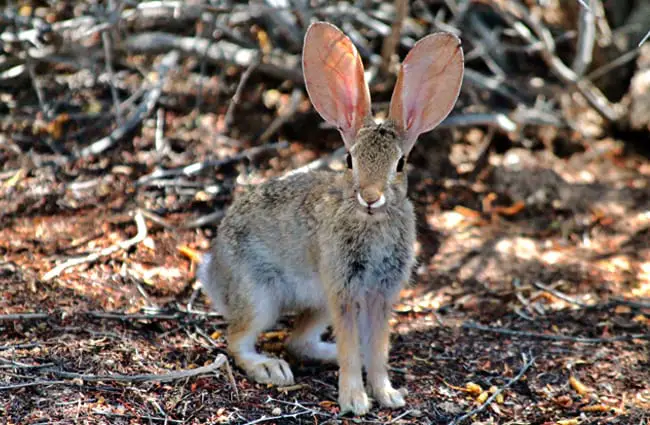
Rabbits are herbivores, with a diet consisting primarily of grasses, leaves, twigs, and bark. They are known for practicing coprophagy – eating their own soft fecal pellets. This seemingly unusual behavior allows them to extract additional nutrients, particularly B vitamins and proteins, from their food. Different rabbit species have adapted to specific food sources in their respective environments. For example, desert cottontails rely on drought-resistant vegetation, while forest rabbits may consume more leaves and buds.
Rabbit Reproduction and Life Cycle
Rabbits are prolific breeders. Their gestation period is relatively short, ranging from 18 to 31 days depending on the species. A female rabbit, known as a doe, can produce multiple litters per year, with each litter typically consisting of 4 to 12 kits. Baby rabbits are born altricial – blind, hairless, and helpless – and require extensive care from their mother. They are weaned at around 3 to 4 weeks old and reach sexual maturity at a few months old. The high reproductive rate is a crucial adaptation for surviving in environments with high predator pressure.
Rabbits in the Ecosystem
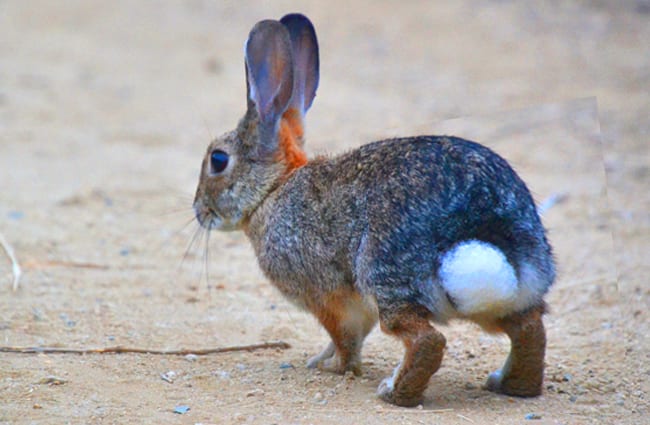
Rabbits play an important role in many ecosystems. They serve as a crucial food source for various predators, including foxes, hawks, owls, coyotes, and snakes. Their grazing activities can influence vegetation patterns and promote plant diversity. Rabbit burrows also provide shelter for other animals. However, in some cases, rabbit populations can become overabundant, leading to damage to crops and native vegetation.
Rabbits and Humans: A Complex Relationship
Humans have a long and complex relationship with rabbits. They have been hunted for food and fur for centuries. Rabbits also hold cultural significance in many societies, often symbolizing fertility, luck, and springtime. In recent times, rabbits have become popular pets, providing companionship and enjoyment to millions of people worldwide. However, introduced rabbit populations have caused significant ecological problems in several regions, requiring management efforts to control their numbers.

Interesting Rabbit Facts
- Rabbits have approximately 36 teeth, including continuously growing incisors.
- Their ears can rotate up to 270 degrees, allowing them to detect predators from a distance.
- Rabbits communicate through a variety of methods, including scent marking, drumming their hind feet, and vocalizations.
- Some rabbit species exhibit complex social behavior, living in colonies with established hierarchies.
- A group of rabbits is called a “fluffle”.
- Rabbits can jump up to three times their body length.
Caring for Captive Rabbits
Providing appropriate care for rabbits in captivity requires understanding their specific needs. A spacious enclosure with a solid floor is essential. They need a constant supply of fresh hay, along with a limited amount of high-quality rabbit pellets and fresh vegetables. Regular veterinary checkups are crucial for maintaining their health. Rabbits require mental stimulation through toys, tunnels, and opportunities for exploration. Avoid overcrowding, loud noises, and sudden changes in their environment, as these can cause stress.

Encountering Rabbits in the Wild
If you encounter a rabbit in the wild, it is best to observe it from a distance. Avoid approaching or attempting to touch it, as this can cause stress and disrupt its natural behavior. Keep pets leashed and under control. If you find an injured or orphaned rabbit, contact a local wildlife rehabilitation center for assistance.

Advanced Topics for Aspiring Zoologists
For those interested in a more in-depth understanding of rabbits, several areas of research are particularly rewarding. Studying rabbit genetics can reveal insights into their evolution and adaptation. Investigating the impact of habitat fragmentation on rabbit populations is crucial for conservation efforts. Examining the role of gut microbiota in rabbit digestion and health is a growing field of research. Exploring the complex communication behaviors of rabbits can shed light on their social intelligence.

Rabbits, in all their diversity and complexity, are a testament to the wonders of the natural world. From their evolutionary history to their ecological roles, these endearing creatures continue to fascinate and inspire. By learning more about rabbits, we can better appreciate their importance and ensure their survival for generations to come.
![Closeup of a beautiful Red Angus cowPhoto by: U.S. Department of Agriculture [pubic domain]https://creativecommons.org/licenses/by/2.0/](https://animals.net/wp-content/uploads/2020/03/Red-Angus-4-238x178.jpg "Red Angus")




![Closeup of a beautiful Red Angus cowPhoto by: U.S. Department of Agriculture [pubic domain]https://creativecommons.org/licenses/by/2.0/](https://animals.net/wp-content/uploads/2020/03/Red-Angus-4-100x75.jpg "Red Angus")


