The Mongoose: A Small Predator with a Big Reputation
Often celebrated in folklore and sometimes misunderstood, the mongoose is a creature of remarkable adaptability and surprising complexity. From its lightning-fast reflexes to its intricate social structures, this agile carnivore has carved out a significant niche across diverse landscapes. Join us on a journey to uncover the true nature of the mongoose, moving beyond myth to explore its biology, behavior, and vital role in the natural world.
Prepare to delve into the fascinating life of an animal that is far more than just a snake fighter, revealing insights that will captivate animal enthusiasts, inform aspiring zoologists, and guide anyone lucky enough to encounter one in the wild.
Unpacking the Mongoose: Basic Biology and Classification
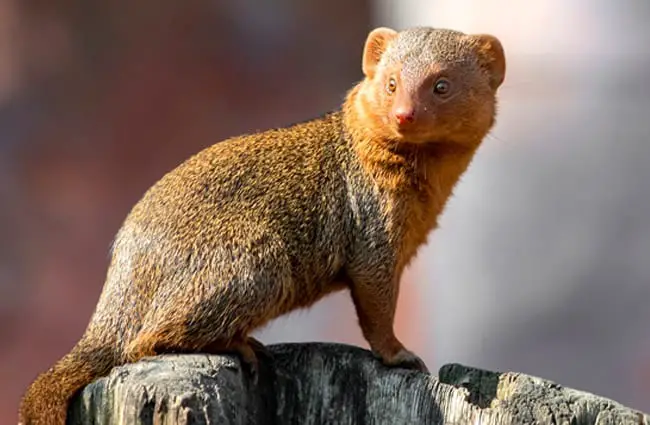
The term “mongoose” refers to over 30 species of small, carnivorous mammals belonging to the family Herpestidae. These animals are not rodents, despite their often rat-like appearance, but are more closely related to civets and hyenas. They are characterized by their long, slender bodies, short legs, pointed snouts, and bushy tails. Their fur color varies widely depending on the species and habitat, ranging from grizzled grey and brown to reddish or yellowish hues.
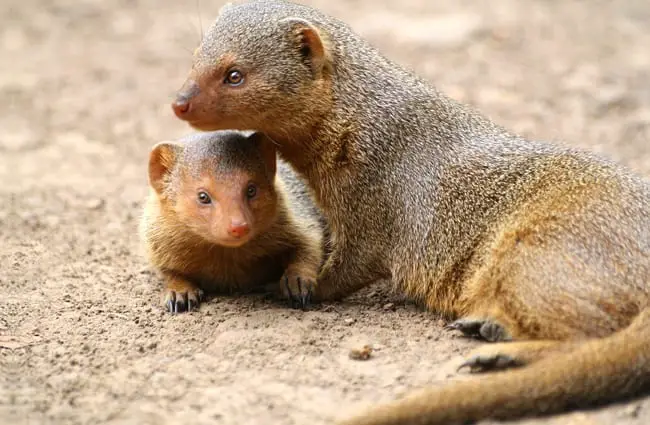
Mongoose species range significantly in size, from the tiny Dwarf Mongoose, weighing less than a pound, to the much larger White-tailed Mongoose, which can exceed ten pounds. Despite this variation, all share a common predatory instinct and an acute set of senses, including excellent hearing and a keen sense of smell, which are crucial for hunting.
Global Wanderers: Mongoose Habitats and Distribution
Mongooses are true global citizens, primarily found across Africa, Asia, and parts of Southern Europe. Their adaptability allows them to thrive in an astonishing array of environments. You can find them:
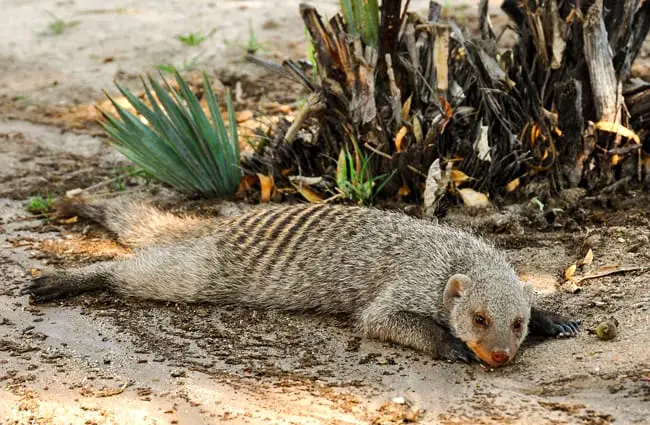
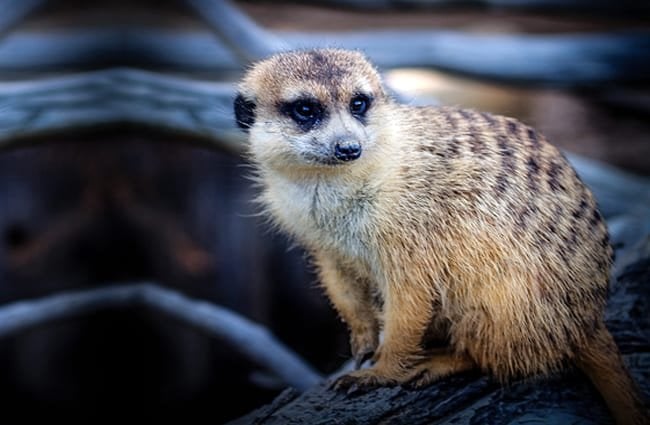
- African Savannas and Grasslands: Species like the Banded Mongoose and Meerkat (a type of mongoose) are iconic residents of these open plains, often living in large, cooperative colonies.
- Forests and Woodlands: Some species, such as the Marsh Mongoose, prefer denser vegetation and proximity to water sources.
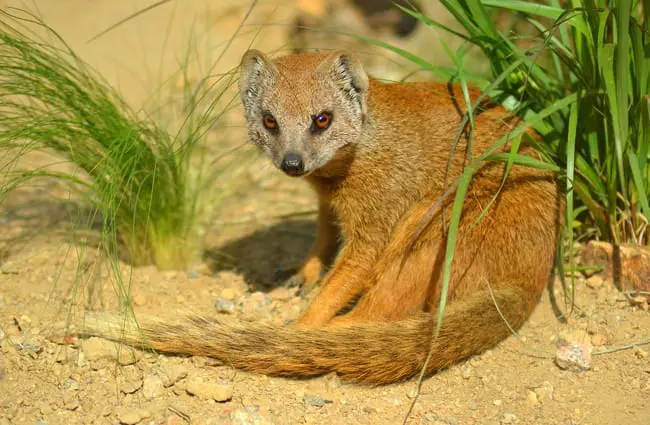
- Deserts and Semi-Arid Regions: The Yellow Mongoose is well-adapted to drier climates, often utilizing burrows for shelter.
- Rocky Outcrops and Mountains: Certain species navigate rugged terrain with ease, finding refuge and hunting grounds among the rocks.
- Human-Modified Landscapes: Many mongooses are highly adaptable and can be found near human settlements, agricultural areas, and even urban fringes, where they often find abundant food sources.
For an animal lover hoping to spot a mongoose in the wild, Africa offers the greatest diversity and visibility, particularly in national parks and reserves. Observing their behavior often requires patience and a keen eye, as many species are masters of camouflage and quick movement.
The Mongoose Menu: A Diverse and Opportunistic Diet
Mongooses are primarily carnivorous, but their diet is remarkably varied, making them opportunistic feeders. This dietary flexibility is a key factor in their widespread success. Their menu typically includes:
- Insects and Invertebrates: Beetles, termites, grasshoppers, and scorpions form a significant part of their diet.
- Small Mammals: Rodents like mice and rats are common prey, along with shrews and other small ground-dwelling creatures.
- Reptiles: Lizards, snakes (including venomous ones), and their eggs are frequently consumed. Their legendary ability to fight snakes is not just folklore; they possess incredible speed, agility, and a degree of immunity to certain venoms.
- Birds and Eggs: Ground-nesting birds and their clutches are vulnerable to a hungry mongoose.
- Amphibians: Frogs and toads are also on the menu, especially in wetter habitats.
- Fruits and Berries: While primarily meat-eaters, some species supplement their diet with plant matter, particularly when other food sources are scarce.
- Carrion: They are not above scavenging, making use of any available food source.
Their hunting strategy often involves stealthy stalking followed by a swift, decisive pounce. Many species are diurnal, hunting during the day, while others are crepuscular or nocturnal, adapting their activity to prey availability and predator avoidance.
Social Structures and Family Life: Mongoose Reproduction
Mongoose social behavior varies greatly among species. Some, like the Egyptian Mongoose, are largely solitary, coming together only to mate. Others, such as the Banded Mongoose and Meerkats, live in highly complex social groups, often numbering dozens of individuals.
In social species, reproduction is often a communal affair, though a dominant pair may do most of the breeding. The mating process typically involves a courtship period, after which the female enters estrus. Gestation periods vary by species, generally lasting between 40 and 80 days.
Litters usually consist of 2 to 4 pups, though larger litters are possible. Mongoose pups are born blind and helpless, requiring intensive parental care. In social species, the entire group often participates in raising the young, with non-breeding adults acting as “aunties” and “uncles” to guard, feed, and teach the pups essential survival skills. This cooperative breeding strategy significantly increases the survival rate of the young.
Pups are weaned after several weeks and begin to forage with the group, learning to hunt and identify dangers. They reach sexual maturity within their first year, ready to contribute to the next generation.
The Mongoose in the Ecosystem: Predator, Prey, and Pest Controller
Mongooses play a crucial role in their native ecosystems. As predators, they help regulate populations of insects, rodents, and reptiles, contributing to ecological balance. Their consumption of snakes, including venomous species, can be particularly beneficial in areas where snake populations might otherwise proliferate.
However, mongooses are not without their own predators. Larger carnivores such as eagles, hawks, jackals, wild dogs, and big cats prey on them, keeping their numbers in check. This intricate web of predator-prey relationships is fundamental to the health and stability of their habitats.
Their burrowing activities, especially in social species, can also contribute to soil aeration and nutrient cycling, further impacting their environment. In some regions, mongooses are considered natural pest controllers due to their appetite for agricultural pests like rodents and insects.
Mongoose and Humanity: Interactions and Implications
The relationship between mongooses and humans is complex and multifaceted, ranging from beneficial to problematic.
Cultural Significance
In many cultures, the mongoose is a symbol of courage, agility, and cunning. Rudyard Kipling’s famous story, “Rikki-Tikki-Tavi,” immortalized the mongoose as a heroic protector against venomous snakes, cementing its image as a fearless adversary of danger.
Beneficial Interactions
In their native ranges, mongooses are often welcomed for their ability to control agricultural pests. Farmers appreciate their natural predation on rodents and insects that can damage crops.
Problematic Interactions: Invasive Species
Unfortunately, the mongoose’s adaptability and predatory prowess have also led to significant ecological problems when introduced to non-native environments. In the late 19th century, several species, most notably the Small Indian Mongoose, were introduced to Caribbean islands, Hawaii, and Fiji to control rat and snake populations in sugarcane fields. Lacking natural predators and finding abundant prey (including native birds, reptiles, and their eggs, which had no defenses against this new predator), the mongooses thrived. This led to devastating declines and extinctions of many endemic species, highlighting the severe consequences of introducing non-native animals into fragile ecosystems.
Encountering a Mongoose in the Wild
For hikers and nature enthusiasts, encountering a mongoose can be a thrilling experience. If you are fortunate enough to spot one:
- Observe from a Distance: Maintain a respectful distance. Mongooses are wild animals and can be unpredictable if they feel threatened.
- Do Not Approach or Feed: Never attempt to feed a mongoose. This can habituate them to humans, leading to aggressive behavior or reliance on unnatural food sources.
- Stay Calm: If a mongoose approaches you, remain calm and avoid sudden movements. They are generally more curious than aggressive towards humans.
- Protect Pets: Keep dogs on a leash, as mongooses may defend themselves if cornered or perceive a threat to their young.
Mongoose in Captivity: A Zookeeper’s Guide
Caring for mongooses in a zoological setting requires specialized knowledge and dedication to replicate their natural environment and meet their complex needs. Here are key considerations for zookeepers:
Enclosure Design
- Space and Enrichment: Enclosures must be spacious, offering ample room for running, digging, and exploring. Provide a variety of substrates, climbing structures, and hiding spots (e.g., logs, rocks, burrows, dense vegetation).
- Security: Mongooses are adept escape artists. Enclosures need secure fencing, often with overhangs or buried mesh to prevent digging out.
- Temperature and Humidity: Replicate the species’ native climate conditions as closely as possible, providing heated areas or cooling misters as needed.
Dietary Management
- Balanced Carnivorous Diet: A captive mongoose diet should mimic their wild diet, consisting primarily of whole prey items (e.g., mice, chicks), high-quality commercial carnivore diets, and a variety of insects.
- Supplementation: Ensure appropriate vitamin and mineral supplementation, especially calcium, to prevent nutritional deficiencies.
- Feeding Enrichment: Hide food, use puzzle feeders, or scatter food to encourage natural foraging behaviors and mental stimulation.
Social and Behavioral Needs
- Social Grouping: For social species, house them in appropriate group sizes, carefully monitoring dynamics to prevent aggression. Solitary species should be housed individually or as breeding pairs.
- Behavioral Enrichment: Provide daily enrichment items such as novel scents, toys, digging opportunities, and rotating environmental elements to prevent boredom and stereotypical behaviors.
Health and Veterinary Care
- Regular Health Checks: Implement a routine veterinary care program, including regular physical exams, vaccinations, and parasite control.
- Common Issues: Be vigilant for signs of stress, dental problems, nutritional deficiencies, and respiratory or gastrointestinal issues.
- Quarantine Protocols: New arrivals must undergo strict quarantine to prevent disease transmission.
What to Avoid
- Overfeeding: Leads to obesity and related health problems.
- Lack of Enrichment: Can result in boredom, stress, and abnormal behaviors.
- Incompatible Groupings: Housing incompatible individuals or incorrect group sizes for social species can lead to severe aggression and injury.
- Inadequate Security: Risk of escape and potential harm to the animal or local ecosystem.
Fascinating Mongoose Facts and Adaptations
Beyond their general biology, mongooses possess several intriguing characteristics:
- Snake Immunity: While not fully immune, many mongooses have specialized acetylcholine receptors that bind less effectively with snake neurotoxins, giving them a degree of resistance. Combined with their incredible speed and agility, this allows them to often defeat venomous snakes.
- Egg-Cracking Masters: Some species have a unique method for cracking eggs. They will stand with their back to a hard surface, hold the egg between their hind legs, and hurl it forward with force to break it open.
- Sunbathing Rituals: Social mongooses, particularly meerkats, are famous for their sunbathing poses, standing upright to warm themselves in the morning sun, often while one acts as a sentinel.
- Complex Communication: Mongooses use a wide range of vocalizations, scent marking, and body language to communicate within their social groups, conveying warnings, greetings, and status.
- Burrowing Experts: Many species are skilled diggers, creating extensive burrow systems for shelter, raising young, and escaping predators.
Conclusion: The Enduring Appeal of the Mongoose
From the sun-drenched savannas of Africa to the dense forests of Asia, the mongoose stands as a testament to evolutionary success. Its blend of cunning, agility, and adaptability has allowed it to thrive in a world full of challenges. Whether seen as a pest controller, a symbol of courage, or a fascinating subject of scientific study, the mongoose continues to capture our imagination.
Understanding these remarkable creatures not only enriches our appreciation for biodiversity but also underscores the delicate balance of ecosystems and the profound impact of human actions. The mongoose, in all its diverse forms, remains a captivating and essential player in the grand theater of life.
![Closeup of a beautiful Red Angus cowPhoto by: U.S. Department of Agriculture [pubic domain]https://creativecommons.org/licenses/by/2.0/](https://animals.net/wp-content/uploads/2020/03/Red-Angus-4-238x178.jpg "Red Angus")
![Closeup of a beautiful Red Angus cowPhoto by: U.S. Department of Agriculture [pubic domain]https://creativecommons.org/licenses/by/2.0/](https://animals.net/wp-content/uploads/2020/03/Red-Angus-4-100x75.jpg "Red Angus")