Koi, those vibrant jewels of the aquatic world, are far more than just ornamental pond inhabitants. Their story is one of evolution, cultural significance, and ecological interplay. Often called “living jewels” or “nishikigoi,” these domesticated carp boast a rich history and surprisingly complex biology. This guide delves into the fascinating world of Koi, covering everything from their origins to their care and ecological role.
Origins and Evolution
The story of Koi begins with the Amur carp, Cyprinus rubrofuscus, native to East Asia. For centuries, these carp were simply a food source. However, during the Edo period in Japan (1603‑1868), rice farmers began breeding carp in their rice paddies. Initially, this was to provide a winter food source, but something remarkable started to happen. Carp exhibiting unusual colors and patterns—red, white, black, and yellow—were selectively bred, not for consumption, but for aesthetic appeal. This marked the birth of nishikigoi, the ornamental Koi we know today. The practice started in the Niigata region of Japan, renowned for its cold winters and clear water, conditions ideal for Koi breeding. Over time, dedicated breeders refined these lines, developing the diverse range of colors and patterns seen in modern Koi.
Habitat and Distribution
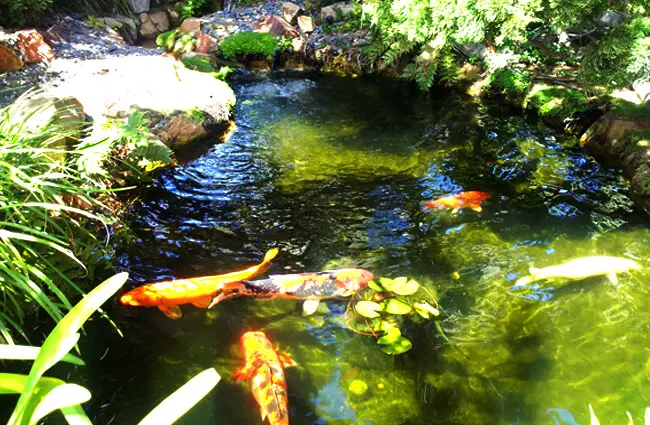
While originally from East Asia, Koi are now found worldwide in both private ponds and, occasionally, in the wild. In their natural habitat, Amur carp prefer slow‑moving, freshwater environments such as rivers, lakes, and ponds. They thrive in temperatures between 15 and 28 degrees Celsius. Koi in ponds require spacious environments with adequate oxygenation and filtration. A general rule of thumb is 250 to 500 gallons of water per Koi, depending on their size and number of fish. Wild populations are more resilient to environmental changes, but domesticated Koi are particularly sensitive to water quality and temperature fluctuations. They need ample space to swim and explore, and a varied substrate is appreciated.
Diet and Feeding Behavior
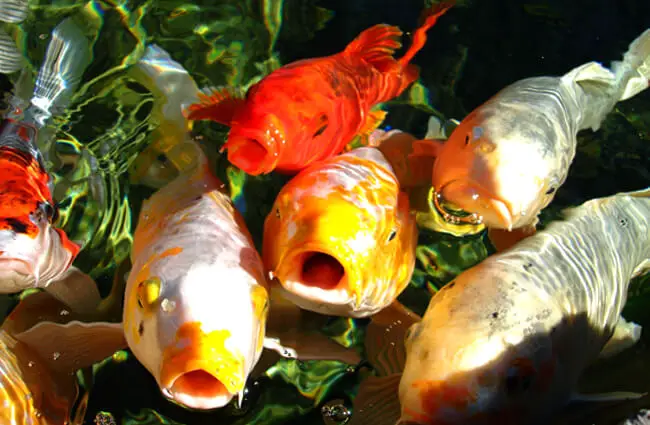
Koi are omnivores with a diverse diet. In the wild, they feed on algae, aquatic plants, insects, crustaceans, and small mollusks. Pond‑raised Koi are typically fed a commercially formulated diet consisting of pellets or flakes. These diets are specifically designed to meet their nutritional needs and enhance their color. A balanced diet should include carbohydrates, proteins, fats, and essential vitamins and minerals. Koi are opportunistic feeders and will actively search for food. They often surface feed, but also scavenge along the pond bottom. Supplementing their diet with natural foods like daphnia or bloodworms can provide additional nutrients and encourage natural foraging behaviors. Overfeeding is a common mistake and can lead to health problems and poor water quality.
Reproduction and Life Cycle
Koi reproduce through external fertilization. During the spawning season, typically in the spring, males will actively pursue females, nudging them to release their eggs. The eggs are deposited on aquatic plants or other suitable surfaces. The eggs are sticky and adhere to the substrate. Fertilization occurs almost immediately after the eggs are released. The eggs hatch within a few days, depending on water temperature. The newly hatched larvae, called fry, are very small and vulnerable. They feed on yolk sacs initially, then transition to microscopic organisms. Raising Koi fry requires careful attention to water quality and a supply of appropriate food. Reaching maturity takes several years, and the lifespan of Koi can exceed 50 years with proper care.
Ecological Role and Interactions
In their native habitats, Koi play an important role in the aquatic ecosystem. They help to control algae growth and contribute to nutrient cycling. They also serve as a food source for larger predators, such as birds and mammals. However, introduced Koi populations can sometimes disrupt native ecosystems. They can compete with native fish for resources and potentially introduce diseases. In pond environments, Koi contribute to the overall health of the ecosystem by aerating the water and consuming excess nutrients. They often coexist peacefully with other aquatic organisms, such as plants and invertebrates.
Koi and Human Culture
Koi hold significant cultural importance in Japan and other Asian countries. They are often seen as symbols of good luck, prosperity, and perseverance. The legend of the “Dragon Gate” tells of Koi swimming upstream to transform into dragons upon reaching a waterfall. This tale embodies the values of determination and achievement. Koi are frequently depicted in art, literature, and tattoos. They are also central to the traditional Japanese festival of Children’s Day, where Koi streamers are flown to symbolize strength and courage. The practice of Koi keeping has spread worldwide, becoming a popular hobby and a competitive sport.
Identifying Common Koi Varieties
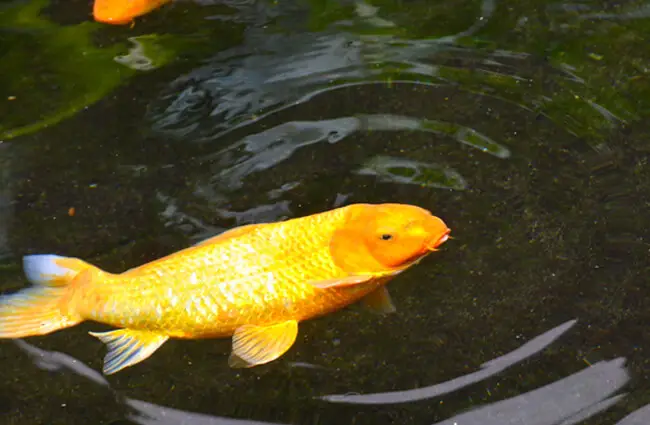
Koi come in a stunning array of colors and patterns. Some of the most popular varieties include:
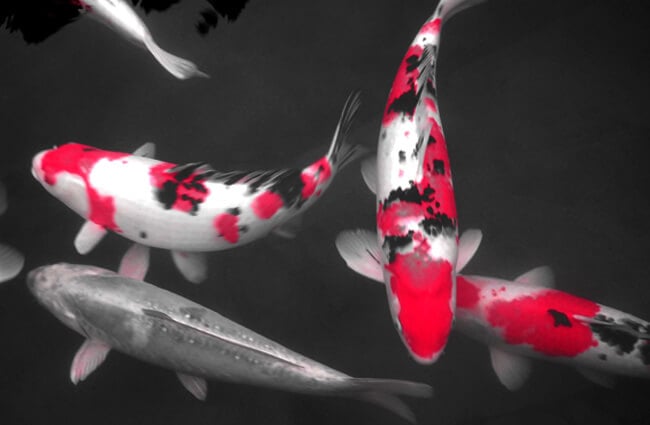
- Kohaku: White body with red markings.
- Sanke: White body with red and black markings.
- Showa Sanshoku: Black body with red and white markings.
- Utsurimono: Black body with white, red, or yellow markings.
- Tancho: Solid‑colored Koi with a single red marking on the head.
Judging Koi is a complex process that considers color, pattern, body shape, and overall quality.
Koi Keeping: A Guide for Beginners
Maintaining a healthy Koi pond requires dedication and attention to detail. Key considerations include:
- Pond Size and Depth: Ensure adequate space for the number of Koi you plan to keep.
- Filtration System: A robust filtration system is essential to maintain water quality.
- Aeration: Provide ample oxygenation through pumps, fountains, or air stones.
- Water Changes: Perform regular water changes to remove accumulated waste.
- Quarantine: Quarantine new Koi before introducing them to the main pond to prevent the spread of diseases.
Encountering Koi in the Wild
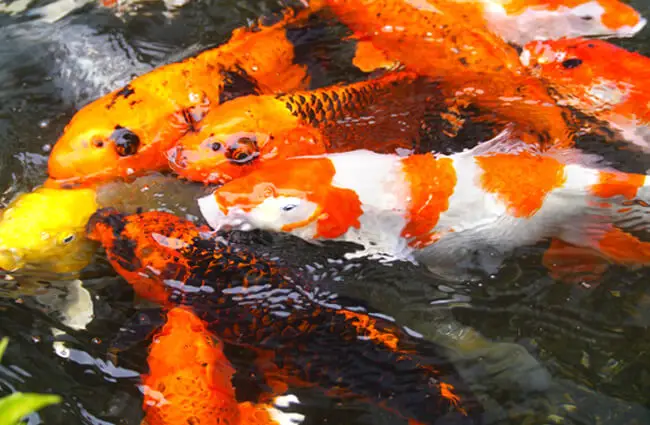
If you encounter Koi in a natural body of water, it is important to remember they are likely an introduced species. Avoid feeding them, as this can disrupt the natural ecosystem. Report any sightings to local environmental authorities. Do not attempt to capture or relocate them, as this may be illegal and harmful to the fish.
Caring for Koi in Captivity: A Zookeeper’s Perspective
In a zoological setting, Koi care requires strict protocols. Regular health checks are crucial, including parasite screenings and bacterial cultures. Diet should be carefully formulated to ensure optimal nutrition and color development. Water quality is paramount, requiring advanced filtration systems and frequent monitoring. Enrichment activities, such as introducing plants or creating underwater structures, can enhance the fish’s well‑being. Avoid overcrowding, as this can lead to stress and disease. Biosecurity measures are essential to prevent the introduction of pathogens.
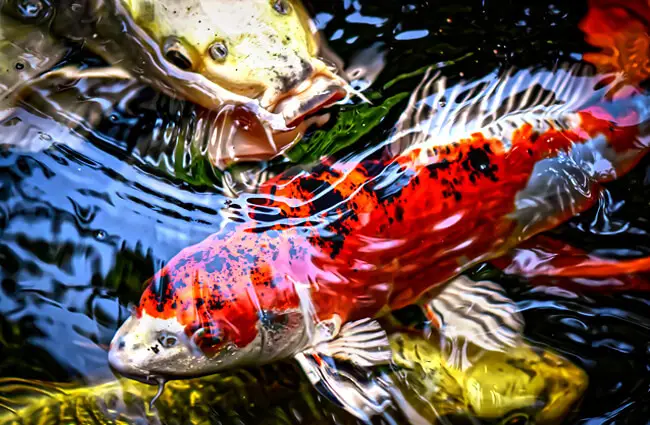
Koi are truly remarkable creatures, blending beauty, history, and ecological significance. Whether admired in a tranquil garden pond or studied by a zoologist, these “living jewels” continue to captivate and inspire. Understanding their origins, behaviors, and needs is essential for ensuring their well‑being and preserving their legacy for generations to come.
![Closeup of a beautiful Red Angus cowPhoto by: U.S. Department of Agriculture [pubic domain]https://creativecommons.org/licenses/by/2.0/](https://animals.net/wp-content/uploads/2020/03/Red-Angus-4-238x178.jpg "Red Angus")
![Closeup of a beautiful Red Angus cowPhoto by: U.S. Department of Agriculture [pubic domain]https://creativecommons.org/licenses/by/2.0/](https://animals.net/wp-content/uploads/2020/03/Red-Angus-4-100x75.jpg "Red Angus")