For millennia, the horse has held a unique position in the animal kingdom, interwoven with the history of humankind and a compelling subject for naturalists. More than just a mode of transportation or a working animal, the horse represents power, grace, and a deep connection to the natural world. This comprehensive guide delves into the fascinating world of horses, exploring their evolution, behavior, habitats, and their enduring relationship with humans.
A Majestic History: The Evolution of the Horse
The story of the horse is one of remarkable adaptation. Its origins can be traced back over 55 million years to the Eocene epoch, with Hyracotherium, a small, multi‑toed creature resembling a dog, considered its earliest ancestor. Over millions of years, through the forces of natural selection, horses evolved to become the large, single‑toed animals we know today. Key adaptations included changes in tooth structure suited for grazing on tough grasses and elongated legs for swift movement across open plains. Fossil records reveal a gradual increase in size and a reduction in the number of toes, culminating in the modern horse, Equus caballus.
Where Horses Roam: Habitats and Distribution
Today, horses exhibit incredible adaptability, thriving in a diverse range of habitats. While feral horses can be found in various environments, including deserts, grasslands, and forests, their natural range historically encompassed vast grasslands and open plains. Wild horse populations are primarily located in North America, Mongolia, and parts of Australia. The Przewalski’s horse, a truly wild species, is native to the steppes of Mongolia and is considered critically endangered. Domesticated horses, however, are found globally, a testament to their adaptability and utility.
Anatomy and Physiology: The Horse’s Form and Function
Horses are large mammals characterized by their powerful musculature, long legs, and strong hooves. Their skeletal structure is uniquely adapted for running, with flexible joints and a spring‑like ligament system that helps absorb shock. A horse’s height is measured in hands (one hand equals four inches) at the highest point of the shoulder, known as the withers. The average horse stands between 14 and 16 hands high. Their digestive system is specialized for processing plant matter, with a large cecum housing bacteria that break down cellulose. They are hindgut fermenters, meaning they digest fiber after it passes through the stomach and small intestine.
Diet and Nutrition: Fueling the Equine Athlete
Horses are herbivores, their diet consisting primarily of grasses, hay, and grains. Access to a constant supply of forage is crucial for maintaining a healthy digestive system. The ideal diet includes a variety of grasses and hay, supplemented with grains or concentrates to provide additional energy, particularly for working horses. Water is also essential, with a horse typically consuming 5 to 10 gallons per day. Salt and mineral licks should be provided to ensure they receive essential nutrients.
Social Behavior and Communication: Life in the Herd
Horses are highly social animals, living in herds with a defined social structure. The herd is typically led by a dominant mare, with other mares and their foals forming the core group. Stallions may lead smaller bachelor herds or attempt to join existing herds to breed. Communication within the herd relies on a combination of vocalizations, body language, and scent. Common vocalizations include neighs, whinnies, and snorts. Body language, such as ear position, tail swishing, and facial expressions, plays a vital role in conveying emotions and intentions.
Mating and Reproduction: Bringing New Foals into the World
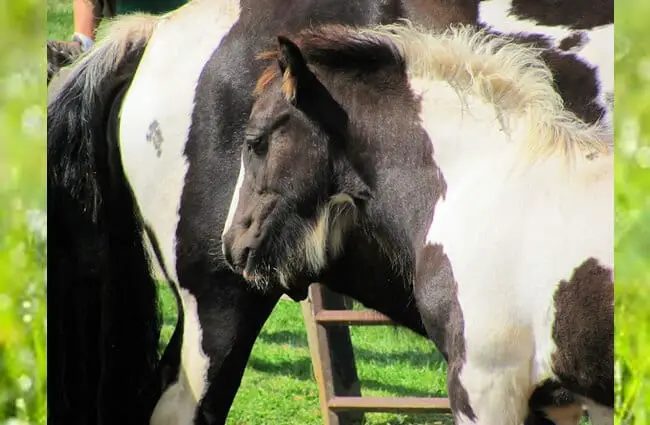
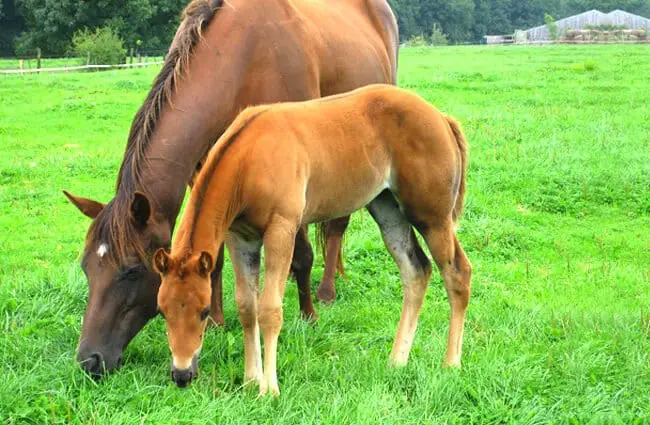
Horses typically breed in the spring and summer months. The mare is receptive to breeding, known as being in heat, for several days. The stallion courts the mare with displays of dominance and affection. Gestation lasts approximately 11 months, after which the mare gives birth to a foal. Foals are precocial, meaning they are born relatively well‑developed and able to stand and nurse within hours. The mare provides milk for several months, gradually introducing the foal to solid food. Foals typically remain with their mother for several years, learning essential social and survival skills.
Ecological Role and Interactions: Horses in the Ecosystem
Horses play a vital role in maintaining grassland ecosystems. Their grazing habits help prevent the encroachment of trees and shrubs, promoting biodiversity. They also disperse seeds through their droppings, contributing to plant propagation. Horses interact with a variety of other animals, including birds, insects, and mammals. Birds often feed on insects attracted to horses, while insects may feed on horses themselves. Horses may compete with other herbivores for resources.
Horses and Humans: A Longstanding Partnership
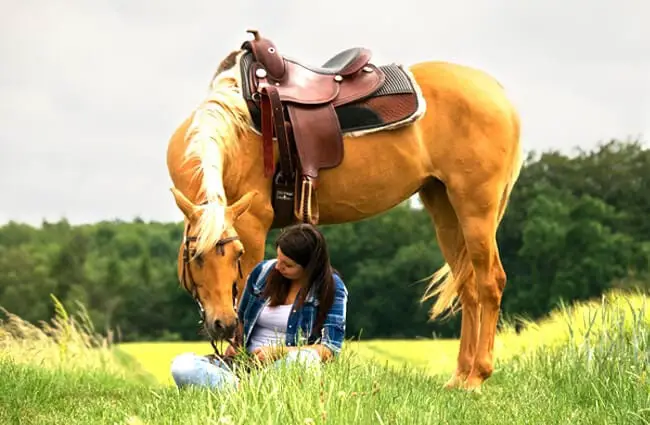
The relationship between horses and humans dates back thousands of years. Initially, horses were hunted for food. Later, they were domesticated for transportation, agriculture, and warfare. Horses have played a crucial role in human history, facilitating trade, communication, and exploration. Today, horses continue to be valued for recreational activities, such as riding, racing, and showing.
Horse Breeds: A Diversity of Forms and Functions
Over centuries of selective breeding, numerous horse breeds have emerged, each with unique characteristics and purposes. Some breeds, such as the Thoroughbred, are known for their speed and athleticism, excelling in racing. Others, such as the Clydesdale, are powerful draft horses used for pulling heavy loads. Still others, such as the Arabian, are prized for their endurance and elegance. Examples include the American Quarter Horse, known for its agility and ability to perform short sprints, and the Morgan horse, a versatile breed known for its strength and endurance.
Horse Care in Captivity: Ensuring Well‑Being
Caring for horses in captivity requires a comprehensive understanding of their physical and behavioral needs. Horses need a spacious stable or pasture, regular exercise, a balanced diet, and preventative healthcare. Regular hoof trimming, dental care, and vaccinations are essential. Horses also require social interaction, ideally with other horses. Careful attention to their environment and social needs can help ensure their well‑being in captivity.
Horse Encounters in the Wild: Safety and Observation
If encountering horses in the wild, it’s crucial to maintain a safe distance and avoid approaching them. Wild horses may be protective of their territory and foals. Observe them from afar, respecting their space. Never attempt to feed them, as this can alter their natural foraging behavior. If a horse approaches you, remain calm and avoid direct eye contact. Slowly back away, giving the horse plenty of room.
Fascinating Horse Facts: A Collection of Equine Wonders
Horses possess remarkable sensory abilities, with a wide field of vision and acute hearing. They can sleep both standing up and lying down. A horse’s heart weighs approximately 8 to 10 pounds. They have a complex social hierarchy and can recognize and remember other horses for years. Horses can communicate with each other through a variety of vocalizations and body language cues. A horse’s teeth continue to grow throughout its life. The oldest known horse lived to be 62 years old.
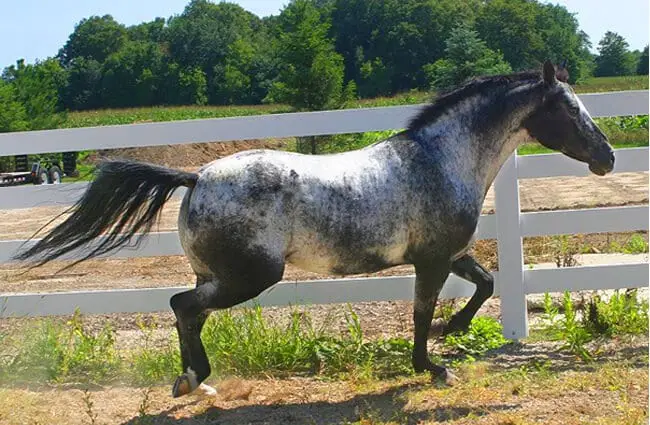
The horse remains an iconic and captivating creature, embodying power, grace, and a profound connection to the natural world. From its evolutionary origins to its enduring partnership with humans, the horse continues to inspire awe and admiration. Understanding its biology, behavior, and ecological role is essential for ensuring its continued well‑being and preserving its legacy for generations to come.
![Closeup of a beautiful Red Angus cowPhoto by: U.S. Department of Agriculture [pubic domain]https://creativecommons.org/licenses/by/2.0/](https://animals.net/wp-content/uploads/2020/03/Red-Angus-4-238x178.jpg "Red Angus")
![Closeup of a beautiful Red Angus cowPhoto by: U.S. Department of Agriculture [pubic domain]https://creativecommons.org/licenses/by/2.0/](https://animals.net/wp-content/uploads/2020/03/Red-Angus-4-100x75.jpg "Red Angus")