Unmasking the Desert’s Spiky Enigma: The Horny Toad
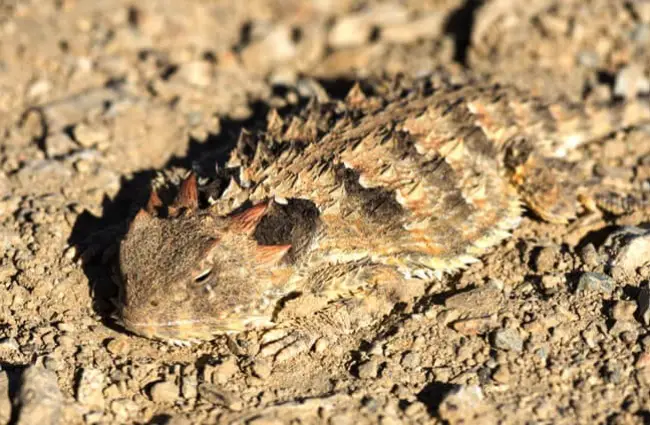
Often mistaken for an amphibian, the creature affectionately known as the “Horny Toad” is, in fact, a fascinating reptile. These unique inhabitants of arid landscapes are not toads at all, but rather a group of lizards belonging to the genus Phrynosoma, commonly referred to as horned lizards. Their distinctive appearance, characterized by a flattened body and an array of formidable spines and horns adorning their heads and backs, makes them instantly recognizable and a true marvel of natural adaptation.
A Misnomer Explained: Lizard, Not Toad
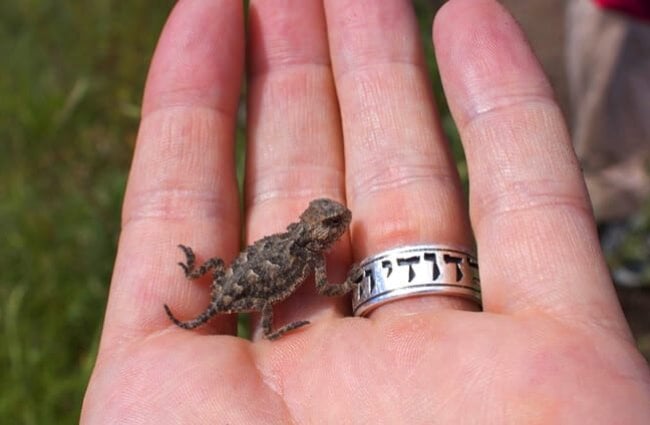
The common name “Horny Toad” stems from their toad-like, squat body shape and their tendency to inflate themselves when threatened, further mimicking a toad. However, their scaly skin, claws, and reproductive methods firmly place them within the reptilian class. Understanding this fundamental distinction is the first step to appreciating these incredible animals for what they truly are: highly specialized lizards perfectly adapted to their often harsh environments.
Where the Horned Lizards Roam: Habitat and Distribution
Horned lizards are primarily found across the arid and semi-arid regions of North America, extending from southern Canada through the western and central United States, and deep into Mexico. Their preferred habitats are diverse but consistently dry, including deserts, grasslands, scrublands, and even mountainous areas with suitable sandy or loose soil. They thrive in environments where sunlight is abundant for basking and where their primary food source, ants, is plentiful.
Finding a Horny Toad in the Wild
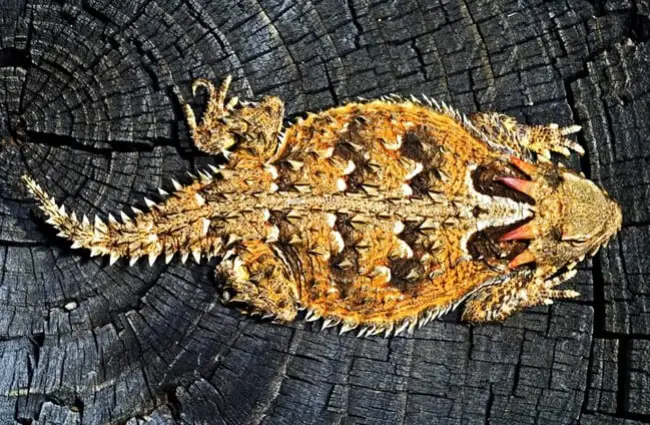
For the enthusiastic animal lover hoping to spot a horned lizard, patience and keen observation are key. These masters of camouflage blend seamlessly with their surroundings. Look for them in areas with:
- Sandy or Loamy Soils: They often burrow into loose soil to regulate body temperature or escape predators.
- Sparse Vegetation: Open areas allow them to bask and hunt for ants more effectively.
- Ant Mounds: A sure sign of their preferred food source.
- Warm, Sunny Days: They are most active during the day, especially when temperatures are warm but not excessively hot.
Early mornings and late afternoons are often the best times to find them basking or foraging. Remember to observe from a distance and avoid disturbing them.
The Horned Lizard Diet: A Specialized Palate
The diet of most horned lizard species is remarkably specialized, revolving almost exclusively around ants. This myrmecophagous diet means they have evolved unique adaptations to consume large quantities of these small, often venomous, insects. Their broad, flat bodies and short snouts are perfect for scooping up ants with a sticky tongue. While ants form the bulk of their diet, some species may occasionally supplement their meals with other small insects like beetles, grasshoppers, or spiders.
Digestive Adaptations for an Ant-Heavy Menu
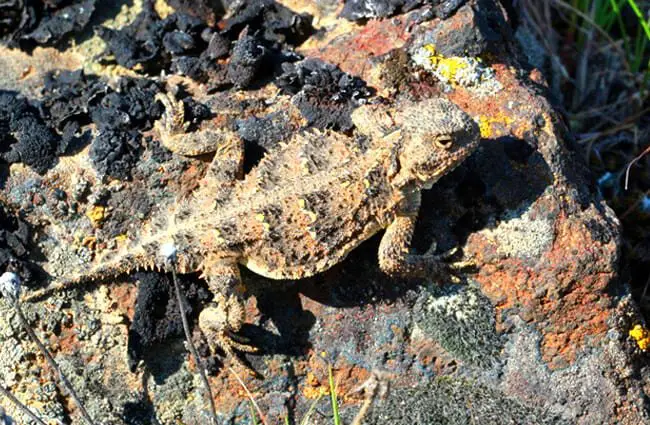
Consuming thousands of ants, many of which contain formic acid, requires a robust digestive system. Horned lizards possess a specialized stomach lining that can neutralize the formic acid, allowing them to process their unique diet efficiently. This dietary specialization highlights their integral role in controlling ant populations within their ecosystems.
Life Cycle and Reproduction: Spreading the Spiky Legacy
The mating and reproduction process of horned lizards is a fascinating annual event, typically occurring in spring or early summer after they emerge from brumation (a state of inactivity similar to hibernation). Males often engage in head-bobbing displays and other courtship rituals to attract females.
Egg-Laying vs. Live Birth
Reproductive strategies vary among species:
- Oviparous Species: Most horned lizards are oviparous, meaning females lay clutches of 10 to 30 eggs in burrows dug in sandy soil. The eggs incubate for several weeks, relying on ambient soil temperature for development.
- Viviparous Species: Some species, particularly those found in higher altitudes or cooler climates, are viviparous, giving birth to live young. This adaptation provides greater protection for the developing embryos against harsh environmental conditions.
Hatchlings or live-born young are miniature versions of the adults, immediately independent and equipped with their characteristic horns and spines for defense.
Evolutionary Journey: A Story of Spines and Survival
The evolutionary history of horned lizards is a testament to natural selection shaping remarkable adaptations for survival in challenging environments. Their lineage can be traced back millions of years, with fossil records indicating their presence in North America for at least 40 million years. The development of their distinctive horns and spines is a classic example of convergent evolution, where similar traits evolve independently in different species due to similar environmental pressures.
Defensive Adaptations: Beyond the Spines
While the horns and spines are their most obvious defense, horned lizards possess an arsenal of other survival tactics:
- Camouflage: Their flattened bodies and cryptic coloration allow them to blend seamlessly with the desert floor, making them incredibly difficult to spot.
- Burrowing: They can rapidly burrow into loose soil, disappearing from sight to escape predators or regulate body temperature.
- Inflation: When threatened, they can inflate their bodies, making themselves appear larger and more difficult for predators to swallow.
- Blood Squirting: Perhaps their most astonishing defense mechanism, some species can squirt streams of blood from their eyes. This blood contains noxious chemicals, deterring canids (like coyotes and foxes) and other predators. This unique adaptation is a powerful deterrent, often startling and repelling attackers.
Ecosystem Role and Interactions with Other Animals
Horned lizards play a crucial role in their ecosystems, primarily as specialized predators of ants. By consuming vast numbers of ants, they help regulate insect populations, preventing any single species from dominating. They also serve as a food source for a variety of predators, including:
- Snakes (e.g., coachwhips, rattlesnakes)
- Birds of prey (e.g., roadrunners, shrikes, hawks)
- Mammals (e.g., coyotes, foxes, badgers)
Their defensive adaptations are specifically geared towards deterring these predators, showcasing the intricate web of life in their desert homes.
Horny Toads and Human Culture: A Symbol of the Southwest
These charismatic lizards have long held a special place in human culture, particularly in the American Southwest and Mexico. They are often depicted in Native American art and folklore, symbolizing resilience, protection, and the spirit of the desert. In more modern times, they have become mascots for sports teams, featured in local art, and even inspired legends. Their unique appearance and intriguing behaviors have cemented their status as an iconic symbol of arid landscapes.
Interaction with Humans and Conservation Status
Human interaction with horned lizards is a complex topic. Historically, they were abundant, but many species are now facing significant population declines due to habitat loss, pesticide use (which decimates their ant food source), and the illegal pet trade. Their slow movement and reliance on specific habitats make them particularly vulnerable to human encroachment.
What to Do if You Encounter a Horny Toad
If you are fortunate enough to encounter a horned lizard in the wild:
- Observe from a Distance: Do not attempt to touch, pick up, or harass the animal.
- Do Not Feed: Wild animals should never be fed by humans.
- Respect Their Space: Give them ample room to move freely.
- Report Sightings (if applicable): In some areas, conservation groups track sightings of endangered species.
- Never Remove from the Wild: It is illegal and harmful to the animal and the ecosystem.
Their survival depends on respectful coexistence and conservation efforts.
Conservation Efforts
Many horned lizard species are listed as threatened or endangered. Conservation efforts focus on:
- Habitat Preservation: Protecting their natural desert and grassland habitats from development and degradation.
- Pesticide Reduction: Advocating for reduced use of pesticides that harm ant populations.
- Public Education: Raising awareness about their ecological importance and the threats they face.
- Captive Breeding Programs: For some critically endangered species, breeding programs are attempting to bolster populations for potential reintroduction.
Caring for Horny Toads in Captivity: A Zookeeper’s Guide
Caring for horned lizards in a captive environment, such as a zoo, requires specialized knowledge and dedication due to their unique dietary and environmental needs. It is crucial to replicate their natural habitat as closely as possible.
Essential Zookeeper Tasks
- Habitat Replication:
- Provide a spacious enclosure with deep, loose substrate (sand and soil mix) for burrowing.
- Offer multiple basking spots with appropriate heat lamps and UV-B lighting, essential for calcium metabolism.
- Maintain a temperature gradient, mimicking their natural environment, with cooler areas for retreat.
- Dietary Management:
- Supply a consistent and varied diet of live ants, ideally native species, to meet their specific nutritional requirements.
- Supplement with other small insects (e.g., small crickets, mealworms) dusted with calcium and vitamin supplements, but ants should remain the primary food source.
- Monitor food intake closely to ensure adequate nutrition.
- Hydration:
- Provide shallow water dishes, though they often absorb water through their skin from damp substrate or dew.
- Misting the enclosure lightly can simulate morning dew.
- Health Monitoring:
- Regularly observe behavior for signs of illness, stress, or injury.
- Monitor weight and body condition.
- Provide routine veterinary check-ups by a reptile specialist.
- Enrichment:
- Offer naturalistic elements like rocks and branches for climbing and hiding.
- Vary feeding locations to encourage natural foraging behaviors.
What Zookeepers Should Avoid
- Inappropriate Diet: Feeding only crickets or other common feeder insects without a primary ant diet will lead to severe nutritional deficiencies and health problems.
- Incorrect Substrate: Gravel or coarse substrates can cause impaction or injury.
- Lack of UV-B Lighting: Essential for vitamin D3 synthesis and calcium absorption; without it, metabolic bone disease is inevitable.
- Overhandling: Horned lizards are easily stressed by excessive handling.
- Cohabitation Issues: Housing multiple individuals without adequate space or resources can lead to stress and aggression.
- Wild-Caught Specimens: Avoid acquiring wild-caught individuals due to stress, potential parasites, and conservation concerns. Focus on captive-bred animals from reputable sources.
Fascinating Facts About Horny Toads
- Not a Toad: Despite the name, they are true lizards, belonging to the genus Phrynosoma.
- Blood-Squirting Defense: Some species can squirt blood from their eyes up to 5 feet to deter predators.
- Ant Specialists: Their diet consists almost entirely of ants, which they consume in large quantities.
- Masters of Camouflage: Their flattened bodies and cryptic coloration allow them to blend perfectly with their desert surroundings.
- Rapid Burrowers: They can quickly burrow into loose soil to escape danger or regulate body temperature.
- Temperature Regulation: They are ectotherms, relying on external heat sources, and will bask in the sun or seek shade as needed.
- “False Horns”: The “horns” on their heads are actually modified scales, not true horns like those on mammals.
- Varied Sizes: Species range in size, with some being only a few inches long and others reaching up to 8 inches.
- Long Lifespan: In captivity, with proper care, some horned lizards can live for 5 to 8 years, or even longer.
- Cultural Significance: Revered in Native American cultures as symbols of the desert and protection.
Conclusion: Guardians of the Arid Lands
The Horny Toad, or horned lizard, is far more than just a spiky curiosity of the desert. It is a testament to the power of evolution, a specialized predator playing a vital role in its ecosystem, and a creature deeply woven into the cultural fabric of the American Southwest. Understanding and appreciating these unique reptiles is crucial for their continued survival. By respecting their habitats, supporting conservation efforts, and educating ourselves and others, we can ensure that these fascinating “toads” continue to thrive, inspiring awe and wonder for generations to come.
![Closeup of a beautiful Red Angus cowPhoto by: U.S. Department of Agriculture [pubic domain]https://creativecommons.org/licenses/by/2.0/](https://animals.net/wp-content/uploads/2020/03/Red-Angus-4-238x178.jpg "Red Angus")

![Closeup of a beautiful Red Angus cowPhoto by: U.S. Department of Agriculture [pubic domain]https://creativecommons.org/licenses/by/2.0/](https://animals.net/wp-content/uploads/2020/03/Red-Angus-4-100x75.jpg "Red Angus")