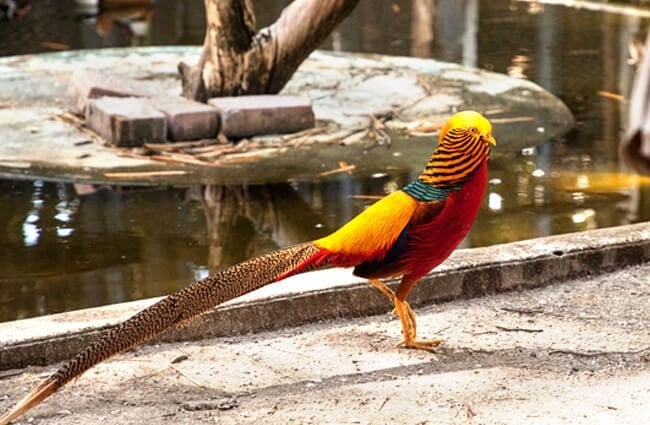
The Golden Pheasant, a bird of breathtaking beauty, holds a unique place in both the natural world and human culture. Native to the mountainous regions of western China, this striking bird is celebrated for the male’s incredibly vibrant plumage. Beyond its aesthetic appeal, the Golden Pheasant plays an important role in its ecosystem and boasts a fascinating history and behavior. This comprehensive guide explores every facet of this captivating creature, from its evolutionary origins to practical advice for encountering one in the wild or caring for it in captivity.
A Glimpse into the World of the Golden Pheasant
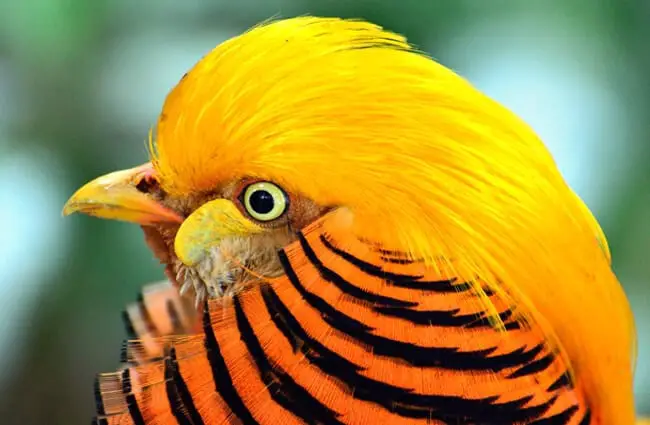
The Golden Pheasant, scientifically known as Chrysolophus pictus, is a large, ground-dwelling pheasant renowned for its dazzling coloration. It belongs to the family Phasianidae, which also includes peacocks, partridges, and chickens. While instantly recognizable, understanding its evolutionary history and ecological role provides a deeper appreciation for this remarkable bird.
Evolutionary History and Taxonomy
The origins of the Golden Pheasant can be traced back to ancient avian lineages in Asia. Its closest relatives are other pheasant species found throughout the continent. Over time, through natural selection, the Golden Pheasant evolved its distinctive features, particularly the male’s elaborate plumage, which likely plays a key role in attracting mates. The species’ current taxonomic classification reflects its unique genetic and morphological characteristics, distinguishing it from other pheasant varieties.
Habitat and Distribution
Golden Pheasants are endemic to temperate forests and mountainous regions of western China. They prefer dense, old-growth forests with understory, providing cover from predators and abundant foraging opportunities. These birds typically reside at altitudes ranging from 1,000 to 3,000 meters. Within their native range, they have adapted to thrive in specific microhabitats, demonstrating a remarkable level of ecological specialization. Introduced populations now exist in other parts of the world, including Great Britain, the United States, and Canada, but these are generally localized and often the result of releases from private collections.
Life Cycle and Behavior
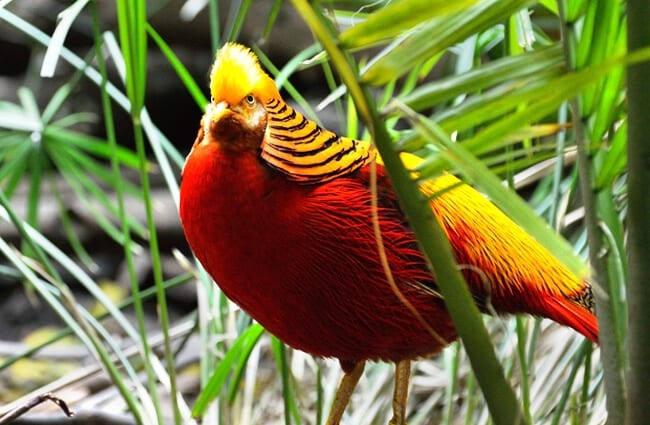
The Golden Pheasant exhibits a fascinating array of behaviors, from its elaborate courtship displays to its foraging strategies. Understanding these behaviors is essential to appreciating its place in the ecosystem.
Diet and Foraging
Golden Pheasants are omnivorous, with a diet that varies seasonally. During the warmer months, they primarily feed on seeds, grains, buds, and insects. In the winter, when insects are scarce, their diet shifts to mainly vegetation. They forage on the ground, scratching the leaf litter to uncover seeds and invertebrates. Their strong legs and feet are well adapted for this activity. They also consume berries and other fruits when available. The availability of food directly influences their breeding success and overall health.
Mating and Reproduction
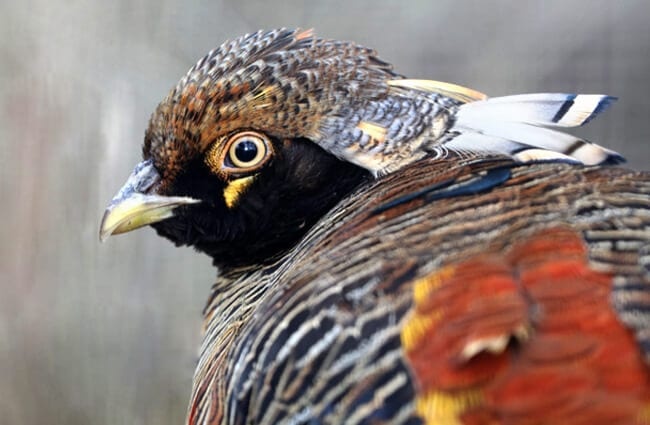
The breeding season for Golden Pheasants typically occurs in spring. Males attract females with elaborate courtship displays, involving vocalizations, strutting, and the display of their vibrant plumage. They often gather in leks, where they compete for the attention of females. After mating, the female builds a nest on the ground, concealed among vegetation. She typically lays 8 to 12 eggs, which she incubates for around 23 to 25 days. The chicks are precocial, meaning they are relatively independent at birth and can follow their mother soon after hatching. The young birds remain with their mother for several months, learning essential foraging and survival skills.
Social Structure and Communication
Outside of the breeding season, Golden Pheasants are typically solitary or live in small groups. They communicate through a variety of vocalizations, including calls used to attract mates, warn of danger, and maintain contact with other birds. They also use visual displays, such as fluffing feathers, to communicate their mood and intentions. Understanding their communication signals is crucial for interpreting their behavior and interactions.
Ecological Role and Interactions
Golden Pheasants play an important role in their ecosystem, contributing to seed dispersal and serving as prey for predators.
Predators and Threats
Golden Pheasants are vulnerable to a variety of predators, including foxes, martens, eagles, and hawks. Their camouflage and ability to take flight help them avoid predation, but they remain susceptible, especially when young. Habitat loss and fragmentation pose significant threats to their population. Hunting, while regulated in some areas, also contributes to their decline. Introduced species can compete with them for resources or prey on their eggs and chicks.
Impact on Ecosystem
As seed dispersers, Golden Pheasants contribute to the health and diversity of their forest habitat. They consume seeds and fruits and deposit them in new locations through their droppings. They also help control insect populations. Their presence indicates a healthy and functioning ecosystem. Any disruption to their population can have cascading effects on the environment.
Golden Pheasants and Humans
Throughout history, Golden Pheasants have held cultural significance and have been subject to both admiration and exploitation.
Cultural Significance
In Chinese culture, the Golden Pheasant is considered a symbol of beauty, good fortune, and marital happiness. It is often depicted in art, literature, and folklore. Its vibrant plumage is associated with prosperity and vitality. In some regions, it is revered for its spiritual significance.
Conservation Status
The Golden Pheasant is currently listed as Least Concern by the International Union for Conservation of Nature (IUCN). However, its population is declining due to habitat loss and hunting. Conservation efforts focus on protecting its habitat, regulating hunting, and promoting sustainable land use practices. International collaborations are essential to ensure its long term survival.
Encountering Golden Pheasants in the Wild
If you are fortunate enough to encounter a Golden Pheasant in the wild, observe it from a distance and avoid disturbing its natural behavior. Do not attempt to approach or feed it. Remain quiet and still, and allow the bird to move freely. Document your sighting with photographs or notes, and report it to local conservation organizations. Your observations can contribute valuable data to ongoing monitoring and research efforts.
Caring for Golden Pheasants in Captivity
For zookeepers and aviculturists, providing appropriate care for Golden Pheasants requires specialized knowledge and attention to detail.
Habitat and Enrichment
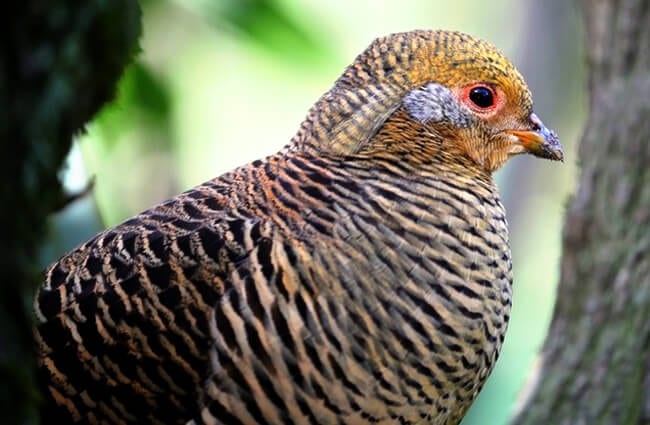
Captive Golden Pheasants require spacious enclosures that mimic their natural habitat. These enclosures should include dense vegetation, elevated perches, and areas for foraging and dust bathing. Enrichment activities, such as providing novel food items and changing the layout of the enclosure, can stimulate their natural behaviors and prevent boredom. Regular cleaning and maintenance are essential to maintain a healthy environment.
Diet and Nutrition
A balanced diet is crucial for the health and well‑being of captive Golden Pheasants. This diet should include high‑quality game bird feed, supplemented with fresh fruits, vegetables, and insects. Grit should be provided to aid in digestion. Water should be clean and readily available at all times. Consult with a veterinarian or avian nutritionist to ensure that the diet meets the bird’s specific needs.
Health and Veterinary Care
Regular veterinary checkups are essential to monitor the health of captive Golden Pheasants. Vaccinations and parasite control measures should be administered as needed. Any signs of illness, such as lethargy, loss of appetite, or abnormal droppings, should be reported to a veterinarian immediately. Quarantine procedures should be followed for any new birds introduced to the collection.
The Golden Pheasant, with its radiant beauty and ecological importance, continues to captivate and inspire. By understanding its natural history, behaviors, and conservation needs, we can ensure that this magnificent bird thrives for generations to come.
![Closeup of a beautiful Red Angus cowPhoto by: U.S. Department of Agriculture [pubic domain]https://creativecommons.org/licenses/by/2.0/](https://animals.net/wp-content/uploads/2020/03/Red-Angus-4-238x178.jpg "Red Angus")
![Closeup of a beautiful Red Angus cowPhoto by: U.S. Department of Agriculture [pubic domain]https://creativecommons.org/licenses/by/2.0/](https://animals.net/wp-content/uploads/2020/03/Red-Angus-4-100x75.jpg "Red Angus")