A Comprehensive Guide to Ferrets
Ferrets, with their playful nature and inquisitive eyes, have captivated humans for centuries. Often described as a delightful blend of snake-like flexibility and mammalian charm, these mustelids, members of the same family as weasels, badgers, and otters, are far more complex and fascinating than many realize. This guide delves into the world of ferrets, exploring their history, behavior, biology, and their unique place in both the wild and our lives.
Origins and Evolution
Tracing the Family Tree
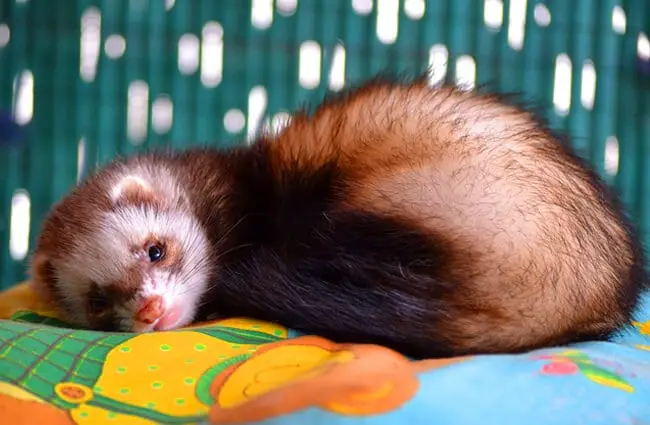
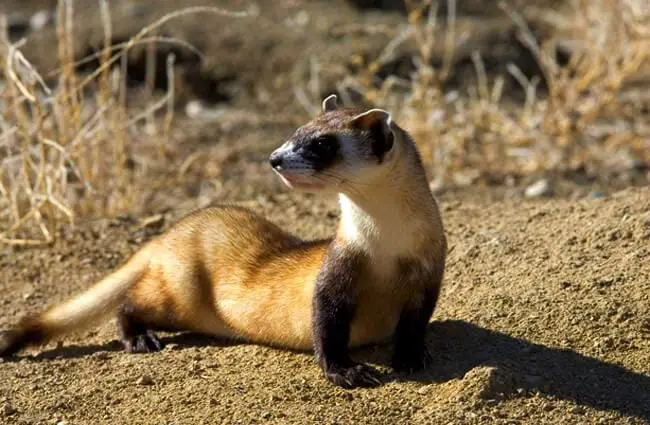
The evolutionary history of ferrets is closely tied to the European polecat, Mustela putorius. Domestication is believed to have begun over 2,500 years ago, possibly for pest control and hunting, with evidence suggesting early use during Roman times. Over time, selective breeding resulted in the distinct characteristics we see in domestic ferrets today – variations in size, color, and temperament. While often referred to as a distinct species, the domestic ferret, Mustela putorius furo, is generally considered a domesticated form of the European polecat, capable of interbreeding. The black-footed ferret, Mustela nigripes, is a separate, endangered species native to North America and represents a different evolutionary lineage.
Habitat and Distribution
Wild Ferrets: The Black-Footed Ferret
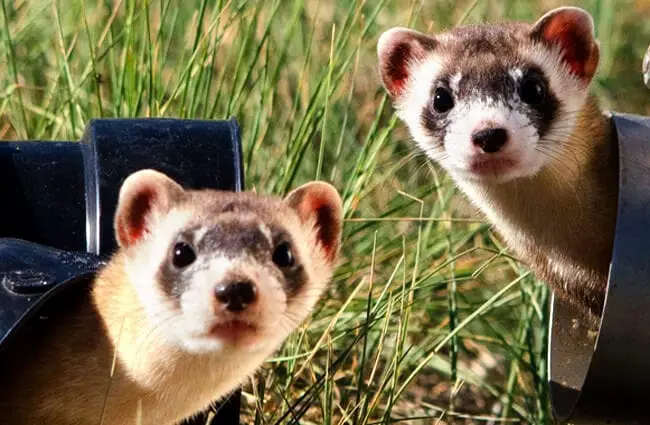
The black-footed ferret historically inhabited the Great Plains of North America, relying heavily on prairie dog colonies for food and shelter. These ferrets require vast open grasslands to thrive. Habitat loss due to agriculture and urbanization, combined with the decline of prairie dog populations, often intentionally eradicated as agricultural pests, led to a dramatic decline in black-footed ferret numbers. A dedicated recovery program, including captive breeding and reintroduction efforts, is ongoing to help restore this native species.
Domestic Ferrets: Worldwide Companions
Domestic ferrets can be found worldwide as pets. They are entirely dependent on humans for care and survival. Unlike their wild counterparts, they are adapted to living in close proximity to people and rely on provided food, shelter, and veterinary care. Their adaptability has allowed them to thrive in a variety of climates, provided they have appropriate housing and environmental control.
Diet and Hunting Behavior
Natural Diet in the Wild
In the wild, the black-footed ferret is a carnivore, with prairie dogs constituting up to 90 percent of its diet. They are obligate carnivores, meaning they require meat to survive. They will also prey on rodents, rabbits, and birds when available. Their digestive system is relatively short, reflecting the ease with which they process animal protein.
Dietary Needs of Domestic Ferrets
Domestic ferrets require a high-protein, high-fat, low-fiber diet. Commercial ferret food, specifically formulated to meet their nutritional requirements, is the best option. These foods typically contain animal-based proteins, fats, and essential vitamins and minerals. Avoid foods high in fiber, sugar, or grains, as these can cause digestive upset. Treats should be given sparingly and should consist of animal protein sources. Providing a consistent and balanced diet is crucial for maintaining their health and well-being.
Behavior and Social Structure
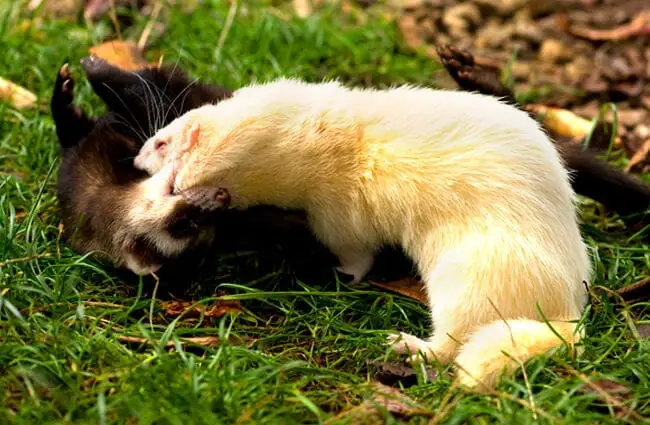
Ferrets are known for their playful and curious nature. They are intelligent animals with a distinctive “weasel war dance”, a series of hops, skips, and twists that expresses excitement and playfulness. They are also adept at digging and tunneling, a behavior inherited from their ancestors. Domestic ferrets are generally social animals and can be kept in pairs or small groups, provided they have enough space and enrichment. They require a significant amount of daily playtime and interaction to prevent boredom and behavioral problems.
Reproduction and Life Cycle
Mating and Gestation
Ferrets exhibit induced ovulation, meaning that mating stimulates the release of eggs. Females, known as jills, can be in estrus for several weeks and may cycle frequently. Males, known as hobs, will persistently court the jill during this time. Gestation lasts approximately 42 days. Litter size typically ranges from 3 to 7 kits.
Raising Kits
Kits are born blind and helpless, relying entirely on their mother for care. They are weaned at around 6-8 weeks of age and become independent at around 3-4 months. Early socialization is important for developing well-adjusted adults. It’s important to note that, unless spayed or neutered, ferrets will continue to cycle and exhibit breeding behaviors. Spaying or neutering is recommended for both health and behavioral reasons.
Ferrets and the Ecosystem
In their natural environment, black-footed ferrets play a vital role in controlling prairie dog populations. They also help to regulate populations of other rodents and small mammals. Their presence contributes to the overall health and stability of the prairie ecosystem. However, due to their endangered status, their ecological impact is currently limited to reintroduction areas. Domestic ferrets, as non-native animals, do not have a significant impact on ecosystems.
Ferrets and Humans: A Long History
Humans have interacted with ferrets for millennia. They were initially valued for their hunting abilities, used to control rodent populations and drive game animals from their burrows. Over time, they became popular pets, prized for their playful personalities and affectionate nature. Today, ferrets continue to be cherished companions, providing joy and entertainment to millions of people worldwide.
Encountering Ferrets in the Wild
If you encounter a black-footed ferret in the wild, it is crucial to observe it from a distance and avoid disturbing it. Report the sighting to local wildlife authorities, as these sightings are rare and important for monitoring recovery efforts. Do not attempt to approach or handle the animal, as it may be frightened or injured. If you suspect a ferret is injured or in distress, contact a wildlife rehabilitation center immediately.
Caring for Ferrets in Captivity
Providing adequate care for captive ferrets requires a commitment to their physical and emotional well-being. This includes providing a spacious and secure cage, a balanced diet, regular veterinary checkups, and plenty of opportunities for play and socialization. Enrichment items, such as tunnels, toys, and digging boxes, are essential for preventing boredom and promoting mental stimulation. Regular cleaning of the cage is crucial for maintaining hygiene and preventing disease. Ferrets are prone to certain health problems, such as adrenal disease and insulinoma, so early detection and treatment are vital.
Fascinating Ferret Facts
- Ferrets can sleep up to 75 percent of the day.
- They have scent glands that produce a musky odor, which can be reduced through descenting (a controversial practice).
- Ferrets are crepuscular, meaning they are most active at dawn and dusk.
- Their flexible bodies allow them to squeeze into surprisingly small spaces.
- Ferrets have non-retractable claws.
- They can be litter box trained.
- Ferrets are known to ‘dook’, a soft chuckling sound they make when happy or excited.
Conclusion
Ferrets are captivating creatures with a rich history and a unique set of characteristics. Understanding their biology, behavior, and needs is essential for ensuring their well-being and preserving their place in the natural world. Their playful spirit and endearing personalities make them truly special members of the animal kingdom.
![Closeup of a beautiful Red Angus cowPhoto by: U.S. Department of Agriculture [pubic domain]https://creativecommons.org/licenses/by/2.0/](https://animals.net/wp-content/uploads/2020/03/Red-Angus-4-238x178.jpg "Red Angus")
![Closeup of a beautiful Red Angus cowPhoto by: U.S. Department of Agriculture [pubic domain]https://creativecommons.org/licenses/by/2.0/](https://animals.net/wp-content/uploads/2020/03/Red-Angus-4-100x75.jpg "Red Angus")