
Eagles. The very name evokes images of power, freedom, and keen vision. These magnificent birds of prey reign supreme in the skies across much of the globe, captivating observers with their hunting prowess and majestic presence. This comprehensive guide delves into the world of eagles, exploring their biology, behavior, ecological role, and cultural significance.
What is an Eagle? A Broad Overview
Eagles are large, powerfully built birds of prey belonging to the family Accipitridae. They are characterized by exceptionally sharp talons, strong beaks, and acute eyesight. While the word “eagle” is often used generically, it does not refer to a single taxonomic group. Instead, the term generally covers species in genera such as Aquila, Haliaeetus, Circaetus, and others that share similar size, behavior, and ecological roles. Over 60 species of eagles are found worldwide, exhibiting a remarkable range of sizes, colors, and habitats.
Physical Characteristics
Eagles vary in size, but all share common traits. Their wingspans range from approximately five feet to more than eight feet in some species, enabling soaring flight. Their weight can range from a few pounds to over 20 pounds. Plumage varies, but many eagles have dark brown or black feathers, often with white heads or tails. Perhaps the most remarkable feature is their eyesight. Eagles possess incredible visual acuity, estimated to be four to eight times sharper than that of humans. This allows them to spot prey from great distances. Their talons are also formidable weapons, perfectly adapted for grasping and carrying prey.
Habitat and Distribution
Eagles exhibit a broad geographic distribution, inhabiting diverse ecosystems across North America, Europe, Asia, Africa, and Australia. They occupy a wide range of habitats, including forests, mountains, grasslands, deserts, and coastal areas. Habitat selection often depends on the species and the availability of prey.
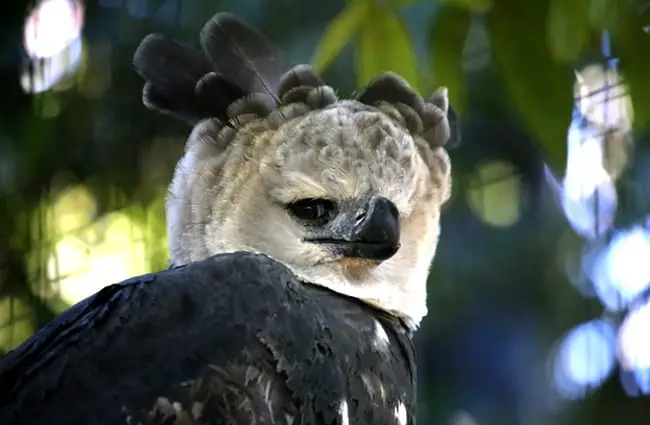
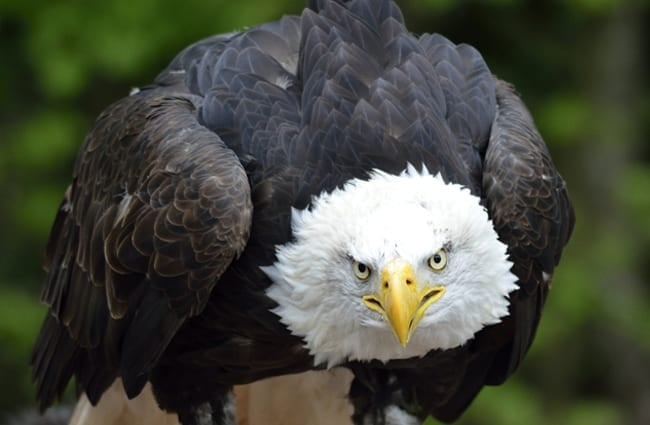
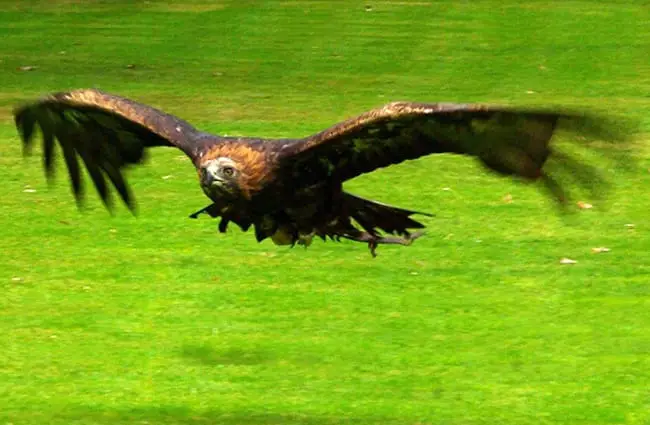
For example, the Bald Eagle is commonly found near large bodies of water in North America, where it can access fish. Golden Eagles prefer open and mountainous terrains, where they can soar and hunt small mammals. Harpy Eagles, native to the rainforests of Central and South America, build massive nests high in the canopy.
Diet and Hunting Strategies
Eagles are carnivorous, and their diet primarily consists of fish, mammals, birds, and reptiles. The specific prey items vary depending on the species and its habitat. Some eagles are opportunistic feeders, scavenging on carrion when available.
Hunting strategies are equally diverse. Many eagles employ a technique called “contour hunting,” where they soar at high altitudes, scanning the ground for prey. Once a target is spotted, they dive down with incredible speed and accuracy, seizing their prey with powerful talons. Other species ambush prey from concealed perches or steal food from other animals. Fish‑eating eagles often snatch fish directly from the water. The Steppe Eagle, for instance, is well known for its ability to pursue and capture small mammals in open grasslands.
Reproduction and Life Cycle
Eagles are generally monogamous, forming long‑term pair bonds that can last for life. They typically mate for life and return to the same nesting site year after year. Breeding season varies depending on the species and geographic location.
Eagles construct massive nests, known as eyries, which are typically built in trees, on cliffs, or on artificial structures. These nests can be several feet wide and may weigh hundreds of pounds. Female eagles typically lay one to three eggs, which are incubated for approximately 35 to 45 days. Chicks are altricial, meaning they are born helpless and require extensive parental care. Young eagles fledge, or leave the nest, after approximately eight to twelve weeks, but they remain dependent on their parents for several months. It takes several years for young eagles to reach full maturity and begin breeding.
Eagles and the Ecosystem
Eagles play a crucial role in maintaining the balance of ecosystems. As apex predators, they help control populations of their prey, preventing overgrazing and maintaining biodiversity. They also contribute to nutrient cycling by consuming prey and depositing waste.
Their presence is often an indicator of ecosystem health. Declines in eagle populations can signal environmental problems such as habitat loss, pollution, or the decline of prey species. Eagles interact with other animals in complex ways. They may compete with other raptors for prey, and they can be threatened by large carnivores such as bears and large cats. The impact of an eagle on the ecosystem extends to scavenging animals that feed on the scraps from their kills.
Eagles and Human Culture
Eagles have held significant cultural importance for centuries, often symbolizing strength, courage, and freedom. They have been featured in the art, mythology, and heraldry of numerous cultures. In many Native American traditions, eagles are considered sacred animals with spiritual powers. The Bald Eagle is the national bird of the United States, prominently displayed on the country’s Great Seal and currency. The Roman Empire used the eagle as a symbol of power and military might.
Eagles and Humans: Interactions and Conservation
Historically, eagles faced persecution from humans due to perceived threats to livestock or for sport hunting. Habitat loss and pesticide contamination also contributed to population declines. Conservation efforts in recent decades have led to significant recovery for many eagle species. Banning of DDT and other harmful pesticides, along with habitat protection and restoration, has played a crucial role in this recovery.
Today, eagles continue to face threats from habitat loss, collisions with vehicles and power lines, and illegal shooting. Continued conservation efforts are essential to ensure their long‑term survival. If encountering an eagle in the wild, it is best to observe it from a distance and avoid disturbing its nesting site.
For the Avid Observer & Aspiring Zoologist: Deeper Dive
Evolutionary History
The evolutionary origins of eagles trace back to the Accipitridae family, which emerged during the Eocene epoch, approximately 56 to 34 million years ago. Early accipitrids were likely small, forest‑dwelling raptors. Over time, different lineages evolved, giving rise to the diverse array of eagle species we see today. Phylogenetic studies, using both morphological and molecular data, continue to refine our understanding of eagle evolution.
Species Specifics and Identification
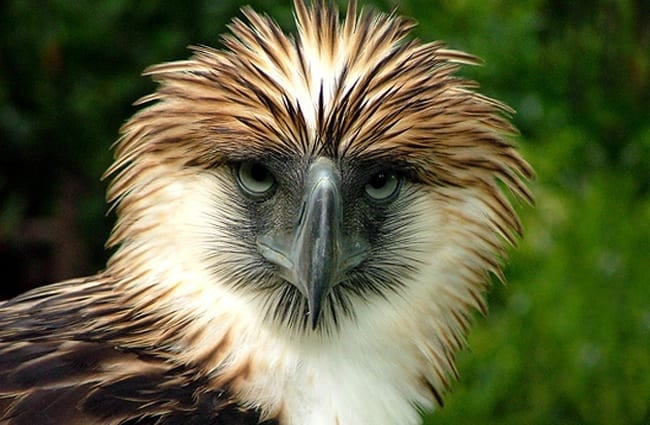
Accurate identification is vital for conservation and research. Key features to observe include size, plumage, wingshape, call, and behavior. For example, the Harpy Eagle is distinguished by its massive size, broad wings, and distinctive crest. The Philippine Eagle, also known as the monkey‑eating eagle, boasts a long crest and blue‑gray eyes. Golden Eagles have a golden‑brown nape and dark wings.
Captive Care Considerations
Providing appropriate care for eagles in captivity requires specialized knowledge and resources. Spacious enclosures are essential to allow for flight exercise. Diet must be carefully formulated to mimic natural prey, including whole animals to provide essential nutrients. Enrichment is crucial to stimulate natural behaviors, such as hunting and foraging. Regular veterinary care is vital to monitor health and prevent disease. Careful attention must be paid to minimizing stress and providing a stimulating environment.
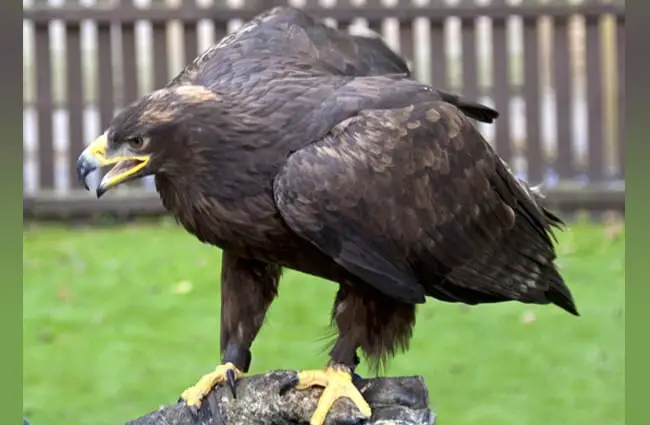
In conclusion, eagles are magnificent birds that embody power, grace, and resilience. Their ecological role is vital, and their cultural significance is profound. By continuing to study and conserve these remarkable creatures, we ensure that they continue to soar through the skies for generations to come.
![Closeup of a beautiful Red Angus cowPhoto by: U.S. Department of Agriculture [pubic domain]https://creativecommons.org/licenses/by/2.0/](https://animals.net/wp-content/uploads/2020/03/Red-Angus-4-238x178.jpg "Red Angus")



![Closeup of a beautiful Red Angus cowPhoto by: U.S. Department of Agriculture [pubic domain]https://creativecommons.org/licenses/by/2.0/](https://animals.net/wp-content/uploads/2020/03/Red-Angus-4-100x75.jpg "Red Angus")