
The Wonderful World of Chipmunks
Chipmunks, those charming striped rodents, are a familiar sight in many parts of North America and Asia. More than just cute faces, these busy little creatures play a vital role in their ecosystems. This comprehensive guide delves into the life of chipmunks, exploring their habitats, behaviors, diets, and interactions with the world around them. Whether you are a student researching these fascinating animals, an animal enthusiast hoping to spot one in the wild, or simply curious about these delightful creatures, this article provides a wealth of information.
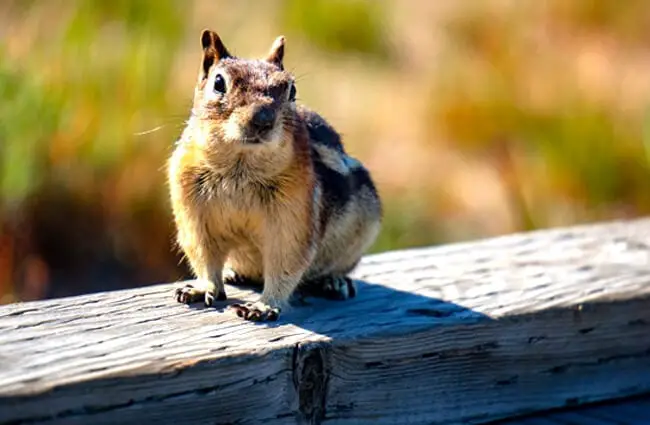
What Exactly Is a Chipmunk
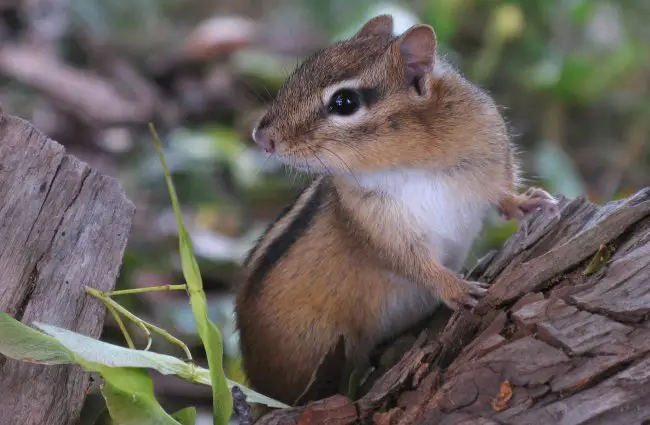
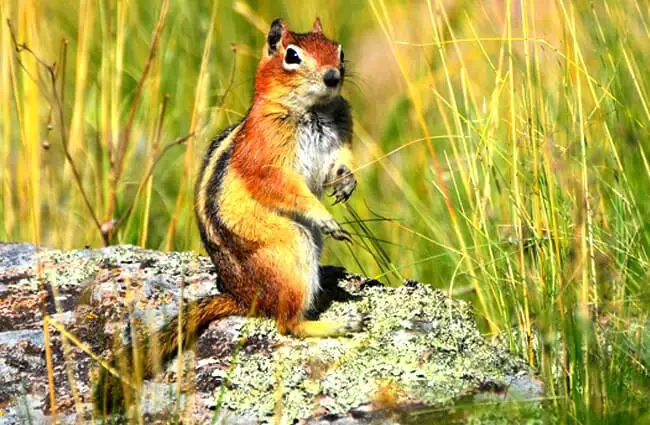
Chipmunks belong to the squirrel family (Sciuridae), but they are distinguished by their smaller size and, most notably, the dark and light stripes running down their backs. These stripes are more than decoration; they provide camouflage, breaking up the outline of the animal against the dappled sunlight of the forest floor. There are about a dozen species of chipmunk, each adapted to its specific environment. Most species range in length from 8 to 10 inches, including their bushy tails, and typically weigh between 2 and 5 ounces.
Habitat and Distribution
Chipmunks are primarily found in North America and Asia. The majority of species inhabit forests and woodlands, but they can also thrive in shrublands, grasslands, and even urban areas. They prefer environments with plenty of cover, such as trees, rocks, and brush, which provide protection from predators. They are particularly common in areas with deciduous trees, offering a plentiful supply of nuts and seeds. Different species occupy different ranges; for instance, the Eastern Chipmunk is found across eastern North America, while the Least Chipmunk has the widest distribution of all North American chipmunks, reaching from Alaska to Mexico.
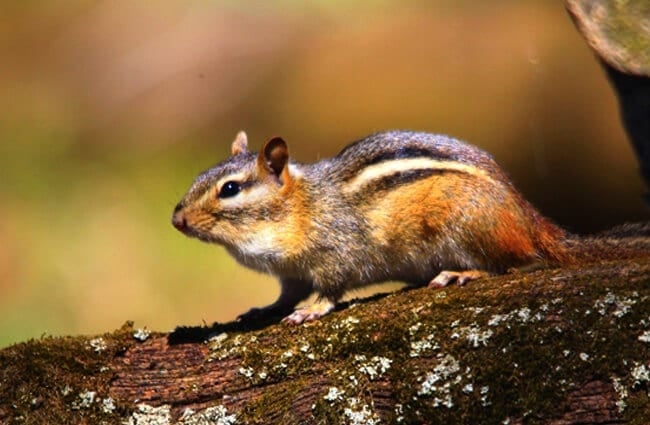
Diet and Foraging
Chipmunks are opportunistic omnivores, but their diet primarily consists of nuts, seeds, berries, and fruits. They are known as “scatter hoarders,” meaning they collect food and bury it in numerous small caches throughout their territory. This behavior ensures that food is available throughout the winter months, even when fresh sources are scarce. They do not rely on a single large stockpile, which could be easily discovered by predators. In addition to plant matter, chipmunks will also eat insects, eggs, and occasionally small vertebrates. Their cheek pouches, which can expand to hold a significant amount of food, are essential for transporting provisions back to their burrows. A chipmunk may make hundreds of small caches in a single season!
Burrowing and Social Behavior
Chipmunks are skilled burrowers, creating complex tunnel systems with multiple entrances and chambers. These burrows provide shelter from the elements and protection from predators. While generally solitary animals, chipmunks will sometimes share burrows with other family members, particularly during the breeding season. They communicate with each other through a variety of vocalizations, including chirps, trills, and scolding calls. They also use scent marking to establish territories and signal their presence to other chipmunks. Territorial disputes are common, and chipmunks will aggressively defend their resources against intruders.
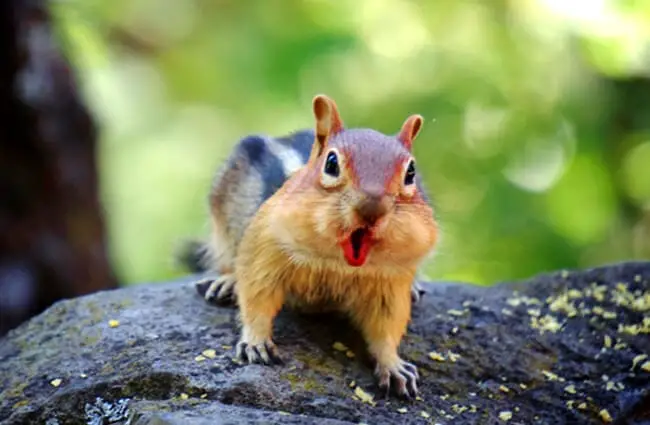
Reproduction and Life Cycle
Chipmunks typically breed once or twice a year, depending on the species and environmental conditions. The breeding season usually occurs in the spring and summer. Males compete for the attention of females, and after mating, the female builds a nest within her burrow. A litter typically consists of three to seven young, which are born blind and helpless. The young are weaned after about six to eight weeks and become independent shortly thereafter. Chipmunks usually live for two to three years in the wild, although some individuals may live longer. Survival rates are affected by factors such as predation, food availability, and harsh weather conditions.
Chipmunks and the Ecosystem
Chipmunks play an important role in their ecosystems. As seed dispersers, they help propagate plants by carrying seeds to new locations. Their foraging activities also aerate the soil and promote plant growth. They serve as a food source for a variety of predators, including hawks, owls, snakes, and foxes. Their burrows provide shelter for other animals, such as small mammals and reptiles. By burying seeds and nuts, they inadvertently contribute to forest regeneration. Their presence also influences the distribution of certain plant species.
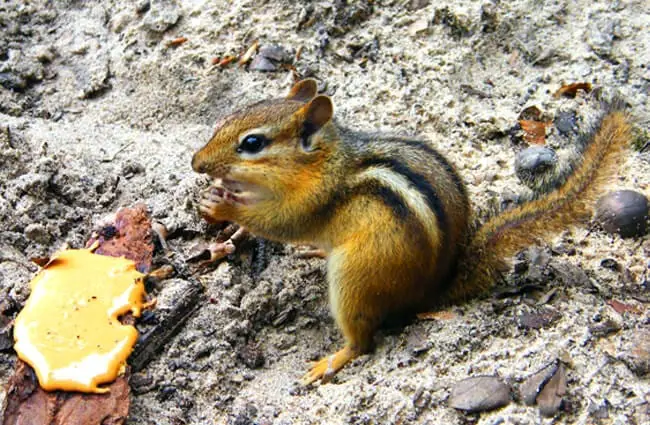
Interactions with Humans
Chipmunks often come into contact with humans, particularly in suburban and urban areas. They may raid bird feeders, gardens, and compost piles in search of food. While generally harmless, they may bite if threatened or cornered. It is important to avoid feeding chipmunks, as this can lead to dependence and alter their natural foraging behaviors. In some cases, chipmunks may enter homes in search of shelter or food. It is best to seal any potential entry points to prevent this from happening. They can also carry diseases, so it is important to avoid contact with sick or injured animals.
Chipmunks in Culture and Folklore
Chipmunks hold a place in the folklore and traditions of many cultures. In some Native American cultures, they are seen as symbols of diligence and preparedness, due to their habit of storing food for the winter. In other cultures, they are associated with good luck and prosperity. Chipmunks frequently appear in children’s literature and cartoons, often portrayed as mischievous but endearing characters. Their charming appearance and playful behavior make them popular subjects for artists and photographers.
Advanced Chipmunk Biology
Hibernation and Torpor
While not true hibernators like some other rodents, chipmunks enter periods of torpor during the winter months. Torpor is a state of decreased physiological activity characterized by reduced body temperature, heart rate, and breathing rate. Unlike true hibernation, torpor is not a prolonged state, and chipmunks will periodically awaken to feed on their stored food. They do not enter a deep sleep and remain relatively alert to danger. The frequency and duration of torpor bouts depend on the weather conditions and food availability.
Genetic Diversity and Evolution
Studies of chipmunk genetics have revealed significant diversity among different species and populations. This diversity is thought to result from geographic isolation and adaptation to local environmental conditions. Genetic analysis has also helped clarify the evolutionary relationships among different chipmunk species. Some species have remained relatively unchanged for millions of years, while others have undergone rapid evolution in response to changing climates and habitats.
Predator-Prey Dynamics
Chipmunks are an important prey species for a wide range of predators. Their behavior and habitat use are strongly influenced by the presence of predators. They exhibit a variety of anti-predator behaviors, including vigilance, alarm calls, and evasive maneuvers. They also rely on camouflage and burrowing to avoid detection. The relationship between chipmunks and their predators plays a crucial role in regulating population dynamics and maintaining ecosystem stability.
Encountering a Chipmunk: What to Do
If you encounter a chipmunk in the wild, it is best to observe it from a distance. Avoid approaching or attempting to feed it. If a chipmunk approaches you, remain calm and avoid making sudden movements. Do not attempt to handle or touch the animal, as this could startle it and potentially lead to a bite. If you suspect a chipmunk is sick or injured, contact a local wildlife rehabilitation center for assistance.
Caring for Chipmunks in Captivity
Caring for chipmunks in captivity requires specialized knowledge and resources. They need a spacious enclosure with plenty of enrichment, including climbing structures, nesting materials, and foraging opportunities. Their diet should consist of a variety of nuts, seeds, fruits, vegetables, and insects. Regular veterinary care is essential to ensure their health and well-being. It is vital to provide them with a stimulating environment and opportunities to express their natural behaviors. Avoid excessive handling, as this can cause stress. Captive breeding programs can help maintain genetic diversity and support conservation efforts.
From their playful antics to their vital role in the ecosystem, chipmunks are truly fascinating creatures. Hopefully, this guide has provided a comprehensive understanding of their biology, behavior, and importance.
![Closeup of a beautiful Red Angus cowPhoto by: U.S. Department of Agriculture [pubic domain]https://creativecommons.org/licenses/by/2.0/](https://animals.net/wp-content/uploads/2020/03/Red-Angus-4-238x178.jpg "Red Angus")
![Closeup of a beautiful Red Angus cowPhoto by: U.S. Department of Agriculture [pubic domain]https://creativecommons.org/licenses/by/2.0/](https://animals.net/wp-content/uploads/2020/03/Red-Angus-4-100x75.jpg "Red Angus")


