In the vast tapestry of the insect world, few creatures command as much respect, and perhaps a touch of fear, as the Assassin Bug. These remarkable insects, members of the family Reduviidae, are the silent hunters of the invertebrate realm, masters of ambush and armed with a formidable predatory toolkit. Far from being mere pests, Assassin Bugs play crucial roles in ecosystems worldwide, showcasing an astonishing array of adaptations and behaviors that make them truly captivating subjects for anyone interested in the natural world.
The Masters of Ambush: What Exactly is an Assassin Bug?
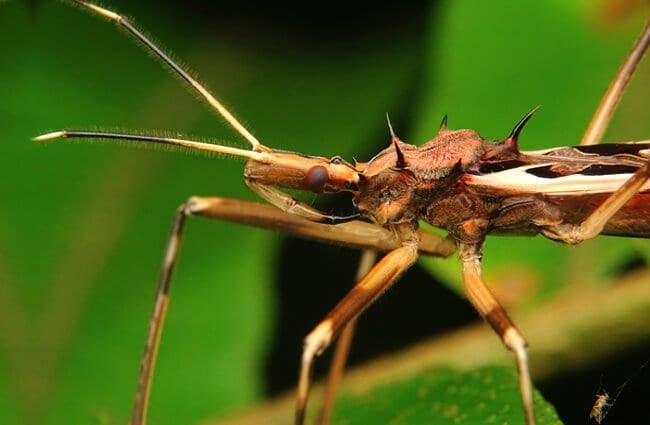
The term “Assassin Bug” encompasses a diverse group of predatory insects belonging to the order Hemiptera, specifically the family Reduviidae. With over 7,000 described species found across the globe, these bugs exhibit an incredible variety in size, shape, and hunting strategies. What unites them is their predatory lifestyle and a distinctive piercing-sucking mouthpart known as a rostrum, which they use to inject venom and digestive enzymes into their prey.
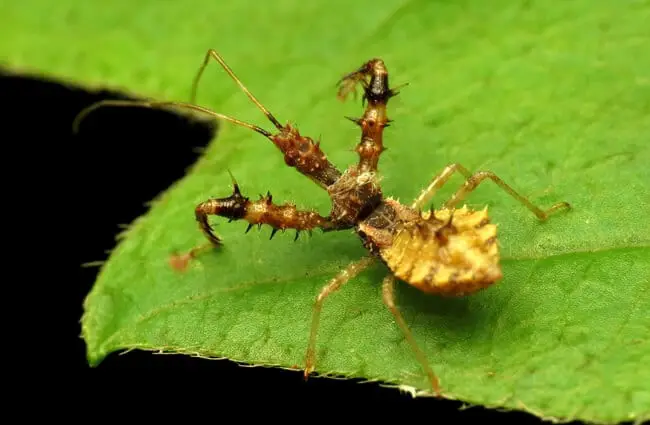
Imagine a tiny, six-legged predator, often camouflaged to blend seamlessly with its surroundings, patiently waiting for an unsuspecting meal. This is the essence of an Assassin Bug. Their bodies are typically robust, and many species possess strong, raptorial forelegs adapted for grasping and holding prey firmly. From the spiny, armored forms to the slender, stick-like mimics, each species is a testament to evolutionary ingenuity in the art of the hunt.
Physical Characteristics: Built for the Kill
- Rostrum: The most defining feature is their three-segmented, stout rostrum, which is usually held tucked under the head when not in use. This is not a biting mouthpart in the conventional sense, but a needle-like stylet used for piercing.
- Legs: Many species have thickened, spiny forelegs, sometimes resembling those of a praying mantis, perfectly designed for seizing and holding struggling prey.
- Size: Assassin Bugs vary greatly in size, from a few millimeters to several centimeters in length.
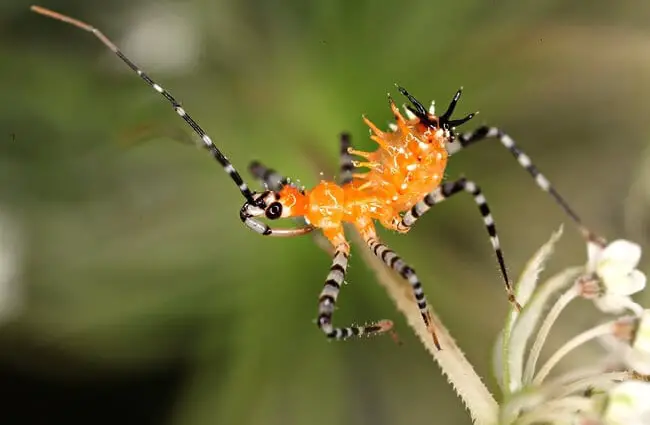
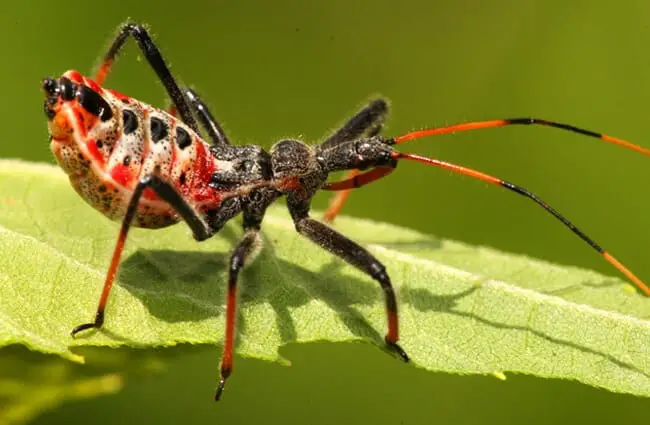
- Coloration: Their colors range from drab browns and greens for camouflage to vibrant reds and blacks, often signaling toxicity to potential predators.
A World of Hunters: Diversity and Distribution
Assassin Bugs are truly global citizens. They can be found on every continent except Antarctica, thriving in an astonishing array of habitats. From scorching deserts to lush rainforests, temperate woodlands to urban gardens, these adaptable predators have carved out niches wherever insects roam. Their widespread distribution and high species diversity highlight their evolutionary success and ecological importance.
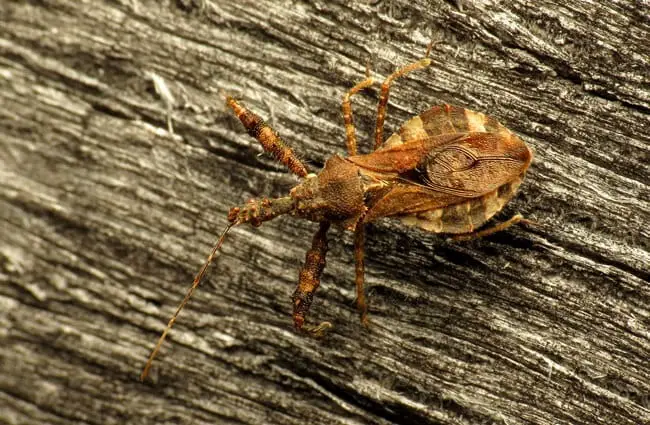
An animal lover hoping to spot an Assassin Bug in the wild should know that patience and a keen eye are essential. They are often masters of disguise, blending into bark, foliage, or even mimicking other insects. Look for them on plants, under rocks, or in leaf litter. Different species will favor different microhabitats. For instance, some arboreal species might be found on tree trunks, while others prefer ground cover.
Habitat Highlights:
- Terrestrial: Most species are terrestrial, inhabiting forests, grasslands, deserts, and agricultural fields.
- Arboreal: Many species live on trees and shrubs, often camouflaged as bark or twigs.
- Ground Dwellers: Some prefer to hunt on the ground, hiding under stones, logs, or leaf litter.
- Aquatic/Semi-aquatic: A few specialized groups, like the water scorpions (though not true Assassin Bugs, they share some predatory traits and are often confused), inhabit aquatic environments. However, the vast majority of Reduviidae are terrestrial.
The Deadly Dinner: Hunting and Diet
The diet of an Assassin Bug is almost exclusively carnivorous, consisting primarily of other insects and arthropods. Their hunting strategy is typically one of ambush. They lie in wait, often perfectly camouflaged, until an unsuspecting prey item comes within striking distance. Once a target is detected, they spring into action, seizing it with their powerful forelegs.
The real magic happens next. The Assassin Bug extends its rostrum and plunges it into the prey. Through this hollow tube, it injects a potent cocktail of venom and digestive enzymes. The venom quickly paralyzes the prey, while the enzymes begin to liquefy its internal tissues. The bug then sucks up the pre-digested “soup,” leaving behind an empty husk. This external digestion is a fascinating adaptation that allows them to consume prey much larger than their mouthparts would otherwise permit.
A Diverse Menu:
- Insects: Their primary diet includes a wide range of insects such as flies, caterpillars, beetles, aphids, bees, and even other bugs.
- Arachnids: Spiders are also common prey for many species.
- Vertebrates (Rare): Some larger species have been observed preying on small vertebrates like frogs or lizards, though this is less common.
One particularly interesting group, the ‘feather-legged bugs’ (subfamily Phymatinae), are known for their highly modified, raptorial forelegs that resemble a mantis’s, making them incredibly efficient ambush predators of flying insects like bees and wasps.
Life’s Journey: Reproduction and Development
The life cycle of an Assassin Bug, like all insects, involves distinct stages of development. Reproduction typically begins with a courtship ritual, which can vary greatly between species. Males often use chemical signals (pheromones) or tactile communication to attract females. Following mating, the female lays her eggs, often in clusters, on plants, under bark, or in crevices, depending on the species.
The eggs hatch into nymphs, which are miniature versions of the adults but lack fully developed wings. Assassin Bugs undergo incomplete metamorphosis, meaning they do not have a pupal stage. Instead, the nymphs grow through a series of molts, shedding their exoskeleton multiple times as they increase in size. With each molt, they develop further, gradually acquiring adult characteristics, including wing buds that eventually mature into functional wings in the final adult stage.
Key Stages:
- Egg: Laid in clusters, often camouflaged or protected.
- Nymph: Immature stages, resembling adults but smaller and wingless. They are also predatory.
- Adult: Fully developed, winged (in most species), and reproductively mature.
Some species exhibit fascinating reproductive behaviors, such as the male carrying the eggs on its back, offering a rare example of paternal care in the insect world. This behavior is thought to protect the eggs from predators and parasites.
Ecological Architects: Their Role in the Wild
Assassin Bugs are unsung heroes of many ecosystems. As voracious predators, they play a vital role in regulating insect populations, including many agricultural pests. This natural pest control makes them incredibly valuable, reducing the need for chemical pesticides in some areas.
Their interactions with other animals are primarily as predators, but they also serve as a food source for larger animals. Birds, spiders, lizards, and even some mammals will prey on Assassin Bugs, integrating them into the complex food webs of their respective habitats. Their presence is an indicator of a healthy, balanced ecosystem.
Contributions to the Ecosystem:
- Pest Control: By preying on a wide variety of herbivorous insects, they help protect plants and crops.
- Food Source: They are a part of the diet for various insectivores.
- Biodiversity: Their sheer diversity contributes to the overall richness of insect life.
Encountering an Assassin Bug: A Guide for Humans
For most people, an encounter with an Assassin Bug is harmless, provided they are left undisturbed. These insects are not aggressive towards humans and will only bite if they feel threatened or are handled carelessly. A bite from most Assassin Bug species is painful, often described as feeling like a bee or wasp sting, but it is generally not medically significant. The pain is due to the injection of their digestive enzymes, which can cause localized swelling, redness, and discomfort, but these symptoms typically subside within a few hours or days.
However, it is crucial to distinguish between the vast majority of beneficial Assassin Bugs and a specific subfamily known as “Kissing Bugs” (Triatominae). Kissing Bugs are hematophagous, meaning they feed on blood, usually from vertebrates, including humans. They are nocturnal and often bite around the face (hence “kissing bug”) while a person is sleeping. More importantly, Kissing Bugs are vectors for the parasite Trypanosoma cruzi, which causes Chagas disease. This disease is a serious public health concern in parts of Central and South America, and increasingly in the southern United States. It is important to note that not all Kissing Bugs carry the parasite, and not all Assassin Bugs are Kissing Bugs.
What to Do:
- Observe, Don’t Touch: If you encounter an Assassin Bug in the wild, admire it from a distance. Do not attempt to pick it up or provoke it.
- If Bitten:
- Wash the area with soap and water.
- Apply a cold compress to reduce swelling and pain.
- Over-the-counter pain relievers can help with discomfort.
- Seek medical attention if symptoms worsen, if you suspect it was a Kissing Bug, or if you develop signs of an allergic reaction.
- Kissing Bug Awareness: If you live in an endemic area for Chagas disease, learn to identify Kissing Bugs and take precautions to prevent bites, such as sealing cracks in homes and using bed nets.
Beyond the Basics: Deeper Dives for the Curious
Evolutionary Story: An Ancient Lineage
The Reduviidae family has a long and fascinating evolutionary history, with fossil records indicating their presence dating back millions of years. Their success can be attributed to their highly adaptable predatory lifestyle and the evolution of their specialized rostrum and raptorial legs. Over geological timescales, they have diversified into thousands of species, each fine-tuning its hunting techniques and ecological niche. This ancient lineage highlights the enduring effectiveness of their predatory strategy.
Fascinating Adaptations and Behaviors
- Camouflage and Mimicry: Many Assassin Bugs are masters of disguise. Some species cover themselves with debris, dust, or even the carcasses of their prey to blend in with their surroundings or to lure in unsuspecting victims. Others mimic ants or other insects to avoid predators or to get closer to their prey.
- Tool Use: A few remarkable species have been observed using sticky plant resins as a “tool” to trap prey, a rare instance of tool use in the insect world.
- Parental Care: While uncommon in insects, some male Assassin Bugs are known to guard egg clutches, protecting them from predators and parasites.
- Sound Production: Certain species can produce sounds by rubbing their rostrum against a stridulatory groove on their prosternum. These sounds may be used for defense, communication, or courtship.
Contribution to Human Culture
While Assassin Bugs do not feature prominently in human culture like butterflies or bees, their stealthy nature and predatory prowess have occasionally inspired fiction or served as symbols of cunning and efficiency. Their role in natural pest control, though often overlooked, is a significant contribution to human agriculture and well-being.
Caring for a Captive Assassin Bug: A Zookeeper’s Handbook
For aspiring zoologists or zookeepers interested in these fascinating creatures, keeping Assassin Bugs in captivity can be a rewarding experience. Proper care ensures their health and allows for observation of their unique behaviors.
Key Tasks and Considerations:
- Enclosure: A secure, well-ventilated enclosure is essential. The size should be appropriate for the species, allowing room for climbing and hunting. A substrate of coco fiber, peat moss, or sand, depending on the species’ natural habitat, is suitable. Provide climbing structures like twigs, bark, or artificial plants.
- Temperature and Humidity: These parameters are species-specific. Research the natural habitat of your particular Assassin Bug. Most tropical species require higher humidity and warmer temperatures, while temperate species can tolerate a wider range. A hygrometer and thermometer are crucial.
- Diet: Assassin Bugs are strict carnivores. They should be fed live insects appropriate to their size, such as crickets, mealworms, roaches, or flies. Avoid feeding wild-caught insects, as they may carry parasites or pesticides. Offer food every few days, removing uneaten prey promptly to prevent mold or mites.
- Water: Provide a shallow water dish with cotton or a sponge to prevent drowning, or mist the enclosure lightly a few times a week, especially for species requiring higher humidity.
- Handling: Avoid direct handling whenever possible. If handling is necessary (e.g., for cleaning), use soft-tipped forceps or gently coax the bug into a separate container. Always be mindful of their rostrum, as a bite can be painful.
- Breeding: If breeding, ensure adequate space and nutrition for the female to lay eggs. Separate nymphs from adults to prevent cannibalism, as Assassin Bugs are often cannibalistic, especially when food is scarce.
- Avoid:
- Overcrowding, which leads to stress and cannibalism.
- Inappropriate prey size (too large can injure the bug, too small may not be noticed).
- Exposure to pesticides or harsh chemicals.
- Lack of ventilation, which can lead to mold and respiratory issues.
Conclusion: The Unseen Wonders of the Insect World
From their intricate hunting strategies and diverse forms to their crucial ecological roles, Assassin Bugs are truly remarkable creatures. They remind us that even the smallest inhabitants of our planet hold immense biological significance and offer endless opportunities for discovery. Whether you are a student researching their complex life cycles, an animal lover hoping to spot one in its natural habitat, or an aspiring zoologist delving into their evolutionary adaptations, the world of the Assassin Bug is rich with wonder. By understanding and appreciating these formidable predators, we gain a deeper insight into the delicate balance of nature and the incredible diversity of life that surrounds us.
![Closeup of a beautiful Red Angus cowPhoto by: U.S. Department of Agriculture [pubic domain]https://creativecommons.org/licenses/by/2.0/](https://animals.net/wp-content/uploads/2020/03/Red-Angus-4-100x75.jpg "Red Angus")