Alligators, ancient reptiles with a formidable reputation, evoke both awe and apprehension. These powerful predators are much more than just scaled hunters; they are integral components of their ecosystems and fascinating subjects for scientific study. This comprehensive guide explores the world of alligators, from their evolutionary history and natural behaviors to their role in human culture and practical considerations for both wildlife enthusiasts and professionals.
The Alligator Unveiled
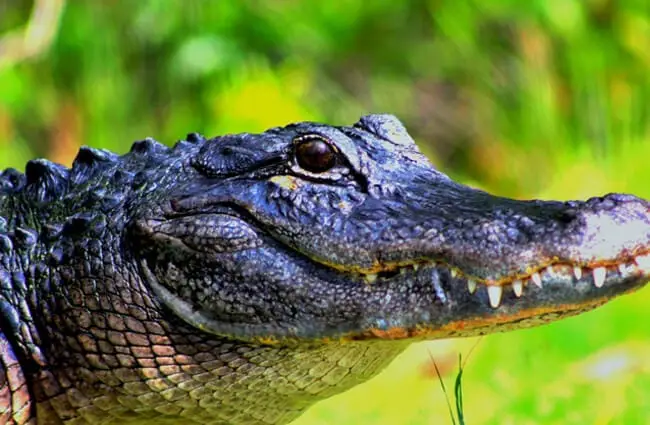
Alligators belong to the order Crocodilia, a group that also includes crocodiles, caimans, and gharials. But what specifically defines an alligator? Primarily, it’s the shape of their snout. Alligators have a wider, U‑shaped snout compared to the more pointed, V‑shaped snout of a crocodile. This seemingly small difference reflects adaptations to their respective diets and hunting strategies.
Species Overview
Currently, there are two recognized species of alligator: the American alligator (Alligator mississippiensis) and the Chinese alligator (Alligator sinensis). The American alligator is far more common and widespread, inhabiting the southeastern United States. The Chinese alligator, critically endangered, is found in a small region of eastern China. The Chinese alligator is significantly smaller than its American counterpart, rarely exceeding seven feet in length.
Habitat and Distribution
American alligators thrive in freshwater wetlands, including swamps, marshes, rivers, and lakes. They are particularly abundant in Florida and Louisiana, but can be found as far north as the Carolinas and as far west as Texas. These reptiles are ectothermic, meaning they rely on external sources to regulate their body temperature. Therefore, they prefer warmer climates and often bask in the sun to absorb heat.
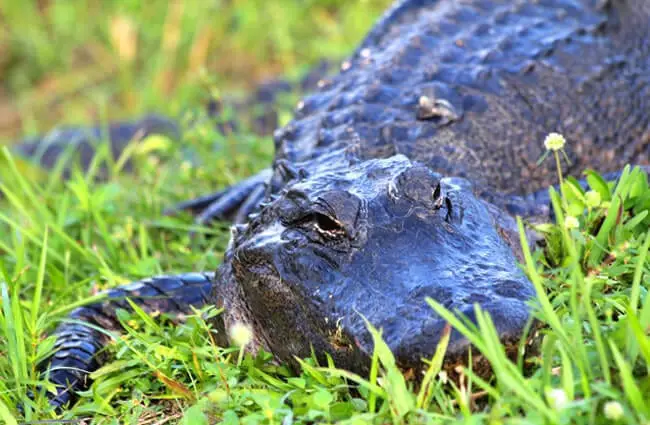
The availability of suitable habitat is a crucial factor limiting alligator distribution. Habitat loss due to urbanization and agriculture poses a significant threat to their populations.
Evolutionary History
The evolutionary lineage of alligators stretches back to the Cretaceous period, over 80 million years ago. Fossil records reveal that ancient crocodilians were far more diverse than they are today, with some species resembling modern alligators closely. The ancestors of modern alligators survived the extinction event that wiped out the dinosaurs, demonstrating their remarkable resilience.
Over millions of years, alligators have undergone gradual adaptations to their environment. Their powerful jaws, armored scales, and streamlined bodies are all testaments to the forces of natural selection.
Diet and Hunting Strategies
Alligators are opportunistic predators, meaning they will consume a wide variety of prey. Their diet varies depending on their size and the availability of food. Young alligators primarily feed on insects, crustaceans, and small fish. As they grow, they begin to prey on larger animals, including fish, turtles, snakes, birds, and mammals. Large alligators may even attack deer, wild boar, and occasionally livestock.
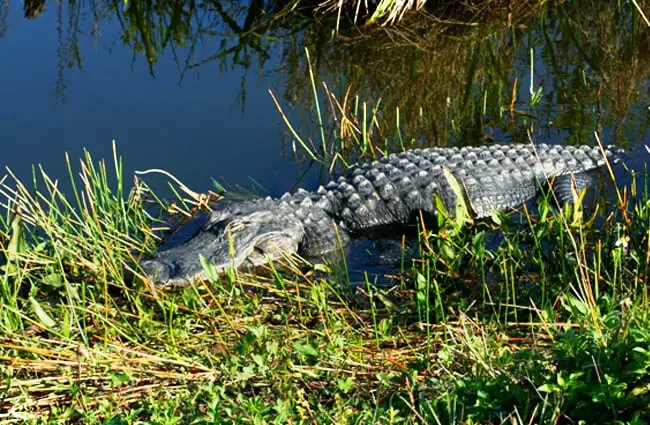
Alligators typically ambush their prey, lying in wait beneath the water’s surface before launching a swift attack. They use their powerful jaws to grasp and crush their prey, often dragging it underwater to drown it. Alligators do not chew their food; they swallow it whole in large chunks.
Reproduction and Life Cycle
Alligator mating season typically occurs in the spring. Male alligators engage in elaborate courtship displays, including bellowing, head slaps, and water displays, to attract females. These displays serve to establish dominance and assess the fitness of potential mates.
Female alligators build nests out of vegetation, mud, and debris. They lay between 20 and 50 eggs, which incubate for approximately 65 days. The temperature during incubation determines the sex of the offspring. Higher temperatures produce females, while lower temperatures produce males.
Baby alligators, or hatchlings, are vulnerable to predators, including birds, mammals, and even other alligators. Mother alligators provide some protection, but hatchlings must fend for themselves shortly after hatching. Alligators continue to grow throughout their lives, reaching maturity at around 10 to 12 years of age. They can live for over 50 years in the wild.
Ecological Role and Interactions
Alligators play a vital role in maintaining the health of their ecosystems. They are considered keystone species, meaning their presence has a disproportionately large impact on their environment. Alligators create and maintain gator holes, which are depressions in the wetlands that provide refuge for other animals during dry periods. These holes serve as important water sources and nurseries for fish, amphibians, and reptiles.
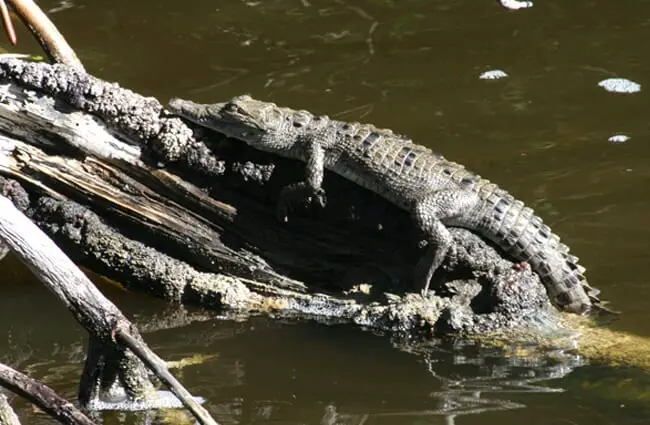
Alligators also help to control populations of prey animals, preventing overgrazing and maintaining biodiversity. Their scavenging activities help to remove dead animals from the environment, reducing the spread of disease.
Alligators and Humans
Throughout history, alligators have held a significant place in human culture. Native American tribes revered alligators as symbols of power and strength, incorporating them into their art, mythology, and religious ceremonies. In some cultures, alligator meat was a source of food, and alligator skin was used to make clothing and other items.
Today, alligator attacks on humans are rare, but they can occur, particularly in areas where alligators and humans coexist closely. It is important to exercise caution around alligators and to avoid feeding or approaching them.
Safety Guidelines for Encountering Alligators in the Wild
- Maintain a safe distance, at least 30 feet.
- Never feed alligators – this makes them associate humans with food.
- Supervise children and pets closely near water.
- Avoid swimming in areas known to be inhabited by alligators.
- If an alligator approaches you, back away slowly and avoid making sudden movements.
Alligator Care in Captivity
Caring for alligators in captivity requires specialized knowledge and facilities. Zoos and aquariums that house alligators must provide large, secure enclosures with access to both land and water. Water quality is crucial, and regular filtration and temperature control are essential.
Alligator diets in captivity typically consist of fish, poultry, and mammals, supplemented with vitamins and minerals. Enrichment activities, such as providing logs, rocks, and other objects to explore, are important for stimulating their natural behaviors. Regular veterinary care is also essential for maintaining their health and well-being.
Fascinating Alligator Facts
- Alligators have approximately 80 teeth, but they lose and regrow them throughout their lives.
- They can hold their breath underwater for up to 30 minutes.
- Alligators have a third eyelid, called a nictitating membrane, which protects their eyes underwater.
- They communicate with each other through vocalizations, body language, and scent marking.
- Alligators play an important role in seed dispersal by consuming fruits and excreting the seeds in new locations.
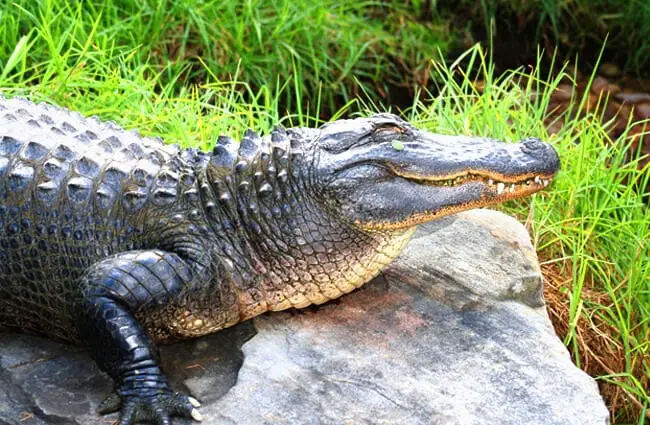
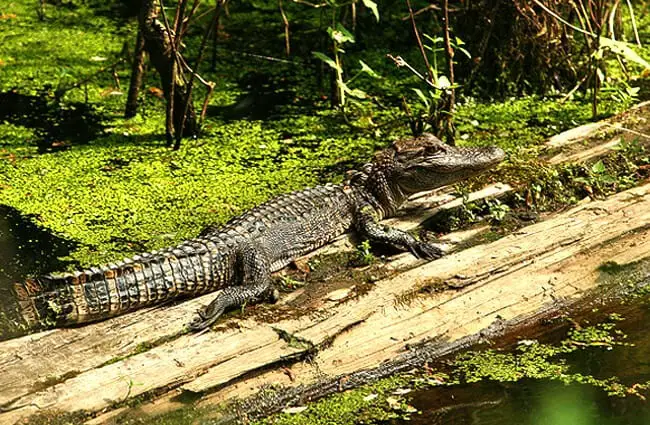
Alligators are remarkable creatures with a rich evolutionary history and a vital role to play in the ecosystems they inhabit. By understanding their biology, behavior, and ecological importance, we can ensure their continued survival for generations to come.
![Closeup of a beautiful Red Angus cowPhoto by: U.S. Department of Agriculture [pubic domain]https://creativecommons.org/licenses/by/2.0/](https://animals.net/wp-content/uploads/2020/03/Red-Angus-4-238x178.jpg "Red Angus")


![Closeup of a beautiful Red Angus cowPhoto by: U.S. Department of Agriculture [pubic domain]https://creativecommons.org/licenses/by/2.0/](https://animals.net/wp-content/uploads/2020/03/Red-Angus-4-100x75.jpg "Red Angus")