A Tiny World of Wonder: Exploring the Dwarf Hamster
Dwarf hamsters are captivating creatures of small stature and surprising complexity. They have become increasingly popular as pets, yet their lives in the wild and their place in the broader ecosystem remain largely unknown to many. This guide explores the fascinating world of dwarf hamsters, delving into their history, behavior, habitat, and more. Whether you are a student conducting research, an animal enthusiast, or simply curious about these charming rodents, this article provides a wealth of information.
What are Dwarf Hamsters?
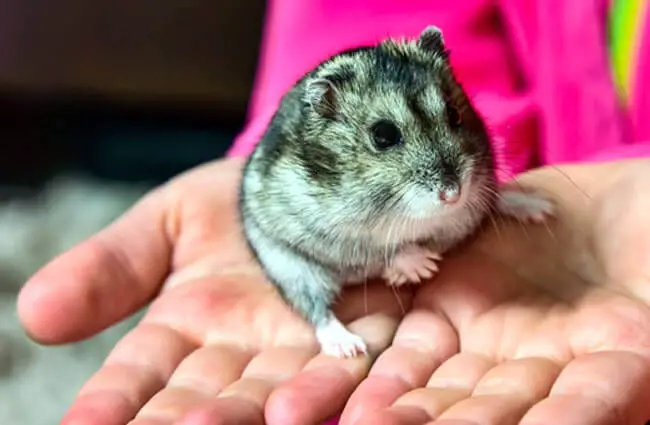
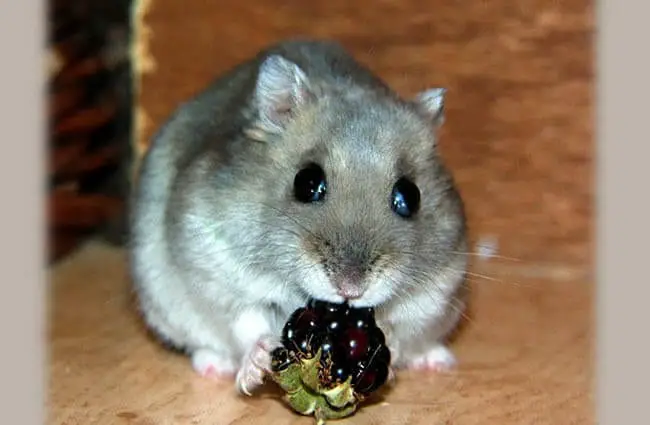
The term “dwarf hamster” encompasses several species of hamster belonging to the subfamily Cricetinae. These diminutive rodents are distinguished from their larger Syrian hamster cousins by their smaller size, typically ranging from 3 to 4 inches in length. The most commonly kept dwarf hamster species include Campbell’s dwarf hamster, the Winter White dwarf hamster (Phodopus sungorus), also known as the Djungarian hamster, and the Roborovski hamster. Each species exhibits slight variations in appearance, behavior, and care requirements.
Species Spotlight
- Campbell’s Dwarf Hamster (Phodopus campbelli): Known for its sociable nature, although individuals can still be territorial, and a tendency to experience seasonal color changes.
- Winter White Dwarf Hamster (Phodopus sungorus): Similar to Campbell’s, but generally more prone to color changes, turning almost completely white in winter.
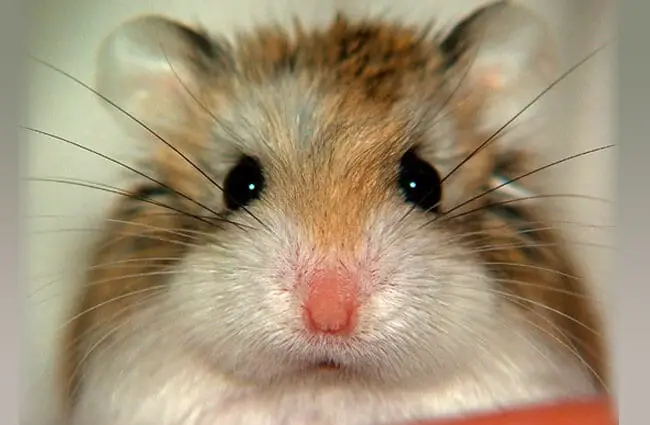
- Roborovski Dwarf Hamster (Phodopus roborovskii): The smallest of the dwarf hamster species, known for its speed and energetic nature. They are less easily tamed than other species.
Habitat and Distribution
Dwarf hamsters are native to the steppes, grasslands, and semi-deserts of Central Asia, including Russia, Kazakhstan, Mongolia, and parts of China. They inhabit burrows that they construct themselves, often located near sources of food and water. These burrows provide shelter from predators and harsh weather conditions, as well as a safe space for raising young. The terrain consists of relatively flat or gently sloping land, providing good drainage and suitable soil for burrowing.
A Glimpse into Evolutionary History
The evolutionary origins of dwarf hamsters can be traced back millions of years. Like all hamsters, they belong to the family Cricetidae, a diverse group of rodents that originated in Eurasia. The precise evolutionary relationships between the different dwarf hamster species are still being investigated, but genetic studies suggest that they diverged from their larger hamster ancestors relatively recently. Their adaptation to the harsh conditions of the Central Asian steppes played a significant role in shaping their small size, efficient metabolism, and burrowing behavior.
Diet and Foraging Behavior
Dwarf hamsters are omnivores, meaning they consume both plant and animal matter. In the wild, their diet consists primarily of seeds, grains, nuts, roots, fruits, and insects. They are skilled foragers, collecting and storing food in their cheek pouches to transport it back to their burrows. This behavior is crucial for survival, allowing them to accumulate reserves during times of abundance and access food during periods of scarcity. They exhibit a strong preference for high energy foods, such as seeds and nuts, which provide the fuel they need to maintain their active lifestyle.

Mating, Reproduction, and Life Cycle
Dwarf hamsters typically reach sexual maturity at around 6 to 8 months of age. They are polyestrous, meaning females can experience multiple estrous cycles throughout the year. Mating is often preceded by a period of courtship, during which males may engage in scent marking and vocalizations to attract females. Gestation lasts approximately 18 to 22 days, resulting in litters of 1 to 8 pups. Pups are born blind and helpless, relying entirely on their mother for care. They are weaned at around 3 weeks of age and reach independence at around 6 to 8 weeks. The average lifespan of a dwarf hamster is 1.5 to 3 years in the wild and up to 3 years in captivity.
Ecological Role and Interactions
Dwarf hamsters play an important role in the ecosystem as seed dispersers and soil aerators. Their burrowing activities help to improve soil drainage and fertility, benefiting plant growth. They also serve as a food source for predators such as owls, foxes, and snakes. Their interactions with other animals are complex and multifaceted. They may compete with other rodents for resources, but they also engage in mutualistic relationships with certain plants, assisting in seed dispersal.
Dwarf Hamsters and Humans
Dwarf hamsters have become increasingly popular as pets due to their small size, docile nature, and relatively easy care requirements. However, it is important to remember that they are still wild animals with specific needs. Proper care includes providing a spacious cage, a balanced diet, plenty of enrichment, and regular veterinary checkups. It is also important to be aware of the potential for aggression and to handle them gently and respectfully.
Encountering a Dwarf Hamster in the Wild
If you encounter a dwarf hamster in the wild, it is best to observe it from a distance. Avoid approaching or disturbing it, as this can cause stress and disrupt its natural behavior. Do not attempt to handle or capture it. If you find an injured or sick hamster, contact a local wildlife rehabilitation center for assistance.
Caring for Dwarf Hamsters in Captivity: A Zookeeper’s Perspective
Providing optimal care for dwarf hamsters in captivity requires attention to detail and a deep understanding of their natural behavior. Enrichment is crucial for preventing boredom and promoting physical and mental well-being. This can include providing a variety of toys, tunnels, and climbing structures, as well as scattering food throughout the cage to encourage foraging. Regular cleaning and disinfection are essential for maintaining a healthy environment. It is important to avoid overcrowding, as this can lead to stress and aggression. Monitoring their weight and appetite is crucial for detecting early signs of illness.

Fascinating Facts About Dwarf Hamsters
- Dwarf hamsters can store food in their cheek pouches, which can expand to hold up to one third of their body weight.
- They are crepuscular, meaning they are most active during dawn and dusk.
- Dwarf hamsters have a high metabolism, requiring them to eat frequently.
- They communicate with each other using a variety of scent markings and vocalizations.
- Some species of dwarf hamster exhibit seasonal color changes, becoming lighter in winter.
- Roborovski hamsters are known for their incredible speed and agility.
The world of the dwarf hamster is a captivating blend of biology, behavior, and ecology. From their humble origins in the Central Asian steppes to their popularity as beloved pets, these tiny creatures continue to fascinate and inspire. By deepening our understanding of their needs and behaviors, we can ensure their continued well being, both in the wild and in captivity.
![Closeup of a beautiful Red Angus cowPhoto by: U.S. Department of Agriculture [pubic domain]https://creativecommons.org/licenses/by/2.0/](https://animals.net/wp-content/uploads/2020/03/Red-Angus-4-238x178.jpg "Red Angus")

![Closeup of a beautiful Red Angus cowPhoto by: U.S. Department of Agriculture [pubic domain]https://creativecommons.org/licenses/by/2.0/](https://animals.net/wp-content/uploads/2020/03/Red-Angus-4-100x75.jpg "Red Angus")