
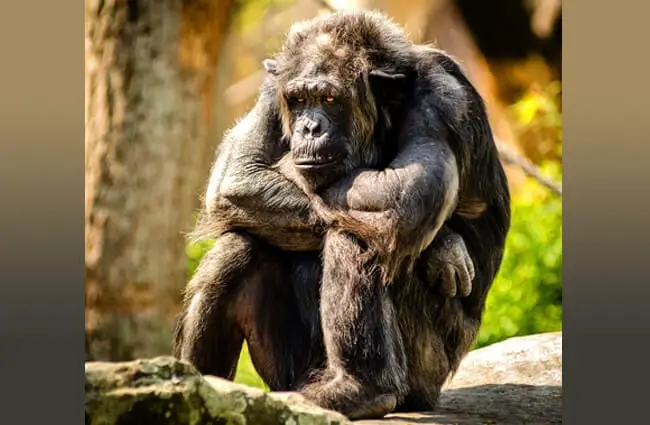
The chimpanzee, a creature of remarkable intelligence and social complexity, holds a special place in the animal kingdom – and in our own evolutionary story. Closely related to humans, sharing approximately 98% of our genetic makeup, these fascinating primates offer a unique window into our past and present. This comprehensive guide delves into the world of chimpanzees, exploring their habitat, behavior, evolution, and conservation status.
Chimpanzee Basics
Commonly known as chimps, Pan troglodytes are one of the two species of great apes in the genus Pan. The other is the bonobo. Chimpanzees are found across equatorial Africa, inhabiting rainforests, woodlands, and savannas. They are omnivores, with a diet consisting of fruits, leaves, insects, and occasionally meat. Adult chimps typically weigh between 70 and 130 pounds and stand between 3 and 5.5 feet tall. Their lifespan in the wild is approximately 40 to 60 years, though they can live longer in captivity.
Habitat and Distribution
Chimpanzees inhabit a diverse range of habitats, though they are most commonly found in moist forests. Their range extends across central and western Africa, encompassing countries such as Nigeria, Cameroon, Gabon, and Tanzania. Historically, their distribution was wider, but habitat loss and hunting have fragmented their populations. Recognizing prime chimpanzee habitat is key for conservation efforts and potential sightings. Look for areas with abundant fruiting trees, water sources, and dense canopy cover.
Evolution and Ancestry
The evolutionary history of chimpanzees is intimately linked to our own. Roughly six to eight million years ago, a common ancestor shared by humans and chimpanzees diverged, leading to separate evolutionary paths. Fossil evidence suggests that early hominins and chimpanzees coexisted and even interacted. Studying chimpanzee genetics and behavior provides invaluable insights into the origins of human intelligence, sociality, and disease susceptibility.
The Role of Tool Use
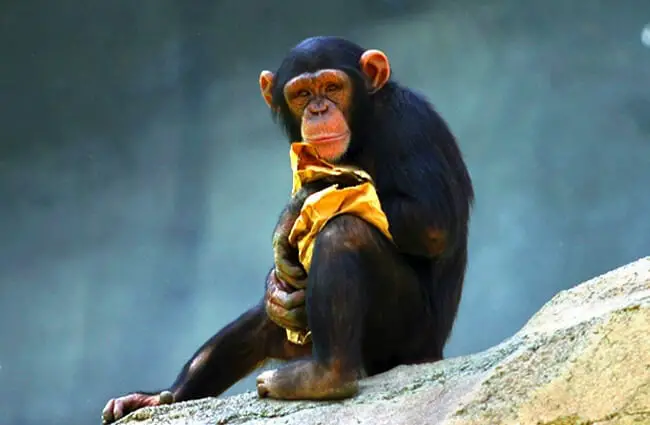
A defining characteristic of chimpanzees – and a key step in human evolution – is their capacity for tool use. Chimps employ a variety of tools for foraging, hunting, and social displays. These include sticks for termite fishing, stones for cracking nuts, and leaves for soaking up water. The transmission of tool use techniques through generations highlights their remarkable cognitive abilities and cultural learning.
Social Structure and Behavior
Chimpanzees are highly social animals, living in communities that typically range from 20 to 150 individuals. These communities are characterized by complex social hierarchies, intricate communication systems, and cooperative behavior. Male chimpanzees typically hold higher ranks in social hierarchies, establishing and maintaining their status through displays of strength and aggression. Females form close bonds with their offspring and play a crucial role in maintaining community cohesion.
Communication and Vocalizations
Chimpanzees communicate using a rich repertoire of vocalizations, facial expressions, and body language. These include hoots, screams, pant-hoots, and grunts, each conveying specific meanings. They also engage in grooming, embracing, and other forms of physical contact to strengthen social bonds. Observing chimpanzee communication can reveal a great deal about their emotional states and social dynamics.
Diet and Foraging
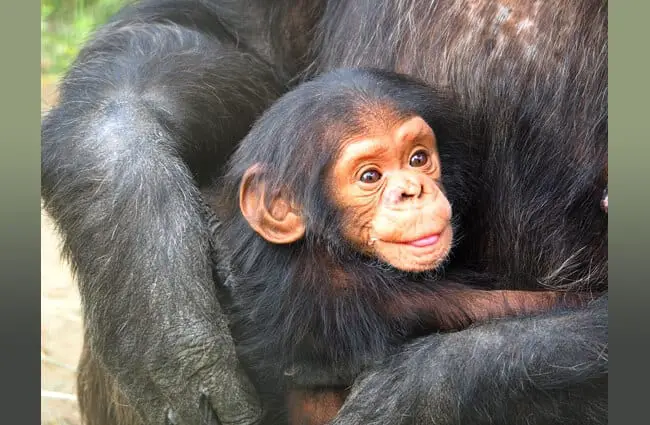
As omnivores, chimpanzees have a diverse diet that varies depending on the season and habitat. Their primary food source is fruit, but they also consume leaves, insects, bark, seeds, and occasionally small mammals. Chimpanzees are skilled hunters, often cooperating to capture prey such as monkeys and bush pigs. Their foraging behavior is influenced by factors such as food availability, competition, and social learning.
Nutritional Needs and Adaptations
Chimpanzees have several adaptations that allow them to efficiently exploit a variety of food sources. Their strong jaws and teeth are well suited for crushing nuts and processing tough vegetation. They also have a specialized digestive system that enables them to extract nutrients from a wide range of plant materials. Understanding their nutritional needs is essential for providing appropriate care in captivity.
Reproduction and Life Cycle
Female chimpanzees typically reach sexual maturity around the age of 13, while males mature slightly later. They are not seasonally reproductive and can breed throughout the year. After a gestation period of approximately six to seven months, females give birth to a single infant. Infants are highly dependent on their mothers for several years, receiving nourishment, protection, and social guidance.
Parental Care and Socialization
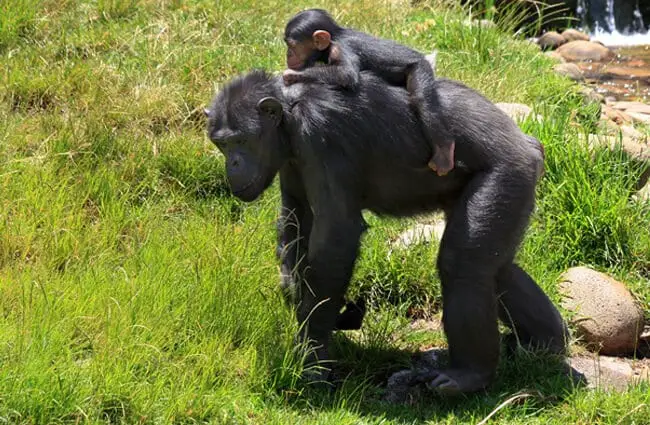
Mothers play a central role in raising their offspring. Infants remain closely attached to their mothers for several years, learning essential survival skills through observation and imitation. They also receive social support from other members of the community, who often help to protect and care for the young. This extended period of parental care is crucial for ensuring the survival and development of chimpanzee offspring.
Chimpanzees and the Ecosystem
Chimpanzees play a vital role in maintaining the health and diversity of their ecosystems. As frugivores, they disperse seeds, contributing to forest regeneration. They also help to control populations of insects and other invertebrates. Their foraging activities can influence the distribution of plants and animals, shaping the structure of the forest.
Interactions with Other Species
Chimpanzees interact with a wide range of other species, including monkeys, birds, and insects. They often compete with monkeys for food resources, but they also sometimes cooperate with them to defend against predators. They also form symbiotic relationships with certain species, such as birds that help to remove parasites from their fur.
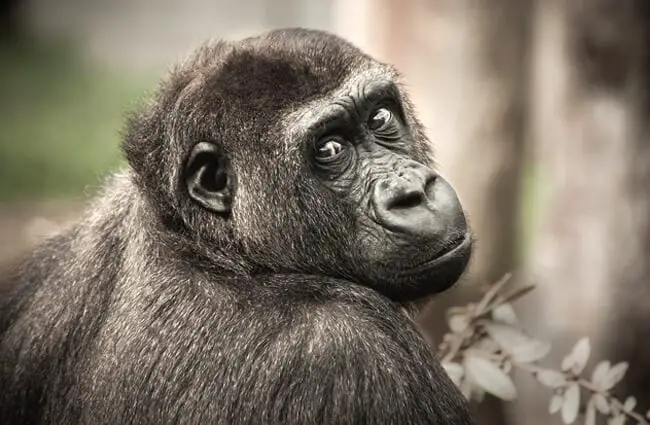
Chimpanzees and Humans
The relationship between chimpanzees and humans is complex and often fraught with conflict. Habitat loss, hunting, and disease pose significant threats to chimpanzee populations. However, chimpanzees also play an important role in medical research, providing insights into human diseases and potential treatments.
Conservation Efforts
Numerous organizations are working to conserve chimpanzee populations and protect their habitats. These efforts include establishing protected areas, combating illegal hunting, and promoting sustainable development. Supporting these conservation initiatives is essential for ensuring the long-term survival of chimpanzees.
Encountering Chimpanzees in the Wild
If you are fortunate enough to encounter chimpanzees in the wild, it is important to maintain a safe distance and avoid any behavior that could be perceived as threatening. Do not make direct eye contact, make loud noises, or attempt to approach them. Slowly back away and give them plenty of space. Report any sightings to local authorities or conservation organizations.
Caring for Chimpanzees in Captivity
Caring for chimpanzees in captivity requires specialized knowledge and resources. They need spacious enclosures that mimic their natural habitat, a varied diet, and opportunities for social interaction and enrichment. Zookeepers must also be trained to recognize and address their complex behavioral needs. Avoid direct competition for food or resources. Provide ample opportunities for foraging and problem-solving.
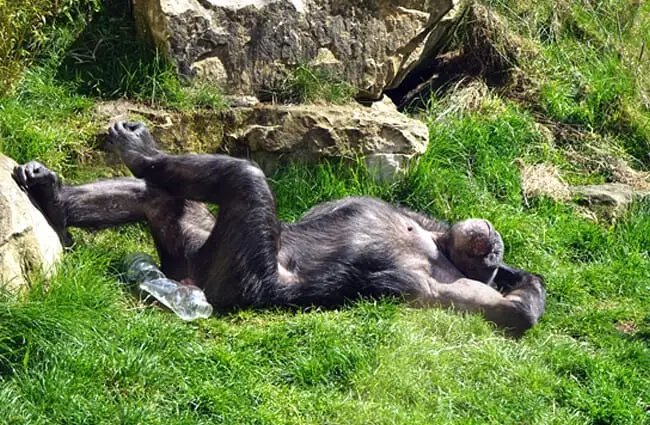
Chimpanzees remain a fascinating species whose life reflects our own in many ways. By understanding their behavior, ecology, and conservation needs, we can work to ensure their survival for generations to come.
![Closeup of a beautiful Red Angus cowPhoto by: U.S. Department of Agriculture [pubic domain]https://creativecommons.org/licenses/by/2.0/](https://animals.net/wp-content/uploads/2020/03/Red-Angus-4-238x178.jpg "Red Angus")




![Closeup of a beautiful Red Angus cowPhoto by: U.S. Department of Agriculture [pubic domain]https://creativecommons.org/licenses/by/2.0/](https://animals.net/wp-content/uploads/2020/03/Red-Angus-4-100x75.jpg "Red Angus")