
The Elusive Chamois: A Comprehensive Guide
The chamois, a creature of breathtaking agility and resilience, graces the steep, rugged terrains of Europe’s mountains. Often mistaken for an antelope or goat, this fascinating mammal possesses a unique history, captivating behaviors, and a crucial role in its mountain ecosystems. This guide delves into the world of the chamois, exploring its biology, behavior, habitat, and interactions with both the natural world and humankind.
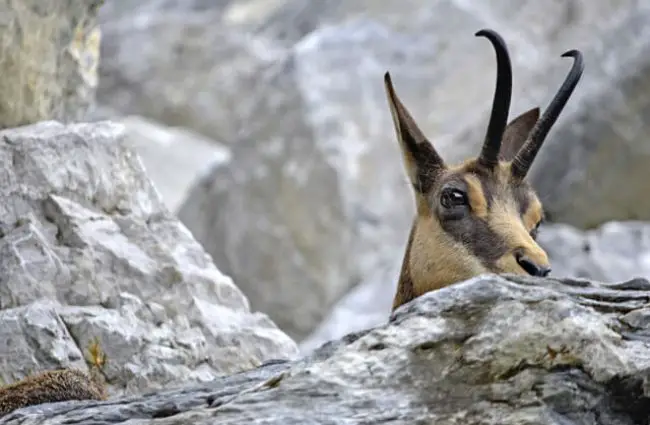
What is a Chamois? A First Look
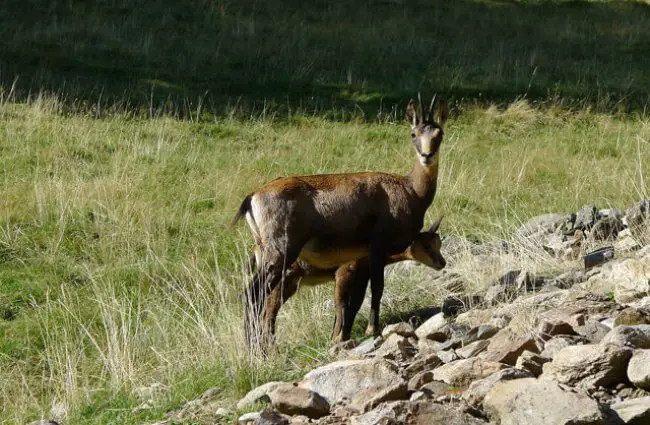
The chamois (Rupicapra rupicapra) belongs to the goat antelope subfamily and is characterized by its compact body, short legs, and distinctive hooked horns. These horns, present in both males and females, are ridged and curve backwards. Summer coats are typically reddish-brown, providing excellent camouflage against the rocky landscapes, while winter coats turn a darker, almost black hue. Chamois are remarkably adapted for life on steep slopes, possessing specialized hooves with rubbery soles and pads that provide exceptional grip.
A History Etched in Stone: Evolution and Origins
The evolutionary story of the chamois stretches back to the Pleistocene epoch. Fossil records suggest that the ancestors of modern chamois inhabited the mountainous regions of Europe long ago. Closely related to the serow and goral of Asia, the chamois likely diverged from these species over millions of years, adapting to the unique conditions of the European Alps and other mountain ranges. Genetic studies continue to refine our understanding of the species’ evolutionary relationships and population dynamics.
Where Do Chamois Live? Habitat and Distribution
Chamois are exclusively European mountain dwellers. Their primary habitat consists of steep, rocky slopes, cliffs, and forests at elevations ranging from 1,500 to 3,500 meters. They are commonly found in the Alps, Pyrenees, Carpathians, Balkans, and parts of Scandinavia. The availability of suitable rocky terrain, food sources, and shelter are critical factors determining chamois distribution. They prefer areas with sufficient vegetation for browsing, as well as cliffs and ledges for protection from predators.
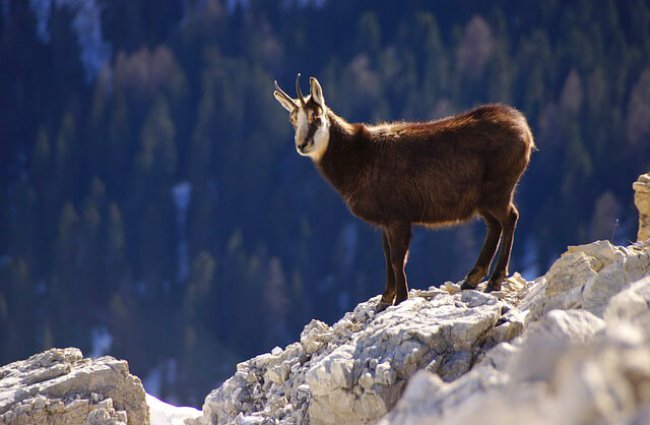
A Herbivore’s Diet: What Do Chamois Eat?
Chamois are herbivores, with their diet primarily consisting of grasses, herbs, leaves, buds, and twigs. They are selective browsers, choosing nutrient-rich plants whenever possible. During the summer months, they graze on lush alpine meadows, while in winter, they browse on woody vegetation found in forested areas. Chamois are known to consume a variety of plant species, demonstrating their adaptability to varying food availability. They also occasionally ingest mineral-rich soil to supplement their diet.
Life Cycle: Mating, Reproduction, and Growth
Chamois exhibit a fascinating mating system known as “rut.” In the fall, males engage in fierce competition for access to females. This involves displays of dominance, vocalizations, and ritualized fighting. Successful males establish temporary territories and mate with multiple females. Gestation lasts approximately six months, typically resulting in the birth of a single kid in late spring or early summer. Kids are remarkably agile from a young age, able to follow their mothers on steep slopes within days of birth. They are usually weaned by autumn and reach sexual maturity around two to three years of age. Chamois can live for 15 to 20 years in the wild.
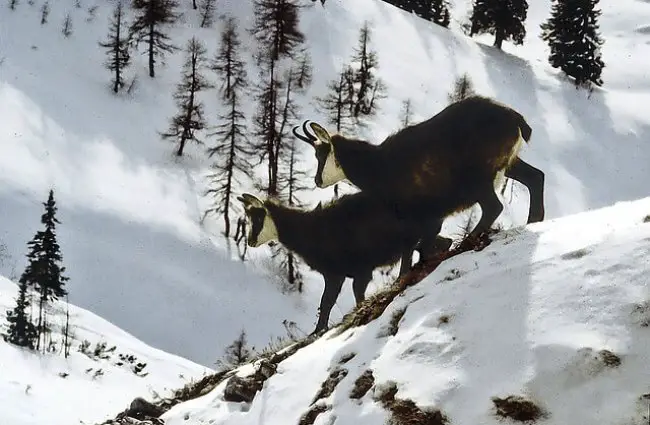
Chamois in the Ecosystem: Interactions with Other Species
Chamois play a vital role in their mountain ecosystems. As herbivores, they influence plant communities through browsing, shaping vegetation structure and composition. Their presence also affects the distribution of other animal species. Chamois serve as prey for large carnivores such as wolves, lynx, and eagles. They also compete with other herbivores, such as ibex and deer, for food resources. Their droppings contribute to nutrient cycling in the soil, benefiting plant growth. Chamois are often found in association with other ungulates, forming mixed herds that provide increased vigilance against predators.
Human History and Chamois: From Hunting to Conservation
Throughout history, humans have interacted with chamois in various ways. Historically, chamois were heavily hunted for their meat, hide, and horns. This led to significant declines in populations across much of their range. In the 20th and 21st centuries, conservation efforts have focused on protecting chamois populations through habitat preservation, hunting regulations, and population monitoring. Today, sustainable hunting practices, combined with habitat management, are helping to ensure the long term survival of this iconic mountain species. Chamois also hold cultural significance in many alpine regions, often featuring in local folklore and traditions.
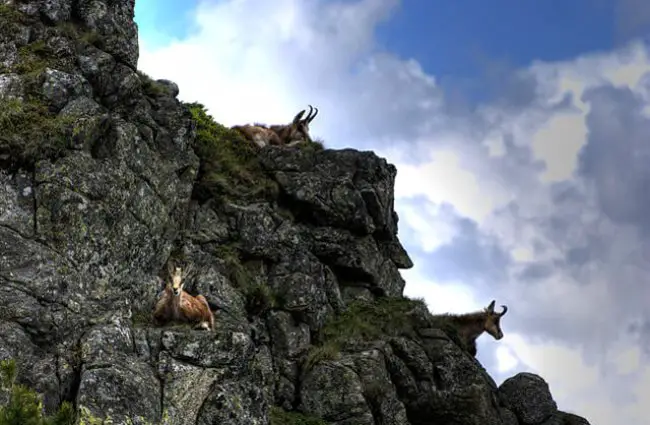
Encountering Chamois in the Wild: What to Do
If you are fortunate enough to encounter chamois in the wild, it is crucial to observe them from a respectful distance. Avoid approaching them directly, as this can cause stress and disrupt their natural behavior. Do not attempt to feed them, as this can alter their foraging habits and make them dependent on human food sources. Keep noise levels to a minimum and avoid sudden movements. If you are hiking with a dog, keep it on a leash to prevent it from harassing the chamois. Remember that chamois are wild animals and should be treated with caution and respect.
Chamois in Captivity: Care and Management
Chamois are rarely kept in zoos due to their specialized habitat requirements and challenging behavioral needs. However, if a zoo or wildlife sanctuary does house chamois, it is essential to provide a large, complex enclosure that mimics their natural mountain habitat. This should include steep slopes, rocky outcrops, and a variety of vegetation. A carefully formulated diet, consisting of high quality hay, browse, and supplemental nutrients, is crucial for maintaining their health. Regular veterinary care, including parasite control and disease prevention, is also essential. Enrichment activities, such as providing browse bundles and scent trails, can help stimulate their natural behaviors and prevent boredom.
Fun Facts About Chamois
- Chamois are incredibly agile climbers, capable of leaping several meters both upwards and downwards.
- Their hooves have a unique “split” design that provides exceptional grip on rocky surfaces.
- Chamois can adjust their coat color seasonally to provide better camouflage.
- They communicate with each other using a variety of vocalizations, including whistles, bleats, and growls.
- Chamois are crepuscular animals, meaning they are most active during dawn and dusk.
- They can survive in harsh alpine environments with limited food and shelter.
- Female chamois are known for their fierce maternal instincts, protecting their kids from predators.
The chamois, a symbol of wildness and resilience, continues to thrive in the rugged landscapes of Europe. Understanding its biology, behavior, and ecological role is crucial for ensuring its long term survival. By promoting conservation efforts and responsible interactions, we can help preserve this iconic mountain species for generations to come.
![Closeup of a beautiful Red Angus cowPhoto by: U.S. Department of Agriculture [pubic domain]https://creativecommons.org/licenses/by/2.0/](https://animals.net/wp-content/uploads/2020/03/Red-Angus-4-238x178.jpg "Red Angus")


![Closeup of a beautiful Red Angus cowPhoto by: U.S. Department of Agriculture [pubic domain]https://creativecommons.org/licenses/by/2.0/](https://animals.net/wp-content/uploads/2020/03/Red-Angus-4-100x75.jpg "Red Angus")


